
Why Are Social Media Accounts Vulnerable?
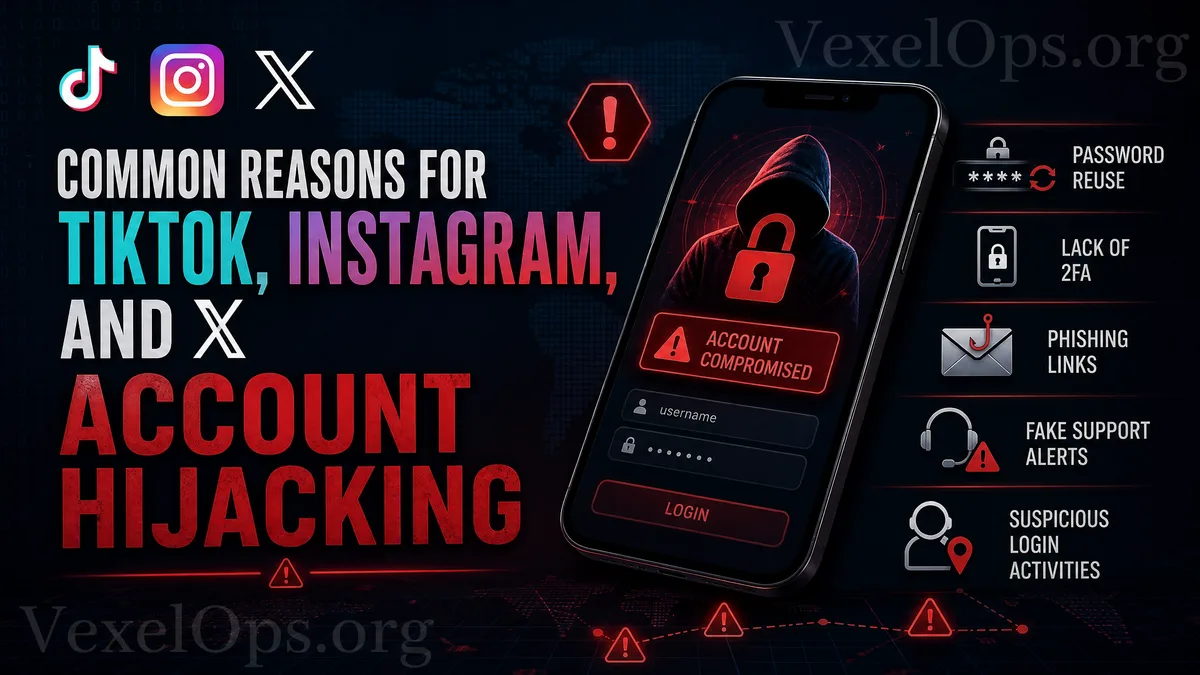
Platforms like TikTok, Instagram, and X are not just places to share content. Many everyday users store private messages, friendships, photos, videos, personal information, and even manage personal brands, business accounts, or customer contact points on these platforms. Therefore, if an account is hacked, the consequences may extend beyond just being unable to log in. Attackers might alter personal information, impersonate you to send scam messages, request money from friends, post suspicious links, or use your account to establish greater trust. Most account hacks do not occur because users encounter advanced technical attacks; rather, they happen because basic security habits are often neglected.
Reason 1: Using the Same Password Across Multiple Platforms
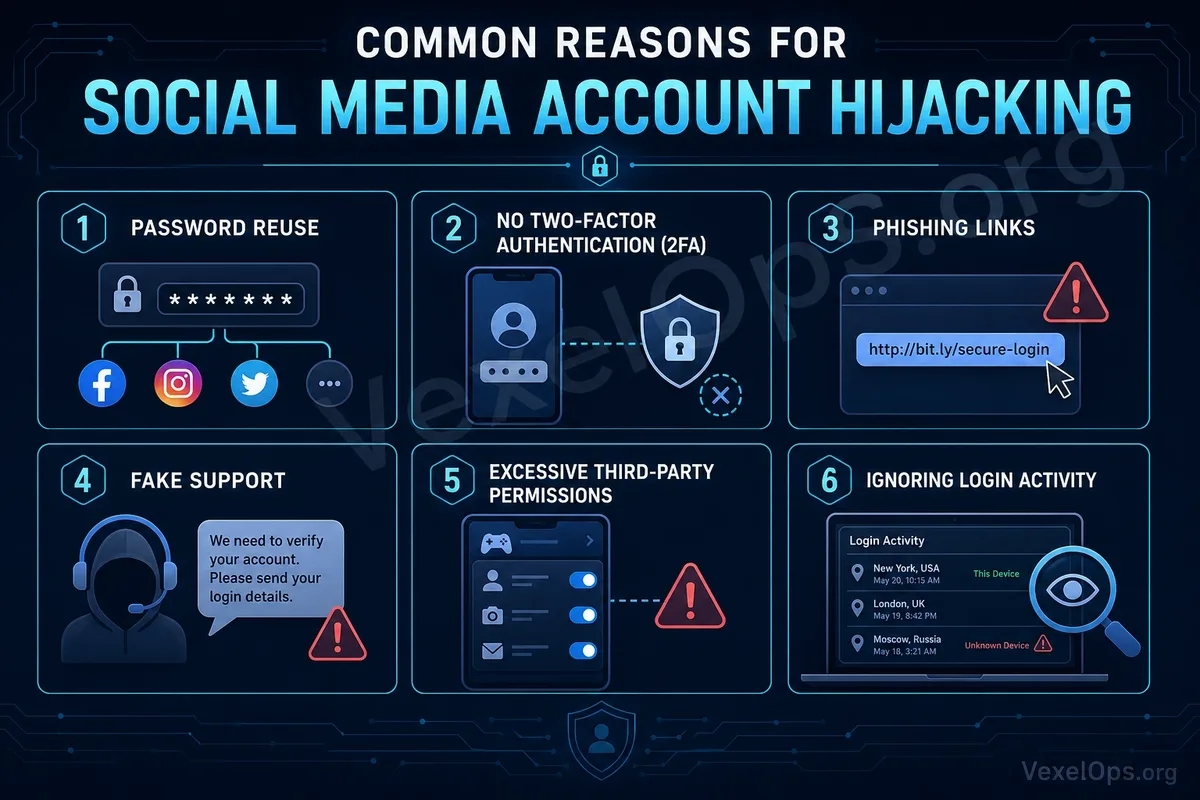
Password reuse is one of the most common risks for everyday users. Many people use the same password for their Email, Instagram, TikTok, X, shopping sites, and other services. Although this may be convenient, it poses a high risk. If a less important platform experiences a data breach, attackers might use the leaked Email and password to try logging into other platforms. As long as you use the same password in multiple places, other accounts may also be compromised. It is recommended that each important account has a unique password, especially for main Email, social platforms, and financial services. Passwords do not necessarily have to be memorized; trusted password management tools can help you store them securely.
Reason 2: Not Enabling Two-Factor Authentication
Two-factor authentication is a crucial line of defense against account hacks. If an account is only protected by a password, once that password is leaked, guessed, or obtained through phishing, the attacker might log in directly. With two-factor authentication enabled, you generally need a second layer of verification during login, such as an authenticator app, SMS verification code, backup codes, or a security key. This increases the difficulty of direct login to your account. For everyday users, it is advisable to enable two-factor authentication at least for main accounts like Email, Instagram, TikTok, and X. Once set up, also ensure to save backup codes appropriately to avoid issues when changing devices or losing access.
Reason 3: Clicking Phishing Links or Fake Login Pages
Another common reason for account hacks is clicking on phishing links. These links can originate from unfamiliar messages, fake customer support, fraudulent activities, or suspicious messages appearing to be from friends or platform notifications. Phishing pages usually mimic official login screens, prompting you to enter your account, password, and verification code. Once you provide that information, it may be directly captured by malicious actors. When encountering login notifications from platforms, do not access them through messages or unfamiliar links. A safer approach is to open the official app directly or manually type in the official website URL to check for any unusual notifications regarding your account.
Reason 4: Trusting Fake Customer Support and Safety Notifications
Fake customer support often uses urgent tones to compel you to act immediately, claiming that your account is about to be suspended, that there are content violations, that you need to verify something, or asking you to click links to resolve issues. These messages usually aim to get you to provide your account information, verification codes, or personal details while you're feeling anxious. Legitimate platform customer support typically does not request your password, two-factor authentication codes, or backup codes via private messages. If you receive such messages, you should pause any actions and return to the official app or website to verify, rather than blindly trusting the links and claims in the message.
Reason 5: Excessive Third-Party Authorizations
Many tools, websites, or events may ask you to log in using your social accounts or authorize access to certain data. While these functionalities can be convenient, authorizations from untrustworthy sources can increase risk. For example, certain giveaway websites, fan analytics tools, growth tracking tools, or external login services may require excessive permissions. If everyday users do not regularly check these, some services they no longer use may retain access rights long-term. It is advisable to regularly review third-party application authorizations across platforms and remove services that are unfamiliar, no longer in use, or from unknown sources.
Reason 6: Overlooking Login Activity and Recovery Information
Many platforms offer the ability to view recent login activity, devices used for login, or security notifications. If you haven’t checked in a while, you might miss early warning signs of suspicious activity. For instance, unfamiliar device logins, logins from unknown locations, sudden password reset notifications, or changes to your Email or phone number may indicate potential risks to your account. Besides checking login activity, you should also ensure that your account recovery information is accurate. Your Email and phone number should be ones you can still access, and your primary Email should also have two-factor authentication enabled.
How Can Everyday Users Reduce Risks?
Reducing the risk of social media account hacks doesn’t necessarily require sophisticated technical measures. You can start with a few basic habits: use different passwords for each platform, enable two-factor authentication, avoid logging in from unfamiliar links, never provide verification codes, regularly check login activity, remove suspicious third-party authorizations, and keep your recovery information accurate. If you discover any anomalies in your account, quickly change your password, log out of other devices, check two-factor authentication and recovery information, and confirm if there are any suspicious posts, messages, or authorizations. The core of platform security is not to guarantee that you will never face risks but to minimize the likelihood before risks arise and to respond more swiftly when abnormalities occur.