Account Theft Doesn't Usually Happen Suddenly

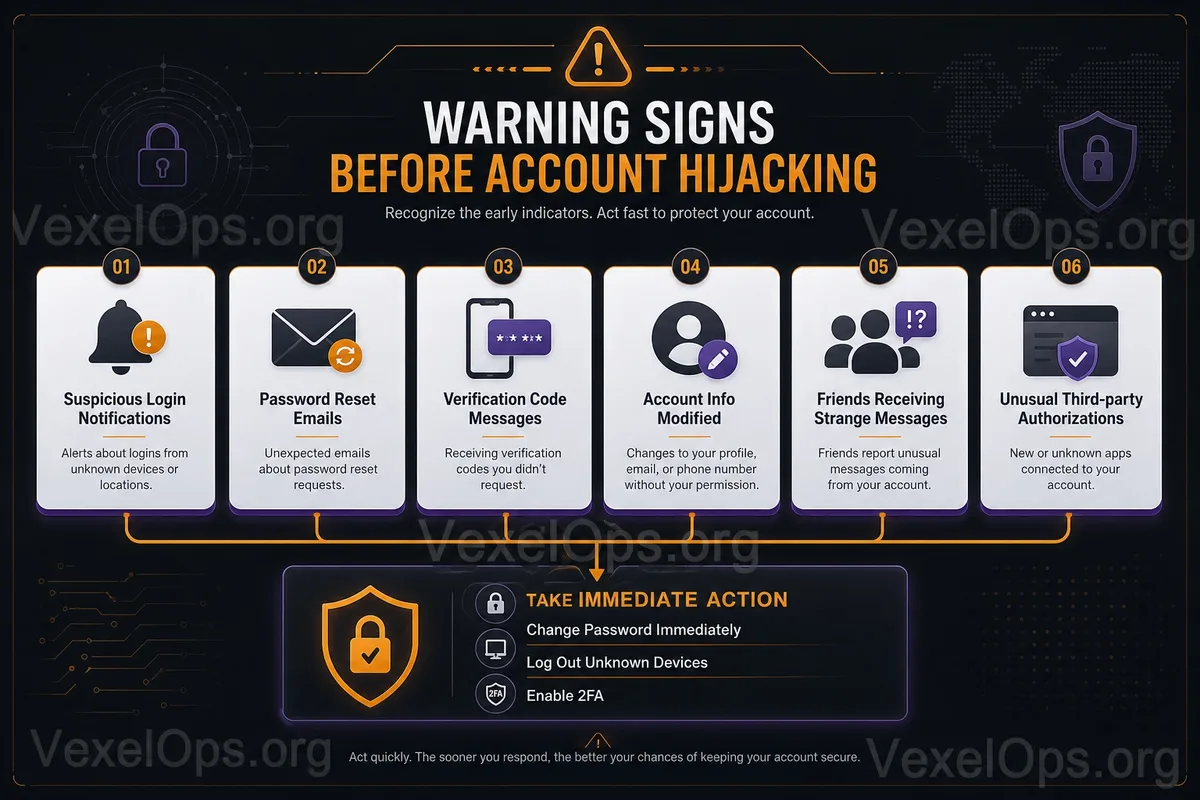
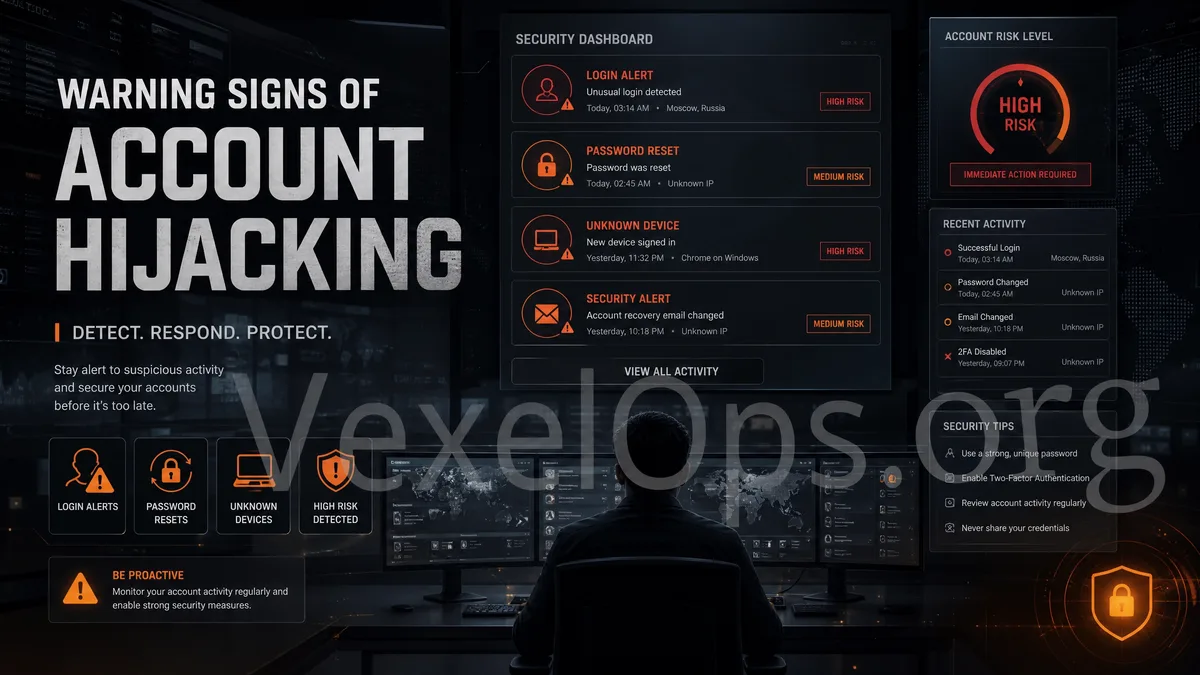
Many ordinary users believe that account theft just happens suddenly one day when they find themselves unable to log in. However, in reality, there are often early warning signs that appear before your account is completely compromised. For example, you might suddenly receive a password reset email, a platform alerts you about logins from unknown devices, friends might say you've sent them a strange link, or your account could have unfamiliar third-party authorizations. These seemingly isolated issues could signify that your account is already starting to face risks. The most important aspect of account security is not waiting until you can no longer log in to take action, but rather being vigilant when early alerts appear. The earlier you discover an issue, the more likely you are to retain control of your account.

Alert 1: Receiving Login Notifications Not Initiated by You

Many platforms send out emails or app notifications when they detect new devices, locations, or abnormal logins. If you receive such a notification but did not log in yourself, you should immediately check your account. Sometimes the login location may not be entirely accurate due to network or system detection, but if the device, time, browser, or region in the notification clearly does not match your usage patterns, it cannot be ignored. At this point, it is advisable to log in through the official app or website, check your login activity, log out of unknown devices, change your password, and verify if two-factor authentication is enabled.

Alert 2: Suddenly Receiving Password Reset or Verification Code Messages

If you receive password reset emails, verification code texts, or account confirmation notifications without initiating any actions, it may indicate that someone is attempting to log into or reset your account. The most common mistake ordinary users make is to see a verification code and treat it as just a system notification without checking further. More dangerously, some scammers will simultaneously send you private messages claiming to be customer service, asking you to provide them with the verification code you just received. Please remember: Never provide verification codes to anyone. If you are not in the process of logging in or resetting the password yourself, do not use that verification code and do not respond to requests from strangers.

Alert 3: Account Information Has Been Modified

If you notice changes to your account profile, username, bio, linked email, phone number, or recovery information, this is a very clear high-risk signal. After gaining access to an account, attackers typically modify recovery information first to make it harder for the original user to regain access. If you can still log in, you should immediately check all security settings, including your password, two-factor authentication, recovery email, phone number, and login devices. If you can no longer log in, you should immediately follow the official recovery process and keep relevant notifications and evidence.

Flowchart of warning signs of account theft, including suspicious login notifications, password reset emails, verification code messages, modified account information, strange mess

Alert 4: Friends Receive Strange Messages from Your Account

Sometimes you are still able to log into your account, but friends have already received strange messages sent from your account, such as investment invites, unknown links, requests for voting help, fake events, requests for money, or requests for verification codes. This indicates that your account may have already been accessed by someone else, or that a third-party authorization tool is misusing your account. Do not simply delete the messages and move on; you should immediately check your account security. It is advisable to inform your friends not to click on any links and then change your password, log out of all devices, remove unfamiliar third-party authorizations, and check for any suspicious posts, direct messages, or auto-forwarding behaviors.

Alert 5: Unrecognized Third-Party App Authorizations

Many platforms allow third-party apps or websites to connect to your account, such as analytics tools, scheduling tools, giveaway websites, or login services. These authorizations can pose a security risk if their origins are unknown. If you see unfamiliar authorizations or recognize a tool you haven't used for a long time, it's advisable to remove them immediately. Especially prioritize cleaning out those that were authorized via unknown links, requested excessive permissions, or seem untrustworthy. Third-party authorizations are often overlooked by ordinary users, but they can allow access to your account without your notice.

Alert 6: Seeing Strange Posts, Follows, or Activity Logs After Logging In

If your account suddenly starts following unknown accounts, liking unfamiliar content, posting strange posts, or joining suspicious groups, this may also indicate that your account is being misused. Some attackers do not immediately change the password; instead, they use your account to promote, scam, or spread links. This can lead your friends or followers to believe the content is genuinely from you, increasing the chances of others being deceived. Whenever you notice such abnormal activity, treat it as an account security incident and not just a case of deleting the content.

What Should You Do After Discovering These Alerts?

If you can still log into your account, it is recommended to address the situation in the following order: start by changing the password, log out of other devices, enable or re-set two-factor authentication, and then check recovery email, phone number, and third-party authorizations. At the same time, make sure your main email account is secure. Many accounts rely on email recovery, and if the email itself is compromised, accounts on other platforms may also be affected. If you can no longer log into your account, follow the official recovery process, and do not trust messages from strangers claiming to offer "quick account recovery" services. Such services can sometimes be scams themselves.

The Sooner You Address Early Alerts, the Less Damage Occurs

The risk of account theft cannot always be completely avoided, but ordinary users can use warning signals to reduce the likelihood of problems escalating. Suspicious login notifications, password reset emails, unknown devices, altered data, strange messages received by friends, and abnormal third-party authorizations are all signals that warrant attention. Do not wait until your account is completely locked out to begin taking action. The core principle of digital security is to detect and address anomalies early and quickly, and avoid sharing verification codes, passwords, or recovery information with anyone. By developing this habit of vigilance, you can significantly reduce the loss caused by account theft.