
What is OSINT?
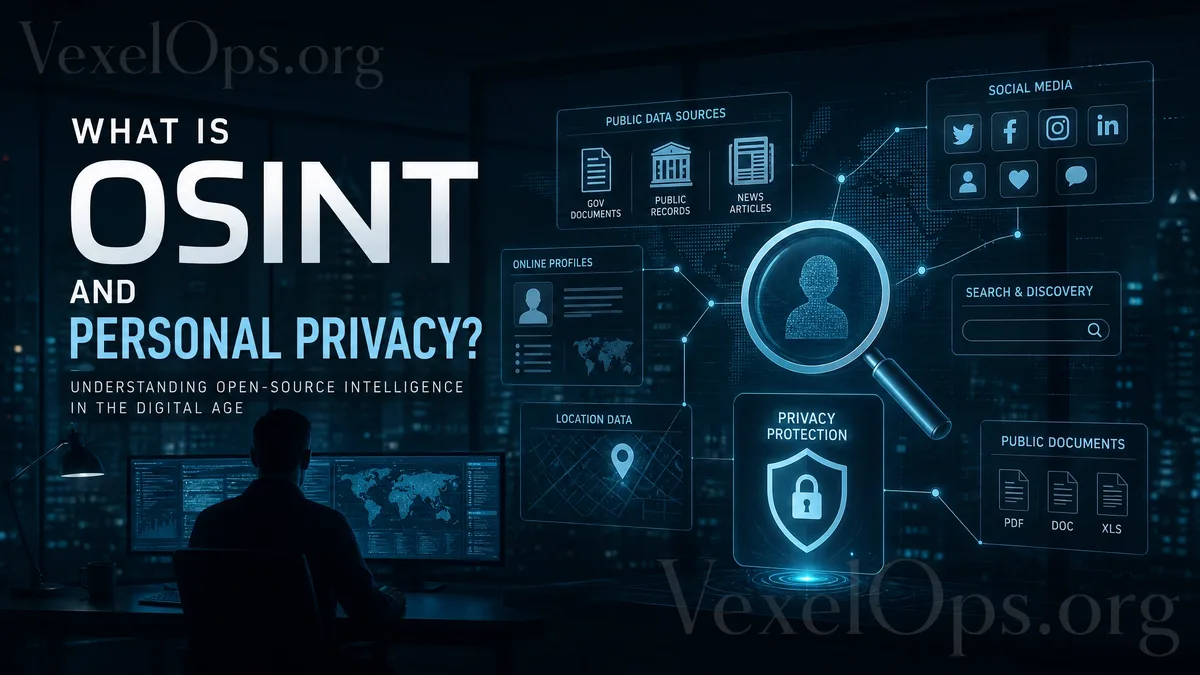
OSINT is an abbreviation for Open Source Intelligence. Simply put, it refers to the collection, analysis, and understanding of information from publicly available sources. Here, "public sources" don’t necessarily imply mysterious tools or advanced technologies. They may include public websites, news articles, social media content, publicly available company data, forum posts, image information, map data, public profile summaries, and any other data accessible to the general public. For everyday users, understanding the key point of OSINT is not about learning how to investigate others but rather comprehending that the information they publicize online might be easier to aggregate, connect, and analyze than they think.
Why is OSINT Relevant to Personal Privacy?
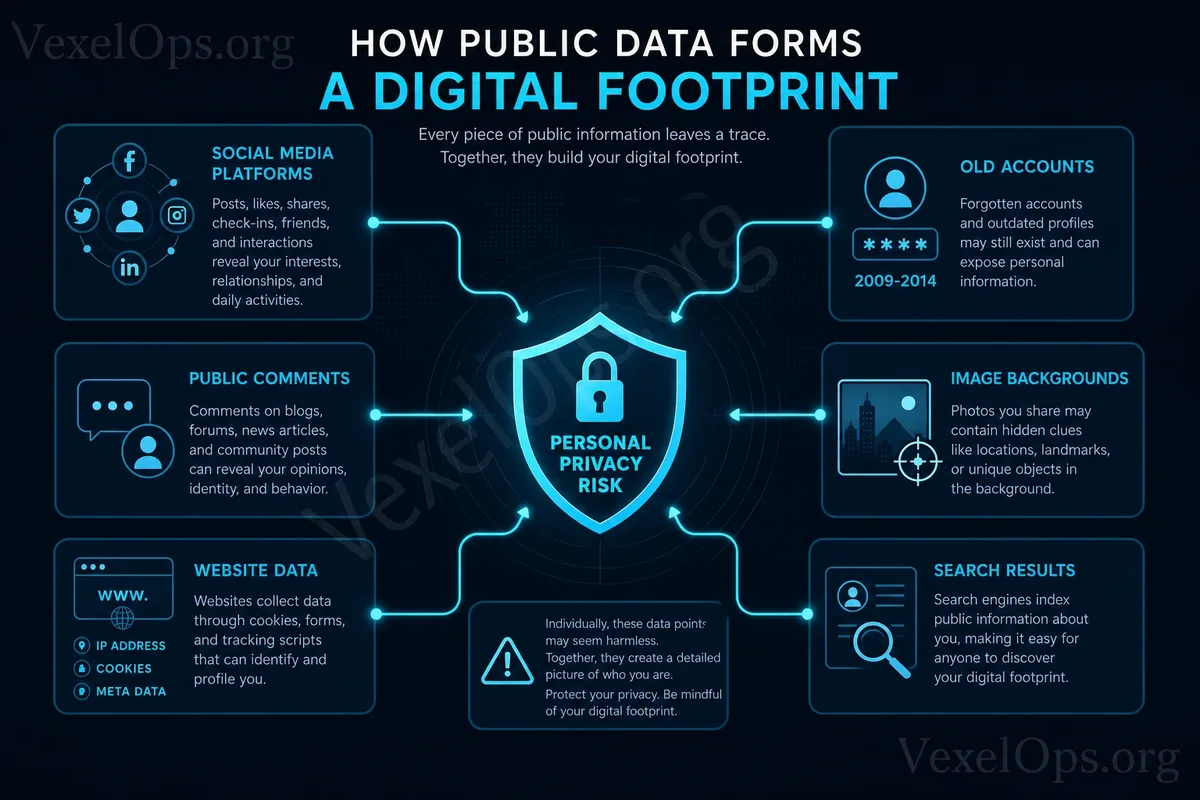
Many people believe that as long as they do not publicly share their ID, phone number, or address, they are not exposing personal data. However, the reality is that personal privacy risks often arise not from a single piece of sensitive information but from an amalgamation of many small bits of information. For instance, a person might publicly disclose their city on social media, reveal frequently visited shops in photos, mention their job type in articles, share hobbies in comments, and use a consistent nickname in their account name. While each piece of information may seem mundane on its own, collectively they could form a more comprehensive personal profile if aggregated over time. The concept of OSINT serves as a reminder that public data is not always harmless. When data can be searched, compared, and linked, common information can also become a privacy risk.
Common Sources of Public Data for Everyday Users
The most common places where everyday users publicly share their data are usually social media platforms. Personal profiles, photos, stories, public comments, friend interactions, check-in locations, and tagged content can all contribute to an online footprint. A second source is old accounts. Many individuals registered on forums, shopping websites, gaming platforms, blogs, or Q&A sites years ago and may have forgotten about them, but the data remains online. Some of these old accounts may still use real names, old email addresses, the same nicknames, or past personal photos. A third source is images and documents. Backgrounds in photos might inadvertently disclose addresses, license plates, company logos, school uniforms, package labels, boarding passes, screenshots of IDs, and other information that could reveal more details.
OSINT Is Not Just for Bad Purposes
OSINT itself is not an illegal concept nor does it necessarily have malicious intent. Open source intelligence can be used for news verification, brand monitoring, cybersecurity protection, risk analysis, fraud detection, corporate security assessments, and research work. For example, cybersecurity professionals might use public data to check whether companies inadvertently disclose system information; journalists might use public data to cross-verify events; and everyday users can assess whether a website, account, or investment platform is suspicious through public information. The issue lies not within the concept of OSINT itself, but rather in how the data is utilized. When publicly available information is used for harassment, fraud, impersonation, or invading the privacy of others, risks arise.
How Can Everyday Users Reduce Their Exposure Risks?
- Review your own public data on social media platforms. Check if your personal profile contains excessive identity information, and whether posts disclose your home area, workplace, frequently visited places, or family information.
- Reduce real-time location sharing. Avoid checking in immediately at a location, especially at home, school, work, hotels, or regular activity spots.
- Organize old accounts. If certain accounts are no longer in use, consider deleting, deactivating, or removing personal data. For active accounts, update passwords and enable two-factor authentication.
- Check backgrounds before posting images. Avoid revealing addresses, license plates, documents, package labels, IDs, screen content, or other potentially identifying and locational information.
- Do not use the exact same nickname and public data across different platforms for extended periods. Similar account names, avatars, and personal descriptions can make it easier to link data across various platforms.
No Need to Panic, But Stay Aware
Understanding OSINT is not to scare everyday users from going online nor is it to encourage you to stop sharing life experiences. What’s crucial is to cultivate an awareness: the information you publish could be saved, searched, shared, aggregated, and reinterpreted. You can continue to use social media and share life updates, but take an extra moment before posting: does this information expose my location, identity, habits, or private relationships? If strangers see it, could they deduce more than I'd like to reveal? Digital privacy is not about disappearing completely from the online space but rather managing the information you choose to share more selectively.
The OSINT Concept Can Help You Protect Yourself Better
For everyday users, the most valuable lesson from OSINT is its reminder to pay attention to the cumulative effect of public data. Many privacy risks do not occur all at once but build up over time through the ongoing revelation of information. If you regularly review social data, manage old accounts, reduce excessive public sharing, check image backgrounds, and remain vigilant against unfamiliar messages and suspicious platforms, you can significantly lower unnecessary data exposure risks. Digital security is not just about preventing account theft but also involves understanding how your data is perceived online. Comprehending OSINT is a crucial step for everyday users in building their digital privacy awareness.