Social Sharing is Convenient, but Not All Information is Suitable for Public Disclosure
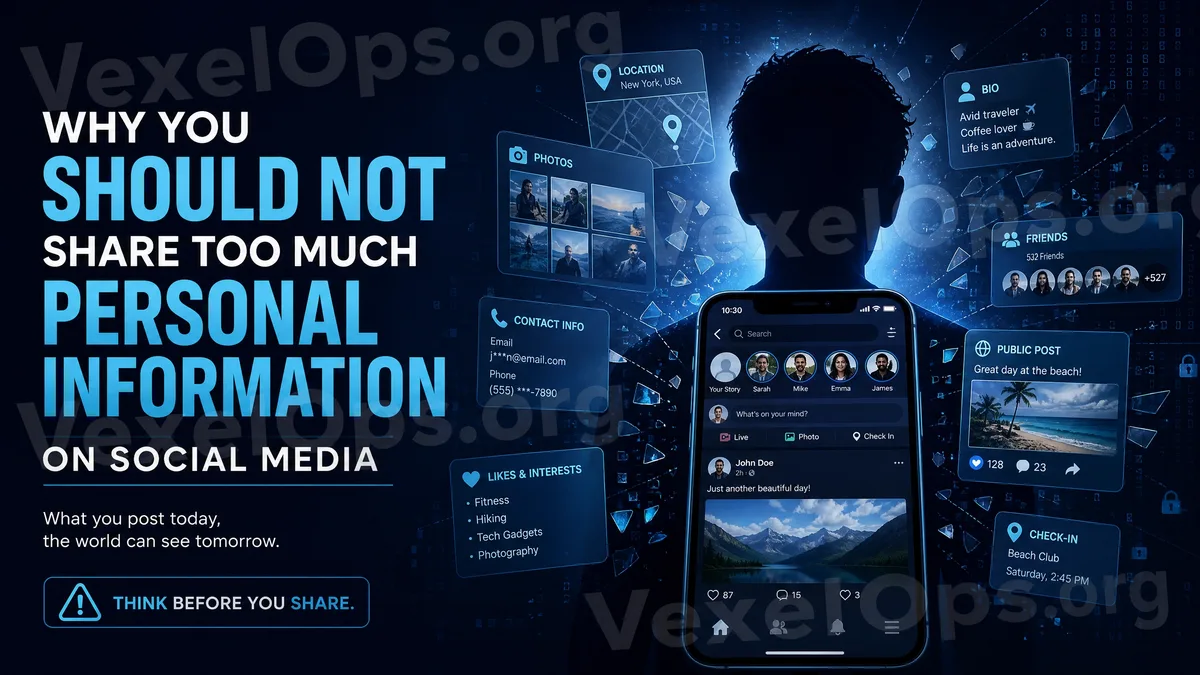
Social platforms have become a part of many people's daily lives. Whether it's Instagram, Facebook, TikTok, X, or other social and messaging platforms, ordinary users are accustomed to sharing photos, life statuses, travel records, work updates, interactions with friends, and personal thoughts. Sharing itself is not the problem. What needs attention is that some information seems ordinary, but once made public, it can be observed, organized, and utilized by strangers over time. You might only be sharing a photo, a story, or a post, but it could include location, lifestyle habits, interpersonal relationships, work information, or even account recovery clues. The key to digital privacy is not to completely stop sharing, but to know which information should not be public and which content should have restricted visibility.
Risk One: Location and Lifestyle Patterns can be Inferred
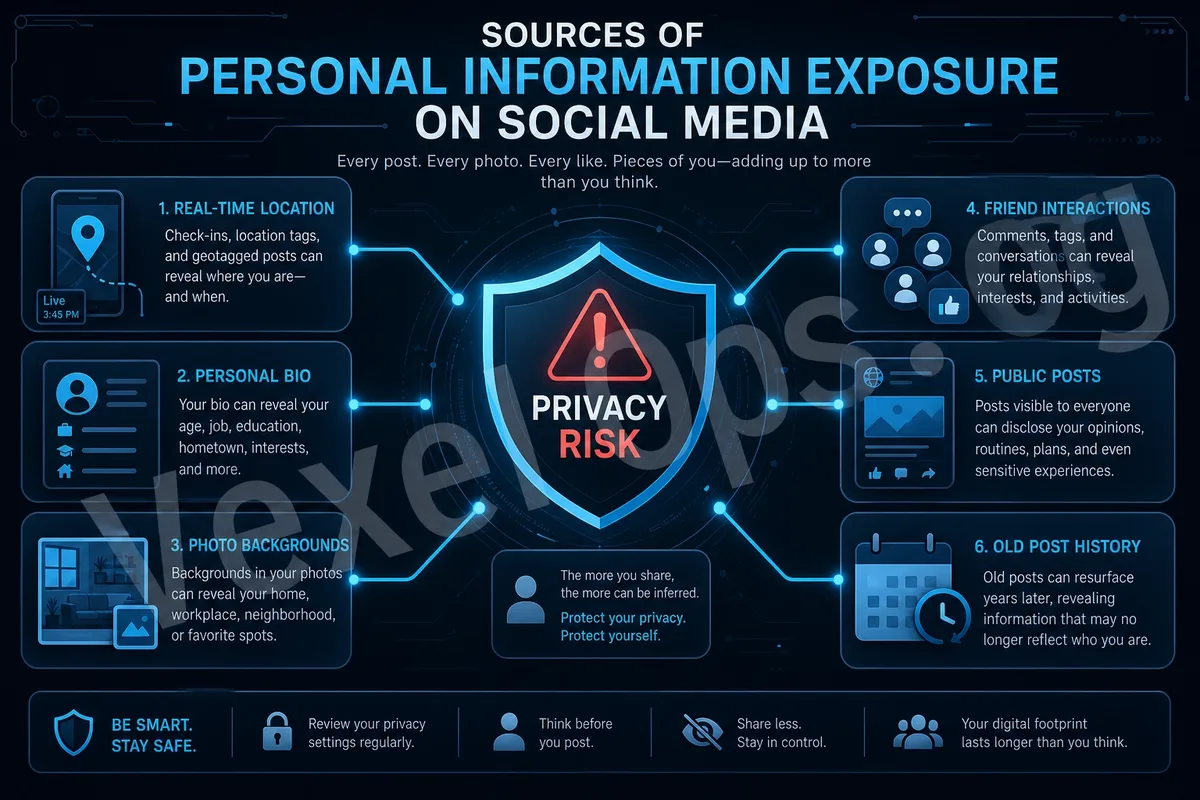
Many people check-in, share travel locations, frequent restaurants, gyms, or their neighborhood near home and work on social platforms. These pieces of information may not seem sensitive when viewed alone, but if accumulated over time, they can allow strangers to infer your daily route and habits. For example, if you frequently post at specific times, with backgrounds that repeatedly show the same locations, others might deduce where you live, where you work, when you’re not home, or who you often meet with. It’s advisable to avoid publicly disclosing your exact location, especially home, school, workplace, hotel, or other fixed activity spots. If you want to share about a trip or activity, consider posting only after you’ve left that location to reduce immediate exposure risks.
Risk Two: Identity Information can be Pieced Together
Many ordinary users believe that as long as they don’t directly disclose their ID number, complete address, or phone number, they are not exposing personal data. However, identity risks often come from piecing together multiple small pieces of information. For instance, your real name, birthday, school, company, city, common nicknames, profile pictures, interactions with friends, family names, past posts, and public comments can all contribute to the puzzle. This information can be used to guess password hints, answer account recovery questions, impersonate you, or make fraudulent messages seem more credible. If someone knows your friends, work, or lifestyle background, it becomes easier for them to craft messages that appear genuine.
Risk Three: Photo Backgrounds may Expose Sensitive Information
Photo backgrounds on social media are often neglected. You might be sharing a cup of coffee, a desktop picture, or a video of your life, but the background might reveal package addresses, license plates, door numbers, company documents, student IDs, screen contents, boarding passes, bills, or other sensitive information. Once this information is made public, it can be screenshot, saved, or forwarded. Even if you delete the post later, it may not mean the information has completely vanished. Before posting photos, it’s recommended to zoom in and check the background. Pay special attention to the content around desks, inside cars, by doors, on packages, documents, screens, and files. If there’s information you don’t want to disclose, consider cropping, blurring, or simply not posting it.
Risk Four: Excessive Disclosure Increases Fraud Precision
Fraud messages sometimes appear genuine because they might use information you have made public. The more life information you share, the easier it is for fraudsters to craft credible narratives. For example, they might pretend to know your friends, mention places you’ve been, mimic your interests, or use your disclosed work background to send relevant scam messages. This method doesn’t necessarily require advanced skills; collecting public data is enough to make the messages appear more credible. Therefore, ordinary users should avoid sharing every detail of their lives with strangers. Particularly sensitive information such as financial status, work details, family members, daily schedules, and contact methods should be handled with caution.
Risk Five: Account Security May be Compromised
Oversharing personal information can also affect account security. Some platforms’ account recovery processes may use email, phone number, birthday, previous passwords, friendship relations, or other identity clues. If this information is too easily found online, the risk to your account can increase. Furthermore, many people use birthdays, pet names, family names, school names, or common nicknames as part of their passwords. If this information is publicly available on social platforms, it becomes easier to guess passwords. Protecting account security is not just about setting complex passwords; it also involves reducing the personal clues available to outsiders.
What Can Ordinary Users Do?
- Check personal profiles. Avoid revealing too much identity information, such as complete birthdays, private phone numbers, home areas, work details, or other unnecessary public data.
- Adjust the visibility range of posts. Not all content needs to be open to everyone. Life photos, family information, daily schedules, and private activities can be restricted to friends or specific people.
- Reduce real-time check-ins. Avoid publicly disclosing your location while still at a spot, especially home, workplace, school, hotel, or fixed itineraries.
- Check backgrounds before posting photos. Ensure there are no addresses, license plates, documents, ID cards, screen content, or other sensitive information in the frame.
- Regularly search for yourself. You can search using your name, common nicknames, or public account names to see what information strangers can find and delete or modify it as necessary.
Think Twice Before Sharing
The value of social platforms lies in communication and sharing, but sharing does not mean giving up privacy. For ordinary users, the most practical approach is not to stop posting completely, but to think twice before sharing: Does this content reveal my location? Does it expose my identity? Does it allow strangers to better understand my daily patterns? Could it be used for fraud or account recovery risks? If the answers make you uncomfortable, you might choose to delay posting, restrict visibility, blur sensitive information, or simply not make it public. Digital privacy isn’t something that’s set once and for all; it’s a daily habit. By managing the information you share more consciously, you can reduce the privacy exposure and security risks brought by social platforms.