
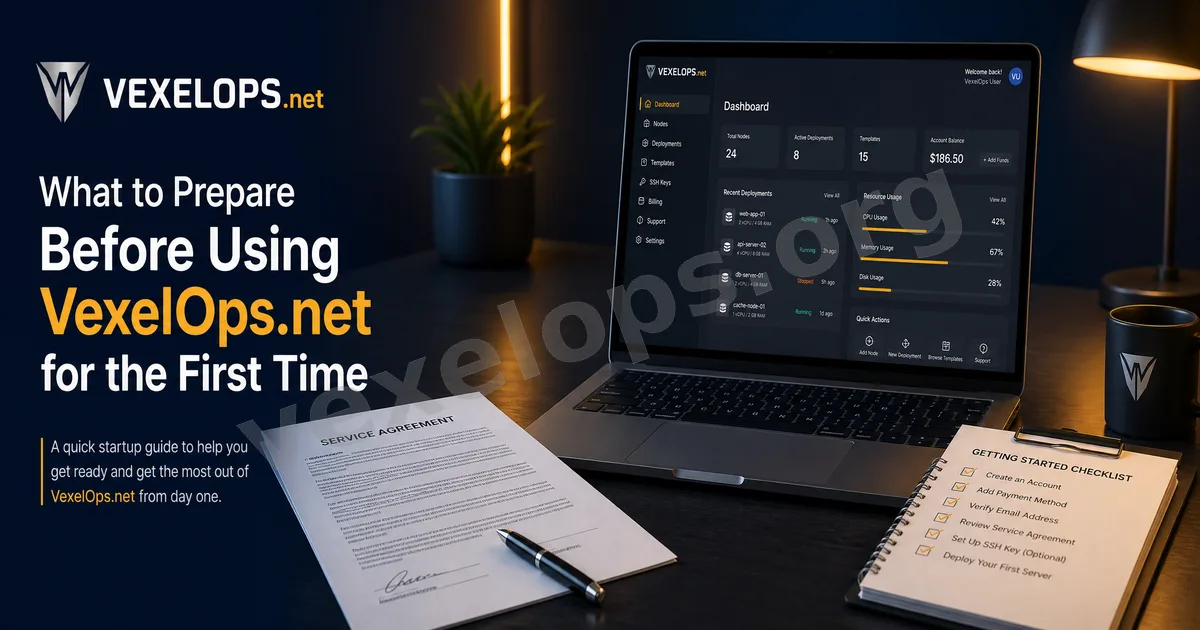
For First-Time Users of VexelOps.net, the Most Important Thing is to Organize the Situation
When users encounter anomalies with Instagram, Facebook, Google, Telegram, WhatsApp, or LINE accounts, or face fake customer service, phishing links, USDT transfer risks, or cryptocurrency scams, they often panic at first. Many people want to resolve the issue immediately, but the truly effective first step is to clarify the situation. The design of the VexelOps.net self-commission platform aims to allow users to submit the problem background, platform information, screenshots, timelines, and relevant clues according to a process, rather than describing everything in a scattered manner in chats. This makes the entire service entry clearer and facilitates subsequent assistance.
Q1: Do I need to know what type of problem I have?
No, you don’t need to know completely. Many users may not initially understand whether their issue is account theft, account suspension, phishing link risk, data leakage, or platform recovery problems. This is normal. You only need to describe the situation you’re currently observing, for example:
- Is Instagram inaccessible?
- Have you received unusual notifications from Facebook?
- Has Google/Gmail been accessed from unknown devices?
- Has Telegram or WhatsApp been impersonated?
- Have you clicked on any suspicious links?
- Have you entered your account, password or verification code?
- Are there records of USDT, Bitcoin, or Ethereum transfers?
The focus of the VexelOps.net process is to help users organize background problems into discernible information, without asking them to understand all the technical details from the outset.
Q2: What information should I prepare before submitting a commission?
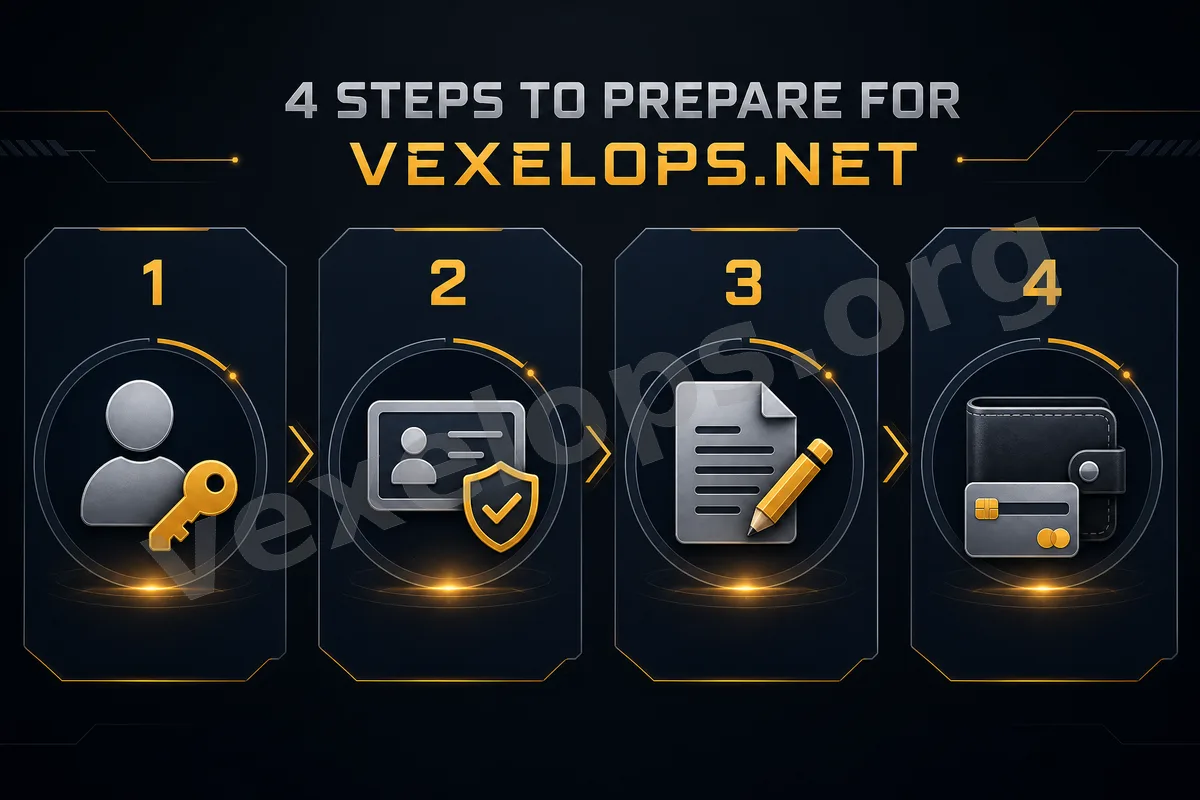
The most useful information typically falls into several categories. First is the platform name. For example Instagram, Facebook, Google, Gmail, Telegram, WhatsApp, LINE, PayPal, MetaMask, Trust Wallet, etc. Second is the current status of the account. For example whether you can still log in, if the email has been changed, if the mobile number is normal, if you have received security notifications, or if friends have received suspicious messages. Third is the event timeline. For example when you received the message, when you clicked the link, when you discovered the account anomaly, and when you made transactions or submitted information. Fourth is screenshots or records, such as fake customer service messages, phishing pages, platform notifications, transaction records, suspicious URLs, or information about the other party's account. This information can help subsequent services to understand the problem more quickly, eliminating repetitive guesswork.
Q3: Do I need to provide passwords or verification codes?
Under normal circumstances, no. VexelOps values privacy and the principle of necessary information. Users generally should not provide account passwords, SMS verification codes, two-factor authentication codes, backup codes, Google Authenticator dynamic codes, wallet private keys, or mnemonic phrases. If you have previously entered any of this data, you can describe "whether you have ever entered it" in your commission but do not need to provide the full content. For example, you could write: "I entered my Instagram password on a suspicious page." "I provided the Telegram verification code to someone." "I authorized a wallet connection." This is sufficient to help assess the risk; typically, there is no need to submit sensitive content itself.
Q4: What should I prepare if it's a cryptocurrency scam?
If it involves USDT, Bitcoin, Ethereum, TRON, BNB Chain, or other cryptocurrencies, the most important information is transaction records. You should prepare: Transaction Hash, Sending wallet address, Receiving wallet address, Type and network of the currency, e.g. USDT TRC20, USDT ERC20, BTC, ETH, Transfer time, Transfer amount, Links to Etherscan, Tronscan, or other block explorers, The payment address provided by the other party, Chat records and platform URLs. This information will assist in clearly viewing on-chain records and the event context.
Q5: If I only have screenshots and not complete data, can I submit them?
Yes. Many users may not save all data completely when an event occurs; they might only have a few screenshots, some chat records, partial URLs, or platform prompts. This information is still helpful. The self-commission process at VexelOps.net can initially accept a basic description of the problem and then organize any additional information needed based on the situation. Even if you are unsure which data is useful, you can submit what you currently have. Establishing the event context is more valuable than submitting nothing.
Q6: Why is submitting through the platform clearer than direct messaging?
While direct messaging is convenient, information can become scattered. Users might send screenshots, URLs, problem descriptions, transaction records, and supplementary explanations at different times, making it more chaotic to organize afterward. The advantage of VexelOps.net is that it centralizes the submission process. Users can follow platform guidance to place problem backgrounds, platform names, timelines, and necessary evidence into the same process. This has several benefits: Information is more centralized, Issues are easier to understand, Subsequent services have better direction, Reduces repetitive supplementation, Avoids sending excessive unnecessary information at the beginning. For ordinary users, this platformized process can alleviate anxiety and make the overall service experience clearer.
Q7: What if I'm unsure which service direction to choose?
You can initially choose based on the situation that is closest. For example: If you can’t log in to your account, you can lean toward account security or account recovery. If you received fake customer service or phishing links, you might lean toward fraud and risk identification. If it involves USDT or blockchain transfers, you can focus on cryptocurrency tracking and on-chain risk. If the platform is restricted, frozen, or requires an appeal, you can direct it toward platform security assistance. If unsure, you can clearly explain the current status in your description. The focus of the VexelOps process is not to have users select perfectly at first, but to organize the information.
VexelOps.net Makes Digital Safety Commission More Orderly
When users first encounter digital safety issues, what they usually lack is not information but a clear way to organize it. The VexelOps.net self-commission platform is designed to provide a more stable, private, and understandable submission entrance for users when problems arise such as account theft, platform anomalies, fake customer service, phishing links, cryptocurrency scams, or data leakage risks. You can start by understanding the overall service direction at VexelOps.org: VexelOps.org: https://vexelops.org/ If you already have specific needs, you can submit issues through the VexelOps.net self-commission platform. For further contact, you can also reach out via Telegram: Telegram: @vexelops The goal of VexelOps is to help ordinary users organize complex digital safety issues into clearer processes. When problems arise, just ensure that the situation, timeline, and evidence are organized, and subsequent services will have more direction.