
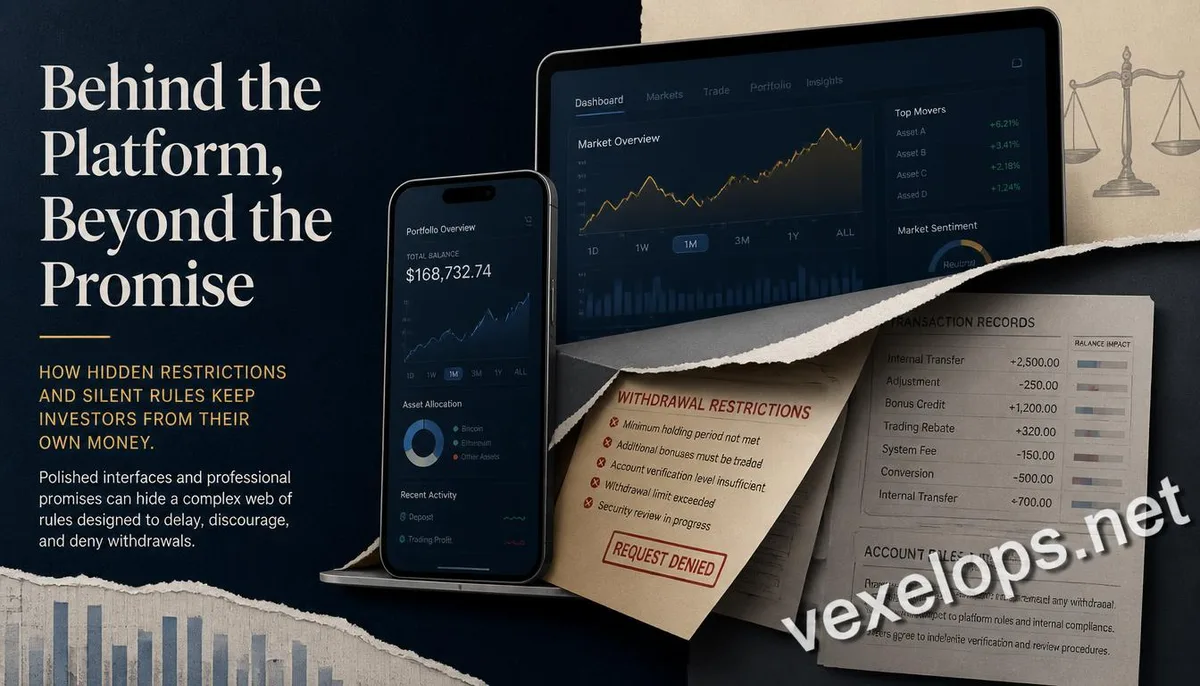
Many people may believe that fake cryptocurrency exchanges should be easy to identify, perhaps due to a rough interface, strange URLs, unnatural customer service, or just not appearing like a legitimate financial platform. However, scammers have increasingly crafted their platforms to appear very professional, often providing login systems, real-time market data, asset charts, trading records, and online customer service, making it difficult for users to suspect anything at first. Even more dangerously, scammers don't always require you to invest large amounts of money right away. They often build trust first, show you seemingly legitimate investment results, and eventually leverage the withdrawal process to turn that trust into further payments. The FBI has noted that these cryptocurrency investment scams may operate through fraudulent websites or apps displaying phony returns, encouraging victims to continue investing more funds until they are asked for additional fees or taxes at the time of withdrawal.
A seemingly normal website may be creating false trust from the very beginning.
The first issue fake exchanges need to address isn't how to get your money, but how to convince you they are a legitimate trading platform. As a result, scammers may reach out to users through social media, WhatsApp, Telegram, dating platforms, or other channels, then direct you to a trading site that appears very professional. The FTC also warns that some cryptocurrency investment scams may use social platforms to contact victims and divert them to investment sites that look real but are actually controlled by the scammers. The website itself may deliberately include many trust-building elements, such as a complete member center, real-time pricing, profit curves, customer service entry points, and security certification icons, even using names or domains similar to well-known trading platforms. The FBI also cautions that scam platforms may use domains that mimic those of legitimate financial institutions, using very subtle spelling differences to led users to believe they are entering the official website. Thus, seeing HTTPS, a padlock icon, or a nice trading interface doesn't necessarily prove a platform is genuine. What truly needs to be verified is the identity of the
- The official company name and location
- Official website and official social media accounts
- Domain name matches official information
- Existence of credible user reviews on external sites
- Presence of extensive information about scams, withdrawals, or complaints
The FTC also recommends searching for the company or cryptocurrency name, paired with keywords like review, scam, complaint, etc., before investing.
Customer service and fake returns: How do they get victims to invest more?
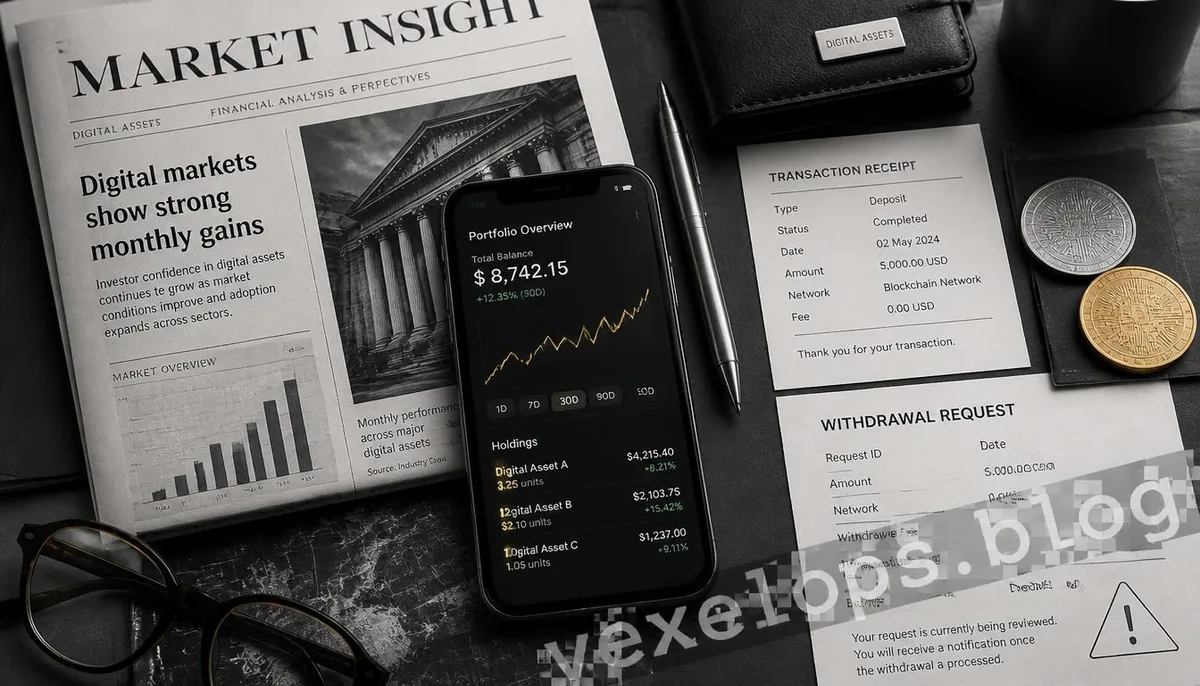
Many people truly begin to believe in fake exchanges because the customer service appears too normal. When you ask how to deposit, trade, or withdraw, the customer service can respond quickly, even proactively teaching you how to use the platform; if you see returns increasing in your account, they may further indicate that market opportunities are great, encouraging you to increase your investment amount. This continued interaction allows users to gradually view customer service as a genuine investment advisor rather than just a stranger who first contacted them. The returns shown in your account further reinforce this illusion. For example, if you invest $5,000 and a few days later the platform shows your assets have risen to $7,000, even displaying detailed profit curves and trading records, you'll naturally believe the investment is successful. However, the numbers displayed in the platform's backend do not equal the assets you truly control. The FBI has warned about this type of scheme where scammers can show victims fake profits to encourage them to invest more funds. It's even easier to let one's guard down when some scam platforms allow early small withdrawals. This step
Why do real traps often appear during withdrawal?
When users are about to withdraw larger amounts of money, fake exchanges may suddenly tell you there are issues with your account. The reasons may involve needing to complete KYC or AML verification or needing to pay taxes, withdrawal fees, deposits, or account verification fees. These terms sound professional, leading victims to assume that this is a normal financial procedure rather than being part of a scam. What needs to be truly noted is whether the platform is making additional payments a prerequisite for retrieving your original funds. FBI data indicates that a common final stage in fake investment platforms is suddenly requiring payment of taxes or fees at the moment of withdrawal; even if victims do pay, they may still be unable to access the funds displayed in their account. At this point, the sunk cost fallacy is likely to emerge. When the account shows $30,000, and customer service only asks for an additional $3,000 payment, you may think you just need to complete this final step to get all your funds back. However, after making the payment, the platform might then impose new fees, transitioning you from a single payment to continuous payments, leading to
What information should I keep if I suspect a scam exchange?
If you already suspect there is an issue with a platform, do not rush to delete your account or clear your chat records. Many victims, upon discovering they have been scammed, may only want to close their accounts, but this could result in lacking important materials for future case organization. The best approach is to fully save the website, transaction, and contact records before deciding on the next steps. Especially with cryptocurrency transactions, blockchains usually leave behind transaction-related information, so saving transaction hashes, wallet addresses, transaction time, and amounts is worthwhile. The FBI suggests that when reporting cryptocurrency investment scams, victims should provide any available transaction data, contact details, websites, apps, and relevant screenshots, as this information is helpful for understanding the case going forward. You can organize your documents in the following order:
- First, save the complete website URL and platform name.
- Then save the account balance, transaction records, and withdrawal pages.
- Next, organize customer service, Email, Telegram, or WhatsApp conversations.
- Save banking, credit card, or other payment records.
- If you use cryptocurrency transfers, save transaction hashes and recipient wallet addresses.
- Finally, compile dates, times, and amounts for each payment.
These records may not appear significantly valuable individually, but together they can create a more cohesive timeline of events. For subsequent reports to exchanges, payment institutions, or law enforcement, this is often more valuable than merely providing a single payment screenshot. If you need to clarify the context of the website, transaction records, wallet addresses, and conversation materials, VexelOps can assist with information organization and technical analysis to help you better understand the data and clues at hand. However, any private services should not be misconstrued as guaranteeing the recovery of funds.
Common Questions About Fake Cryptocurrency Exchanges
Can a website that looks very professional still be fake?
Yes, and this is one of the most common ways fake exchanges confuse users. Scammers can establish very complete trading interfaces, adding real-time market data, asset balances, profit curves, customer service centers, and login verifications, making the website appear not much different from genuine financial platforms. FBI data also notes that fake investment platforms may exhibit professional website designs and seemingly complete investment functionalities. Thus, judgments about authenticity should not be based solely on website appearance. A more reliable method is to confirm the company name and URL from official sources, then search for external reviews and complaints. If the platform is recommended by strangers, avoid using any login links they provide, and instead find the official entry yourself.
Why do they suddenly ask for taxes or fees during withdrawal?
Because withdrawal is the stage where scammers can most easily exploit victim psychology. When users see a substantial profit in their accounts, they often believe that only one last step is necessary to retrieve their money, making them more susceptible to additional payment requests. The issue is, after paying the initial fee, the platform may continue to impose new requirements. The FBI lists demanding taxes or fees at the time of withdrawal as a typical red flag and explicitly advises victims who have already invested funds not to make further payments to "unlock" their funds.
If I have already been scammed by a fake exchange, is there anything I can do?
Yes, and the first step is usually to stop making additional payments and save all evidence. Do not continue to pay a so-called last fee just because your account still shows a large amount of assets; also, don’t give more money to strangers out of fear of losing what you have already invested. Be cautious about second attempts to recover funds. The FBI has warned that some so-called cryptocurrency recovery services may initiate contact with victims, claiming they can recover lost funds, then demand upfront fees or more money. If you’ve been scammed, gather transaction hashes, wallet addresses, websites, payment records, and dialogue content, and seek formal assistance from law enforcement or relevant platforms in your area. While there is no guarantee of recovery, it doesn’t mean you should abandon hope after being victimized.
One Key Takeaway: The real danger of fake exchanges is making fake returns appear credible and then using withdrawal fees to continue extracting funds; once irregularities are noticed, stop payments and keep complete evidence.