
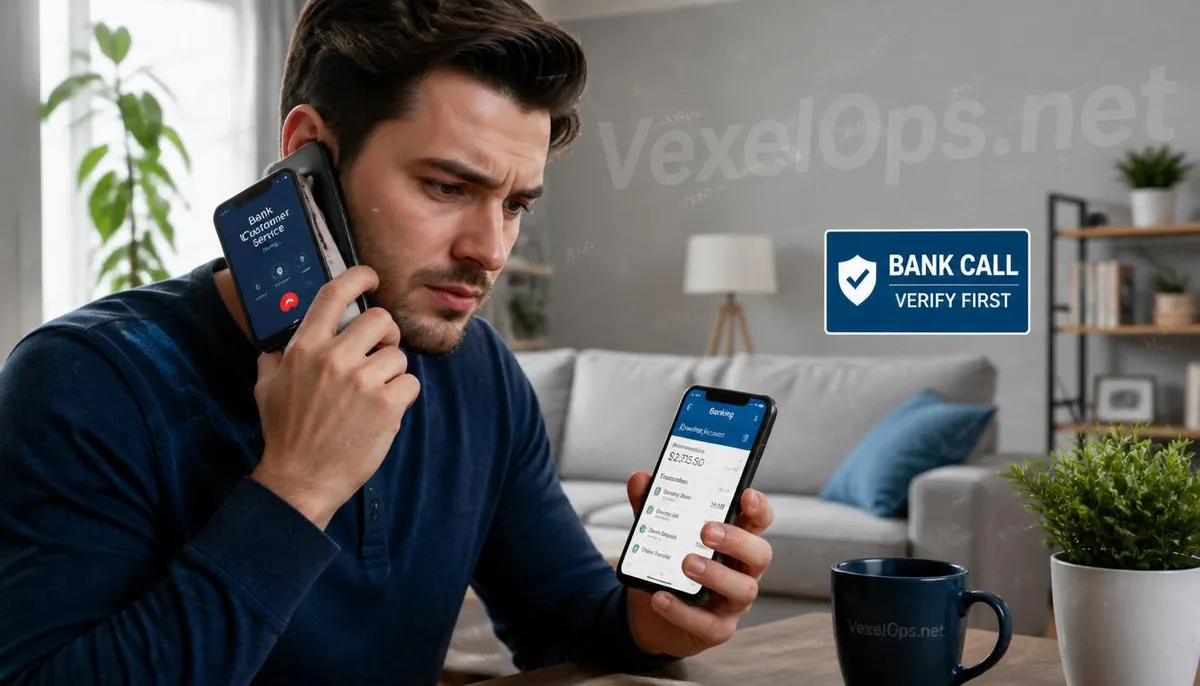
A single phone call can disrupt an otherwise calm day.
"Hello, we are from the bank's customer service center. There has just been an unusual transaction on your credit card; may I ask if it was you?" When such a message comes through the line, many people's first reaction is to worry about whether their account actually has an issue. The caller often sounds professional, has complete information, and can even correctly state your name, making it easy to believe this is a legitimate call from the bank. Because the situation seems urgent, many people, without pausing to think, begin to follow the caller's instructions. What requires attention is often not the call itself but what the caller demands you do next.
Real banks usually won't ask you to complete these operations immediately.
Indeed, banks may proactively contact customers to confirm unusual transactions, but they typically have a set process for handling such situations. If the caller starts asking for your full online banking password, OTP verification code, security code of your credit card, or even requests you to download a specific app or use an ATM, it is advisable to pause for a moment and spend a few minutes verifying this. In such cases, the most direct method is often not to continue the call but to dial the bank's official customer service number yourself to confirm the current status of your account through publicly available contact methods. Taking the extra step to verify is often more important than rushing to resolve the situation.
Scam techniques are continuously evolving, but the psychological manipulation remains similar.
In recent years, many phone scams have become harder to identify than before. Some use caller ID technology to appear as if they are a bank representative; others intentionally create a sense of urgency, constantly emphasizing, "If you don't act now, you'll incur charges" or "Your account will be frozen soon." The common goal of these scripts is to make users act without the time to think, directly complying under pressure. Thus, rather than memorizing every type of scam content, it is more crucial to develop a habit: whenever it relates to account security or financial transactions, always verify through official channels first.
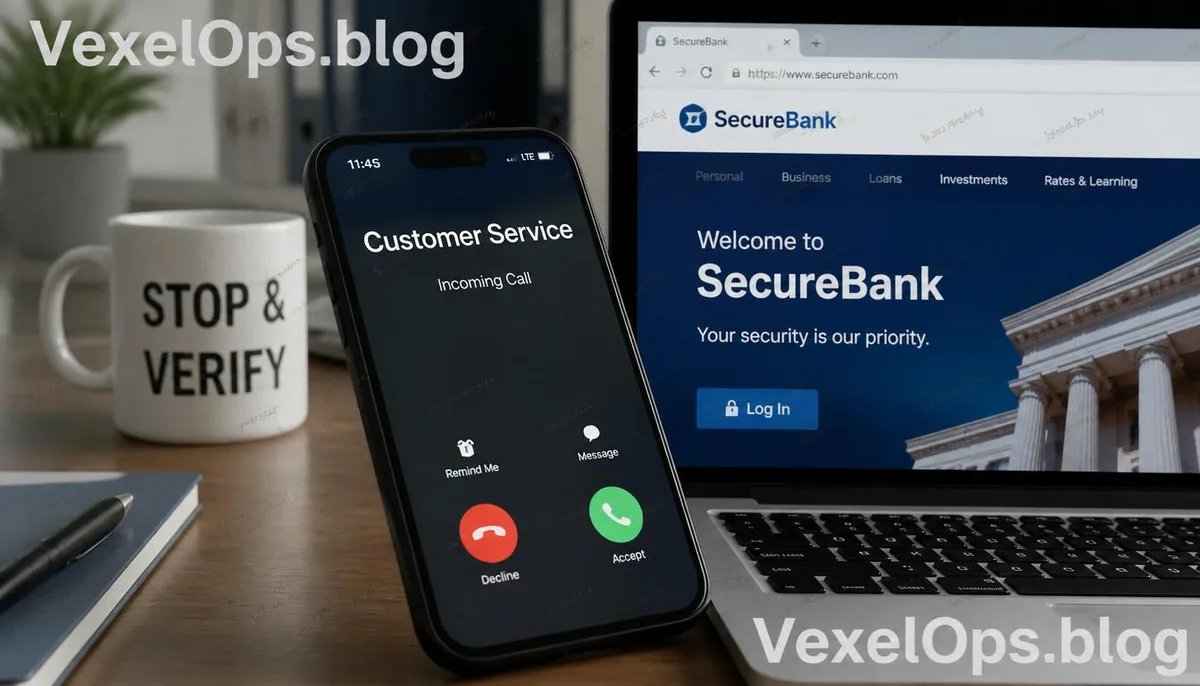
Staying calm is often the best first step.
When suspected of receiving a bank call, there is no need to rush to complete everything over the phone. You can first note down the information provided by the caller and then log into the official app, the official website, or use the customer service number published by the bank to verify again. Real financial institutions usually understand customers need to verify again and will not cancel your rights because you hung up and contacted customer service. Rather, taking the time to confirm again can reduce the chance of falling for suspicious calls and allow you to handle subsequent problems with greater peace of mind.
Common Questions about Fake Bank Customer Service
If the caller knows my name, is it definitely a legitimate bank?
Not necessarily. Some public information, leaked data, or other sources can allow strangers to access some personal information. Therefore, even if the caller can state your name, you cannot confirm their identity based on this alone. It is advisable to verify the information again via the official customer service phone or official app.
If the caller ID shows a bank number, is it definitely real?
Not necessarily. In recent years, some fraud cases may use technology to make the caller ID appear to be a legitimate number, so in addition to caller ID, pay attention to what the caller asks. If it involves passwords, verification codes, or transfer actions, it is wise to be cautious.
If I really suspect I received a fake bank call, what should I do?
You can end the call, then contact the bank again through their official website, official app, or the customer service number on the back of your credit card for confirmation. Keeping a record of the call duration, phone number, and other relevant information can also help clarify the situation later.