

Why Are People Afraid of Others Knowing Their IP Address?
Many people have encountered situations during online gaming, voice chat, or watching live streams where someone suddenly claims they know your IP address. Some people may even intentionally use this as a threat to instill fear. When faced with this situation for the first time, many might wonder: Do they really know where I live? Can my computer be controlled? Should I disconnect from the internet immediately? In reality, while the IP address is indeed important network information, it is not as mystifying as it is rumored to be. Once you understand its use and limitations, you’ll find that many longstanding beliefs mix different concepts, leading to misunderstandings.
What Does an IP Address Really Represent? What Information Does It Provide?
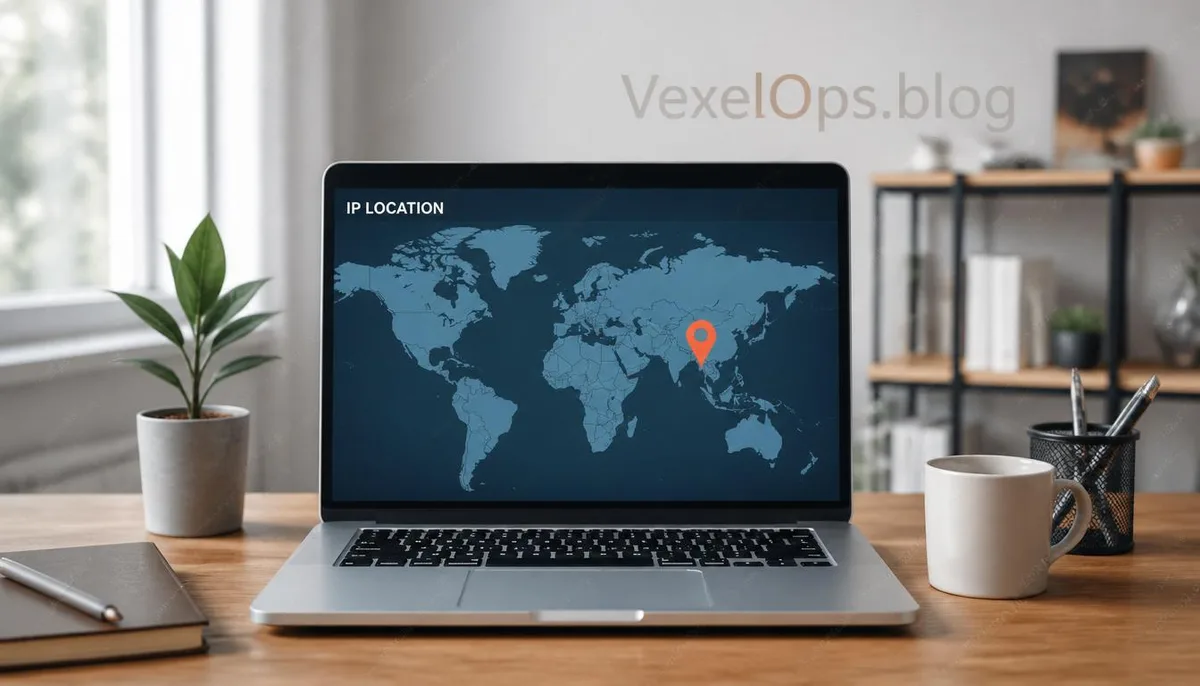
An IP address can be understood as the set of network addresses used by a device when connecting to the internet, much like how a physical address is required for mail to be delivered to the correct destination. Using public IP lookup tools, you can generally see the internet service provider, a rough city or area, and some related network information. However, this information usually reflects a broad location rather than a precise address. For example, a lookup result might show that an IP is located in Taipei, Tokyo, or Los Angeles, but it doesn’t mean you can pinpoint a specific building, let alone identify which user is operating the computer based solely on that number. Thus, equating an IP address directly with a real identity is not a correct understanding.
The Real Concern Is Not So Much the Single IP Address
If you only know one IP address, the information you can obtain is usually limited. The actual risk comes when information from different sources is combined, potentially forming more clues. For instance, publicly available social media accounts, long-shared personal photos, geotagging, emails, usage habits, or other personal data can enable strangers to gradually piece together more information. So, the real risk often arises from not a single piece of data, but from the accumulation of various public information. Instead of focusing solely on the IP address, it is better to regularly check your social media privacy settings and reduce unnecessary public information, which is generally more beneficial for protecting personal privacy.
Which Rumors About IP Addresses Online Are True? Which Are Myths?
There has been much speculation about IP addresses online, such as knowing an IP lets someone find your home, remotely control your computer, or instantly access all personal information. Such content frequently appears in videos, forums, or gaming chatrooms, leading many to mistakenly believe that IP addresses have incredibly powerful capabilities. In reality, true network security is far more complex than these claims suggest. Whether risks arise depends on device security settings, system updates, firewalls, public services, and other technical factors, rather than simply relying on a single IP address to achieve anything. We observe that most average users face issues not because their IPs were known, but due to password reuse, downloading unverified software, or sharing too much personal information on social media. These situations usually warrant more attention than simply exposing an IP.
Understanding Network Principles Is More Important Than Fearing Technical Terms
The IP address is merely part of the normal operation of the internet; it is neither a magic tool nor the source of all risks. Once you grasp what it truly signifies, you are less likely to panic due to exaggerated online claims and can rationally discern which situations require vigilance and which are merely tactics to create psychological pressure. Digital safety does not stem from remembering more technical terms but from understanding what each piece of information represents, its potential impact, and establishing appropriate safety habits based on your usage context. This perspective is often more valuable than just fearing a specific technology.
Common Questions About IP Addresses
Can Someone Find My Home If They Know My IP Address?
In general, no. Public IP lookup tools typically provide only approximate information about the city, area, or internet service provider, and cannot directly show precise addresses. Unless additional information is lawfully obtained through specific investigative procedures, you need not assume that your home location has been exposed simply because your IP is known.
If Someone Claims to Have My IP While Gaming, Should I Change My Network Immediately?
In most cases, this is unnecessary. Such claims often aim to psychologically pressure someone rather than indicate a comprehensive grasp of the situation. If your device shows no other unusual behavior and you haven’t received suspicious links or applications, staying calm and confirming the safety settings of your accounts and devices is usually more important than hastily changing your network.
Is Protecting My IP Address Equal to Ensuring Network Security?
An IP address is just a small part of overall network security. What truly deserves focus is managing account passwords, utilizing two-factor authentication, performing system updates, securing device settings, and managing public information on social media. When these fundamental security measures are in place, knowing that your IP address has been revealed does not inherently lead to actual risks.