Why Are Fake Lotteries So Attractive to Users?
Various lottery activities frequently appear on social media platforms, messaging apps, and emails. Some claim that you've been selected, others say you've won gift cards, and some assert that by simply filling out information, you can receive cash, phones, coupons, or time-limited rewards. These messages are so enticing because they exploit psychological triggers like "free," "limited time," and "lucky winner." When ordinary users see a prize, they may think of trying their luck, believing that it’s just a matter of filling out a little information. However, the problem is that scammers often start collecting your personal information right from this step. Fake lotteries do not necessarily demand immediate transfers. Some may first ask you to provide your name, phone number, email, address, or social media account, and then request payment for shipping, fees, verification costs, or unlocking fees. By the time you sense something is off, your information may already be compromised.
Common Forms of Fake Lotteries
Fake lotteries can disguise themselves in many different forms. The most common is through comments or private messages on social media, where someone claims you have won a prize and prompts you to click a link to fill out information. Another type involves fake brand promotions. Scam pages may use similar brand names, colors, and appear to have very official-looking event pages, misleading individuals into believing they're real events. Some fake lotteries may also show up through texts or emails, with content like "You’ve won a gift card," "Your account has been drawn," or "Claim your reward now." These messages often include a link, urging you to act quickly to claim a prize. Ordinary users need to note that just because something looks official doesn’t mean the event is real. Scam pages can mimic designs, but what’s truly important is whether the source is trustworthy, if the URL is correct, and if the event can be verified on official platforms.
Be Cautious When Asked to Provide Excessive Information
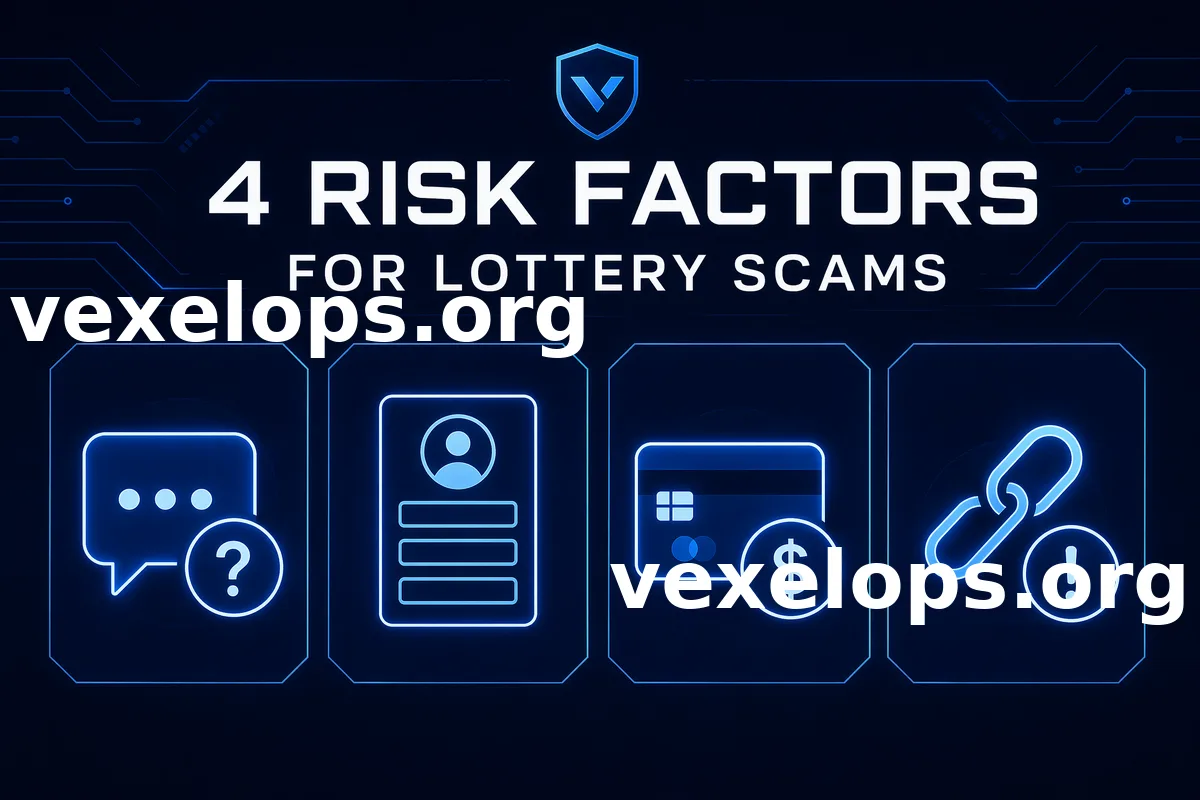
Genuine lottery activities usually shouldn't ask for a large amount of sensitive information right away. If a simple lottery requests personal ID, bank account details, credit card information, passwords, verification codes, or complete addresses, you should raise your guard. Some fake lotteries may claim they need your information to confirm your identity or require complete details to claim the prize. However, if the information requested bears no reasonable relation to the prize itself, it is likely aimed at collecting personal data. For example, if claiming a small gift card requires you to provide ID or payment details, that is unreasonable. For regular activity prizes, you shouldn't be asked for social media passwords or SMS verification codes.
Requests for Payment Before Claiming Prizes Are Usually High-Risk Signals
A common next step in fake lotteries is to request payment. The scammer might say that you need to pay for shipping, handling fees, taxes, account verification costs, or prize reservation fees. The initial amount might seem small, making you feel it's acceptable. But the real risk is that once you pay, they may continue to ask for more money. For example, initially saying it’s shipping, then later claiming it's taxes, and subsequently asserting that your account is experiencing issues that need unlocking. You could end up paying a lot of money without receiving any prize. If you suddenly get notified that you've won without ever participating in the event and have to pay upfront to claim, it’s typically very suspicious.
Avoid Logging into Accounts from Unknown Links
Some fake lotteries might request that you log into your social media account, claiming they need to verify your identity, bind prize eligibility, or share event details. These pages could be phishing sites aimed at collecting your username and password. If you enter your social media account, email password, or verification code on a fake page, the scammer may gain control of your account. Afterward, your account could be used to send more fake lottery messages, affecting your friends as well. When encountering lottery events, if logging in is required, it’s best to confirm the event’s existence directly through the official app or website rather than entering from unknown private messages, texts, or group links.
How to Determine Whether a Lottery Is Trustworthy?
You can check several aspects first. Is the event mentioned on official websites or accounts? Is the URL correct? Are there clear event rules? Is it requesting unreasonable personal information? Is it asking for payment upfront? Is there an urgent countdown pressuring you to fill it out quickly? If the source of the event is vague, can only be contacted via private message, can't be found on official platforms, or consistently urges you to act fast, you should stop and think twice. Genuinely trustworthy events usually won't fear verification and won’t ask you to input sensitive information on unknown websites.
What to Do If You Have Already Provided Information?
If you've only filled in basic information, such as your name, phone number, or email, you should be particularly vigilant for any subsequent scam calls, texts, or phishing emails. If necessary, block suspicious numbers and remain alert to future messages. If you've entered your username and password, you should immediately change your password on the official platform, log out from other devices, and enable two-factor authentication. If you provided bank details, credit card information, or payment data, you should contact your bank or payment service provider as soon as possible to confirm whether you need to stop using your card or check transaction records.
Free Prizes Should Not Come at High-Risk Costs
What fake lotteries most often exploit is people’s sense of hope. When you see yourself winning, it's easy to first think, "Maybe it’s real." However, the safer approach is to pause and verify the source. Ordinary users don’t have to completely avoid participating in lottery activities, but they should steer clear of several high-risk behaviors: do not enter sensitive information on unknown links, do not provide verification codes, do not pay upfront to claim prizes, and do not log into accounts from suspicious pages. If a prize requires you to provide too much information, pay fees, or complete actions within a short timeframe, it might not be an opportunity but rather a risk. Verifying before claiming a prize is safer than trying to remedy it afterward.