
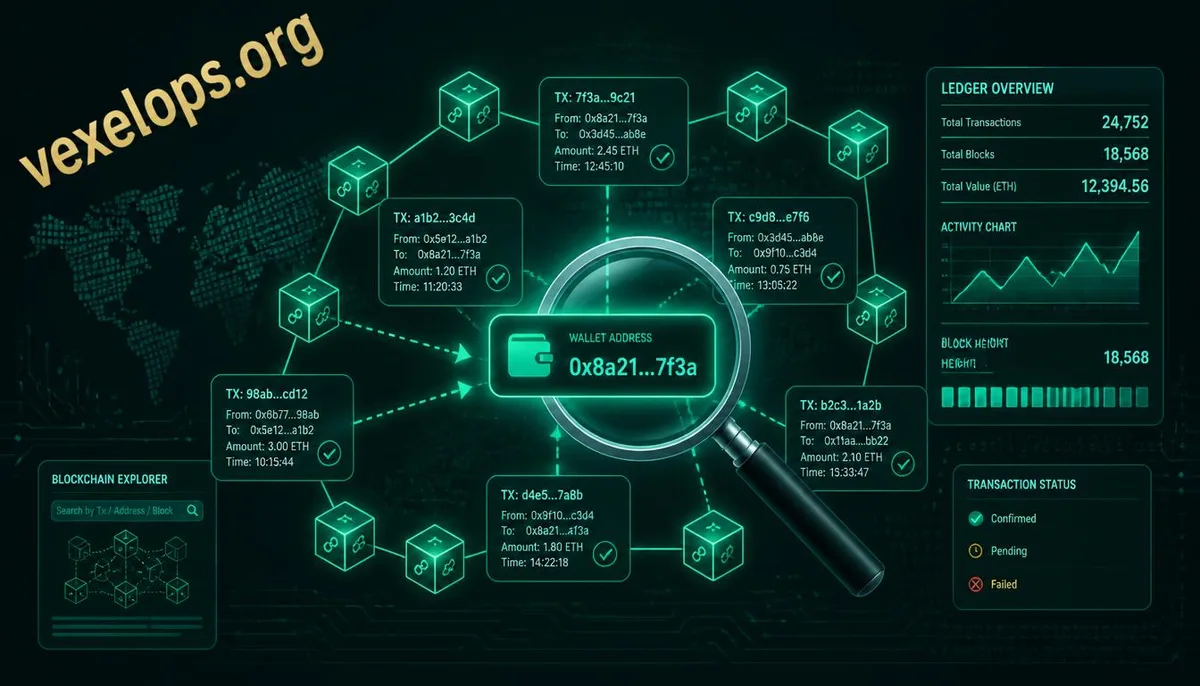
Why Virtual Currency Scams Makes Victims Feel Particularly Helpless
When traditional bank accounts face fraudulent transactions, victims can often rely on the bank’s interception mechanisms to halt payments within a certain period. However, in the case of virtual currencies like USDT, once a transaction is completed, the on-chain record is irreversible, and there’s no bank to press the pause button. This is why many victims initially feel unsure about whom to turn to once they realize they’ve been scammed. Nonetheless, virtual currency transactions are not entirely untraceable. The blockchain itself is characterized by openness, transparency, and tamper-proof records. If individuals understand the correct methods for gathering evidence and reporting fraud, there remains a chance to employ judicial and technical means to improve the likelihood of recovering funds or apprehending attackers.
What to Do Immediately Upon Realizing You've Been Scammed
Once you’ve confirmed that you have transferred USDT to an address specified by a scammer, the first step is to stop any further actions. Do not be tempted to transfer more funds due to new claims from the scammer (such as demands for additional fees to release your funds), as these follow-up tactics are typically part of continued scams. Next, ensure you thoroughly retain all communication records with the scammer, including chat screenshots, the payment address provided by the scammer, screenshots of the exchange page, the transaction hash during the transfer, and any other evidence that can indicate the flow of funds. Such information will be crucial in the reporting process and judicial investigation.
Key Information to Pay Attention to When Gathering Evidence
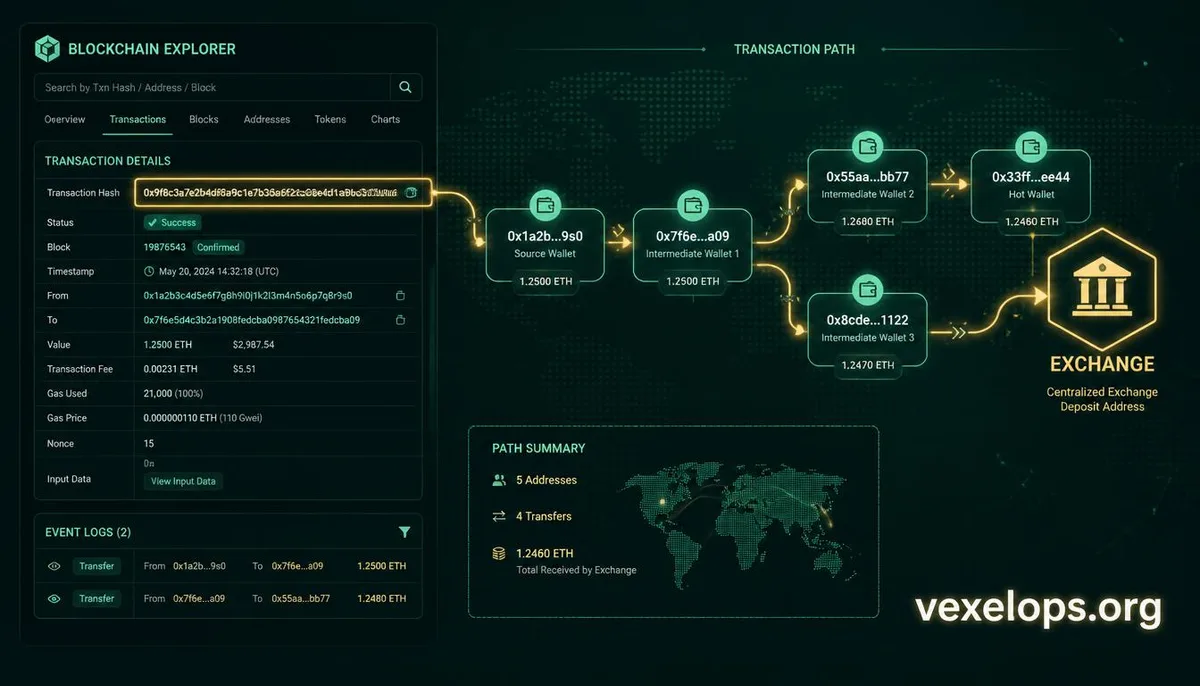
Before reporting the fraud, it is advisable to clearly organize the following information, which can significantly accelerate the process of case acceptance and follow-up investigation: - The wallet address of the recipient and its complete transaction history on a blockchain explorer (such as Etherscan, Tronscan) - The transaction hash at the time of transfer, which serves as the unique identifier for locating that transaction on the blockchain - If the transaction was executed through an exchange platform, retain the order number from the exchange and associated screenshots - Communication records with the scammer, including the initial contact methods (dating apps, social platforms, investment groups, etc.) - Any information that can verify the scammer's identity, such as phone numbers, social media accounts, or any other data previously used by the recipient The more complete this information is, the quicker law enforcement and any potential blockchain analysis units intervening can match the flow of funds, such as whether they have arrived at a particular exchange account, leading to a request for the exchange to provide account holder information.
Specific Process and Considerations for Reporting Fraud
Once you have confirmed all your evidence is in order, you should promptly go to the police station to report it. Virtual currency fraud cases are generally categorized under fraud or money laundering prevention-related case types. When reporting, it’s advisable to clearly state that this involves a virtual currency fraud case and proactively provide organized blockchain transaction records and transaction hashes to avoid delays caused by officials’ unfamiliarity with the relevant technical details. If the amount involved is significant, or if the case pertains to cross-border fraud rings, it may also be worthwhile to consult a lawyer or institution specializing in digital asset-related cases, to assess whether other legal means (like requesting a freeze on accounts through the exchange) are needed to enhance the chances of recovering funds.
How Blockchain Judicial Tracking Works
Although blockchain transaction records are public, addresses do not directly correspond to real identities, which complicates tracking virtual currency fraud compared to traditional bank transfers. When judicial authorities handle such cases, they typically utilize blockchain analysis tools to trace funds from fraudulent addresses to subsequent locations, observing whether they eventually flow into an account from a recognized exchange. Once the fund flow can be locked to an exchange account, judicial authorities can formally demand, through legal proceedings, that the exchange provide the account holder’s identity data. This is currently one of the relatively feasible pathways for tracing identities in virtual currency fraud cases. However, if the fraud ring intentionally obscures fund flow through mixing services, cross-chain bridges, or multi-layer transfers, the difficulty of tracking significantly increases, posing a common challenge currently faced in investigating virtual currency fraud cases.
Prevention is Always More Important Than Remediation
Understanding the reporting process and the feasibility of blockchain tracking can certainly help in recovering some losses after being scammed, but the actual success rates in reclaiming funds are still significantly lower than the chance of avoiding scams altogether by being vigilant beforehand. For any investment offers that require a prior USDT transfer to unlock higher yields, or that guarantee profits without loss, one should maintain a high level of skepticism. Verifying the scammer's identity and platform background beforehand is often the most effective first line of defense against virtual currency scams.