
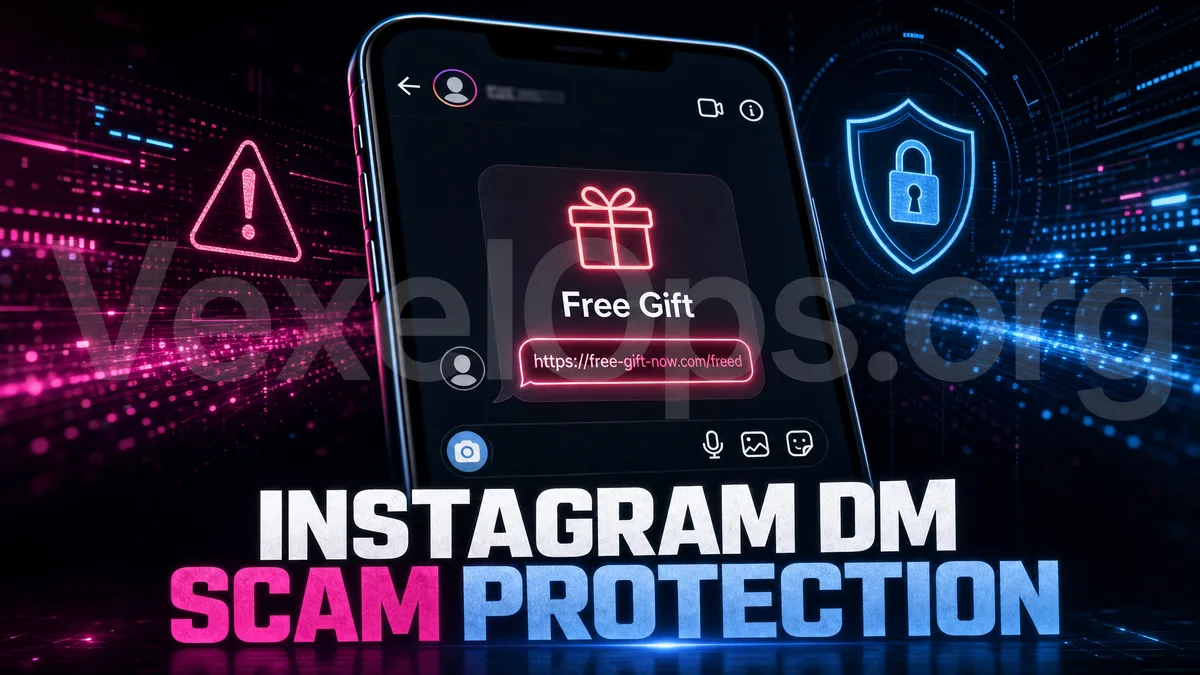
What People Overlook in Instagram DMs: It’s Not the Ads, but the 'Seemingly Normal Messages'
On Instagram, most people are accustomed to seeing ads, follow recommendations, or messages from brand accounts. However, the real trouble lies not in the public content, but in direct messages (DMs). Particularly those messages that seem 'friendly' or 'reasonable', such as: - You have won a free gift - Your account has been selected for a lottery - Brand collaboration invitation - Limited benefits to claim - Free subscription or trial offers - Immediate identity verification required These messages typically come with a link that looks like an Instagram login page, brand website, or event page. But their true purpose is not to give gifts, but to lead you into a 'fake login process'.
Why Are the Words 'Free' Particularly Dangerous?
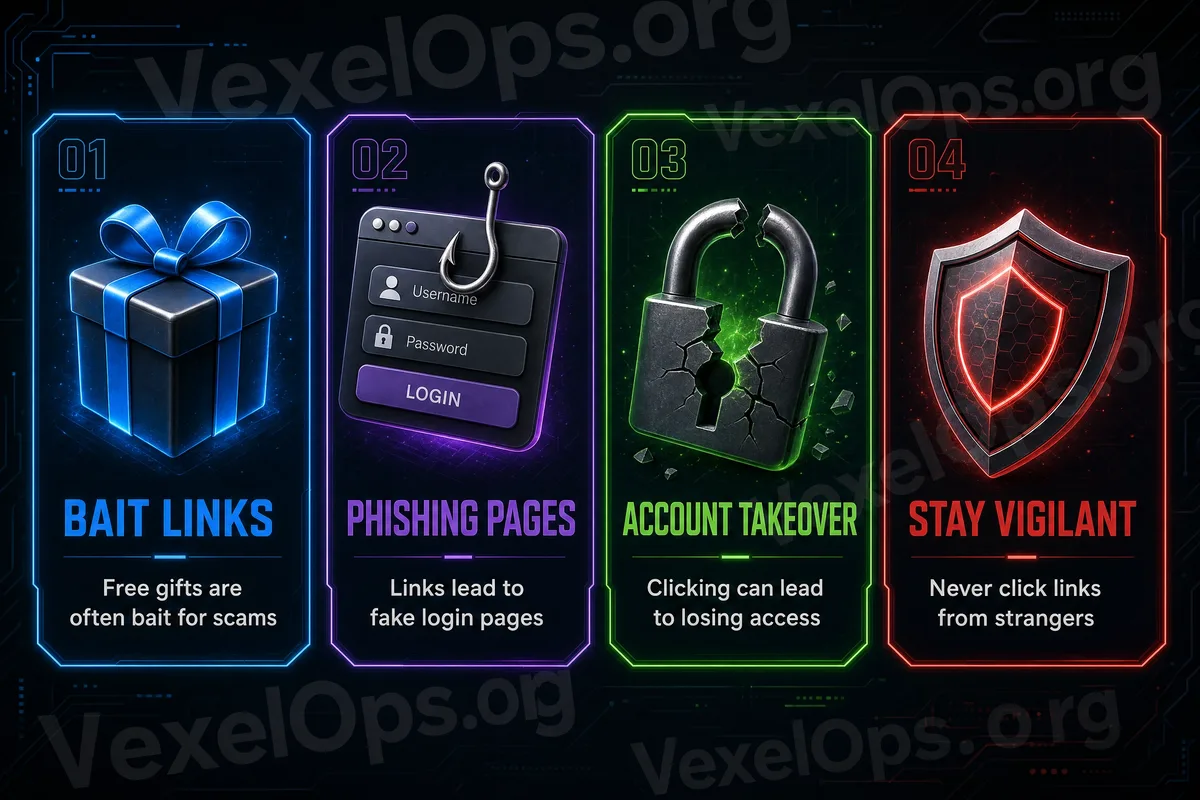
People tend to let their guard down when they see 'free'. When you see free gifts, free collaborations, or free lottery winnings, your brain often thinks 'let’s take a look' rather than first doubting its authenticity. This psychological window is what these scams often exploit. On platforms like Instagram, Facebook, TikTok, Telegram, or WhatsApp, these messages are typically crafted to: - Use names that look like legitimate accounts - Include brand logos or impersonated profiles - Use simple English or an official tone - Provide a short link or a fake website Once you click in, you might land on a page that looks like an Instagram login page.
Phishing Pages Don’t Immediately 'Steal Data', But Guide You Step by Step
Many people believe that their accounts are hacked because their passwords are stolen the moment they enter them. However, phishing processes are usually more intricate, broken down into several stages: Step 1: Log in The page appears to be Instagram, Google, or Facebook, asking you to input your account credentials. Step 2: Create a Security Pretext For example, 'identity verification needed', 'confirm this account is not a bot', 'unlock your prize'. Step 3: Request Verification Codes If you have two-factor authentication enabled, the next step may require you to enter an SMS or Authenticator code. Once you input the verification code on the fake page, the attackers may log into the real Instagram or Google.
Why Are Instagram Accounts Particularly Attractive Targets?
An Instagram account is not just a social account, but may also link to: - Facebook business pages - Meta Business Suite - Ad accounts - Brand collaboration resources - People’s direct message records - E-commerce referral links For attackers, a well-managed Instagram account has a far higher value than most people realize. Thus, for creators, small businesses, or accounts with significant traffic, 'DM phishing' is often more common than brute force logins, as it doesn’t require system hacking; it merely needs the user to input their information.
How to Determine If an Instagram DM Link Is Safe?
You don’t need to be overly technical; a few simple habits can help: 1. Official entities won’t ask you to log in via strange DMs Real notifications from Instagram or Meta usually appear in the app's notification center, not through messages from unknown accounts. 2. Is the link domain strange? For example, if it’s not instagram.com, facebook.com, or an official brand site, but resembles those with misspellings. 3. Are they asking for verification codes? Any page asking you to 'provide an SMS verification code' should raise significant caution. 4. Is there a sense of urgency? For example, 'claim within 5 minutes' or 'otherwise, your eligibility expires'; such designs are often used to reduce judgment time.
What to Do If You’ve Clicked In or Entered Information?
If you simply clicked the link but didn’t enter any information, the risk is typically lower; you can close the page and check your Instagram login records. But if you have entered: - Password - Email - SMS verification code - Google/Facebook login information You should immediately: 1. Change your Instagram password 2. Check your login devices 3. Remove suspicious third-party authorizations 4. Enable or reset two-factor authentication 5. Check if your email also has unusual logins If multiple platforms are affected (Instagram + Email + Facebook), it’s advisable to organize the timeline of events clearly; this will make it easier to determine the source afterward.
The Core of Social Security Is Actually to 'Slow Down a Little'
These types of DMs are effective not because of sophisticated technology, but because people are used to making quick decisions. When encountering 'free', 'collaboration', 'lottery', or 'gift', pausing for a second can actually prevent most risks. The issue with Instagram DMs is not the links themselves, but how they package the risk as 'good news'.