

Principles of Bluetooth Tracker Technology and AirTag Operational Logic
The core of Bluetooth trackers lies in low-energy Bluetooth technology. Unlike traditional GPS positioning, these devices do not possess satellite positioning capabilities. Instead, they emit encrypted Bluetooth signals to establish brief connections with nearby Apple or Google devices. These surrounding devices then anonymously upload the received location information to the cloud, creating a vast crowdsourced positioning network. This design allows trackers to achieve accurate global positioning while consuming minimal power. For users, this means that as long as there are other people's phones passing by, your tracker's location will be updated. The brilliance of this technology lies in its decentralized nature, but it is precisely this characteristic that makes tracking behavior extremely discreet. Understanding this signal transmission chain is the first step in establishing a counter-detection mindset. By mastering the frequencies and characteristics of Bluetooth broadcasting, we can more effectively identify abnormal devices that do not belong to us.
Risks of Malicious Tracking and Social Engineering Threat Analysis
Although Bluetooth trackers are designed to help find keys or wallets, their small size and strong battery life make them susceptible to use in illegal tracking of movements. Hackers or malicious individuals may hide devices in vehicle chassis, backpack compartments, or even clothing pockets. Since these devices are typically in silent mode and only emit signals when other devices pass by, traditional radio detection instruments often struggle to capture their presence in real time. In addition, social engineering techniques often combine with Bluetooth tracking. For example, someone may gift what seems like an ordinary present that secretly contains a modified tracker. This threat not only exists in the physical space but also extends into the realm of digital privacy. Staying alert to unfamiliar gifts and regularly checking the safety of personal items are indispensable elements of protective awareness in modern life. This proactive defensive mindset allows us to enjoy the conveniences of technology while effectively blocking potential harassment risks.
How to Use Your Phone to Detect Hidden Bluetooth Tracking Devices
In the face of potential tracking threats, modern mobile operating systems have built-in robust proactive defense mechanisms. Both iPhone and Android devices can now detect unknown Bluetooth trackers that continuously follow you, issuing real-time alerts. These systems analyze the movement trajectories of devices and, if they discover an AirTag or third-party tracker that is not yours moving in sync with you for a long time, the system guides you to make it emit a sound to help locate its precise position. In addition to built-in system features, using professional Bluetooth scanning software is an effective auxiliary measure. These tools can display the signal strength and device names of all nearby Bluetooth devices, helping you identify those trying to hide their identities. If you suspect the presence of invisible Bluetooth monitoring threats, VexelOps can assist in deep wireless signal scanning and risk assessments to ensure your digital environment remains free from illegal devices.
Cross-Platform Anti-Tracking Mechanisms and Digital Privacy Defense Strategies
In response to the increasingly severe tracking issues, technology giants have reached agreements to establish cross-platform anti-tracking standards. This means that regardless of what phone you use, you can receive alerts from tracking devices of different brands. This industry collaboration provides users with more comprehensive protection, showcasing the positive efforts of the tech community in safeguarding privacy. We should actively utilize these tools and keep our systems up-to-date to gain access to the most advanced protection features. Establishing long-lasting defense strategies also includes physical prevention measures. For example, using storage bags equipped with Bluetooth signal shielding to handle sensitive items or conducting simple environmental scans before entering private spaces. Keeping engaged in learning about and being curious about new technologies allows us to stay one step ahead of threats. Digital security is an ongoing evolution; as long as we master the right tools and knowledge, we can protect our own tranquil space in the open network world.
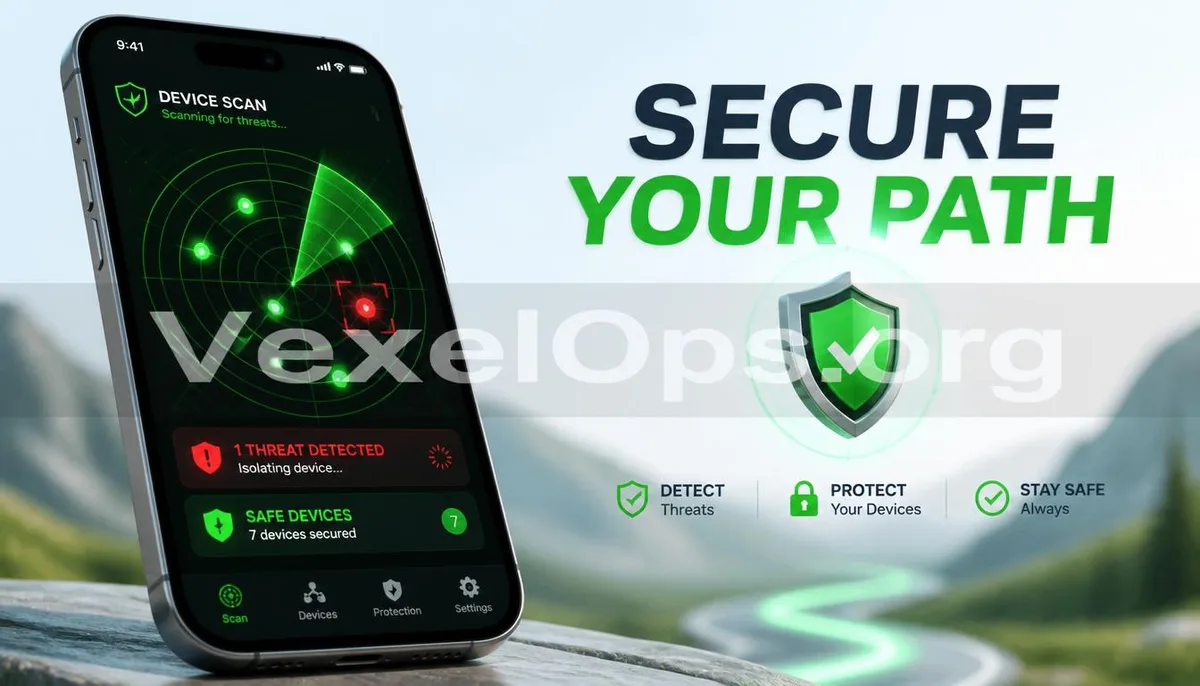
One Key Takeaway: Bluetooth trackers are convenient, but they can also become a privacy vulnerability. By regularly scanning surrounding devices and enabling system alerts, you can effectively prevent malicious tracking. Staying alert and using professional detection techniques is key to safeguarding your digital security.
Common Questions about Bluetooth Trackers and Counter-Detection
Why does my phone receive alerts about unknown AirTags moving around me?
This usually happens because the system detects a Bluetooth tracker that does not belong to you, following your movement trajectory for an extended period. This could be due to someone accidentally leaving an item near you or a malicious tracking attempt. When you receive this alert, be sure to follow the system's instructions to try and make the device emit a sound to confirm its location. If you discover that the device has been deliberately hidden, it is advisable to take a photo for evidence and temporarily remove its battery to interrupt tracking, then seek assistance from relevant authorities.
Can anti-tracking scanning apps on the market really find all hidden devices?
Most professional Bluetooth scanning apps can detect low-energy Bluetooth devices emitting signals nearby and display their signal strengths. However, some specially modified trackers may adjust their emission frequency or cycle to evade regular scans. Additionally, if the tracker is currently outside any network coverage, it may be in a dormant state. Therefore, scanning apps should serve as auxiliary tools, combined with the integrated automatic alerts and physical inspections, to achieve optimal preventive effects.
How should I safely handle a tracker upon discovery to protect my privacy?
Upon discovering an unknown tracker, the first step is to remain calm. First, confirm the model of the device; if it is an AirTag, you can use your phone to sense its NFC area, which may display part of the device's serial number. Next, you can remove the battery by turning the back cover counterclockwise, which will immediately cut off all communication and tracking functions. During the handling process, avoid directly damaging the device to ensure it can be provided to professionals for further technical analysis and source tracking if necessary.