
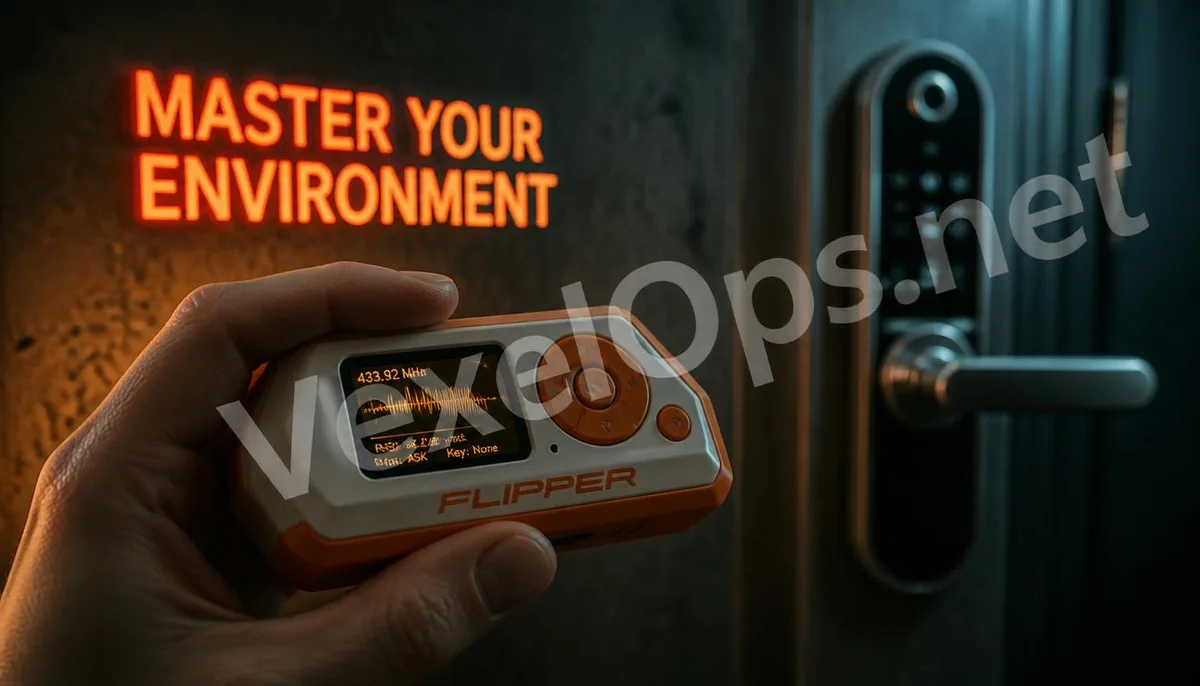
The Physical Key to the Digital World: The Rise of Hardware Hacking Techniques
While the public’s attention is focused on cloud firewalls and encryption algorithms, cybersecurity experts have long been directing their gaze towards physical interactions. The essence of hardware hacking techniques lies in utilizing communication protocols between devices to establish direct dialogues with electronic equipment in the real world. This technology is no longer confined to code on screen; it translates to physical actions such as unlocking doors, cloning access cards, or remotely controlling televisions. This shift makes cybersecurity more tangible. For the average reader, witnessing a handheld device reading credit card information or intercepting radio signals is often more impactful than complex malware. However, the popularity of these tools also introduces new risks. Fraudsters are attempting to leverage these low-barrier hardware tools to conduct precise data theft or device interference in public spaces. Understanding the operational logic of these tools is a critical part of modern cybersecurity awareness. We must recognize that any electronic device capable of wireless communication is essentially a potential communication interface.
The Digital Swiss Army Knife: The Versatility and Potential of Flipper Zero
Flipper Zero is a highly popular multifunctional hardware tool that integrates various radio communication modules. This device was designed to make it easier for tech enthusiasts to study their electronic environment, but its powerful capabilities have also shined in physical penetration testing.
- Sub-GHz radio communication: It can receive and transmit signals in the 300MHz to 928MHz frequency range. This means it can interact with garage doors, wireless doorbells, or remote keys for older vehicles, even simulating original signals
- RFID and NFC reading: This device can read and emulate 125kHz proximity cards and 13.56MHz NFC chips. In the absence of encryption safeguards, it can easily clone access cards or read some public data from contactless smart cards.
- Infrared control and iButton: It is equipped with an infrared transceiver capable of learning and sending control codes for various appliances. Additionally, it can read iButton keys commonly used in older physical access systems.
Although Flipper Zero is a neutral technical research tool, its portability allows criminal organizations to discreetly seek out security vulnerabilities near shopping centers or offices.
The Invisible Keyboard Assassin: Rubber Ducky and BadUSB Attacks
Rubber Ducky looks like an ordinary USB flash drive, but it conceals a mini-computer inside. Its technical core is known as BadUSB, a method of attack that exploits USB protocol flaws. When plugged into a computer, the system does not recognize it as a storage device but as a Human Interface Device (HID), effectively a keyboard.
- Rapid script execution: Because computers have innate trust in keyboard input, Rubber Ducky can automatically input predefined commands at hundreds of words per second. This allows it to open terminals, download malware, and disable system
- Bypass traditional scanning: Since it is recognized at the system level as hardware input, traditional antivirus software typically does not scan it. This covert nature makes it the preferred tool for scammers to implement penetration in
- Malicious payload delivery: Through simple script writing, it can send hijacked Session Cookies to remote servers or install hidden monitoring backdoors in the background.
In the face of such physical-layer technical threats, VexelOps can assist businesses and individuals in conducting in-depth hardware security audits. We can identify anomalous HID device records in the system and provide hardening recommendations for physical interfaces, ensuring your digital environment does not collapse due to a simple plug-and-play insertion.
Physical Defense Systems: How to Deter Hardware-Level Technical Penetration
Faced with these increasingly prevalent and powerful hardware tools, establishing physical security awareness is the first step in defense. We cannot rely solely on software-level encryption, but must also remain vigilant about the surrounding wireless environment and physical interfaces.
- Strengthening wireless communication encryption: For garage doors or smart home devices, prioritize brands with rolling codes or strong encryption protocols to prevent signals from being easily intercepted and replayed.
- Limiting physical interface access: When using computers in public places, avoid using unknown USB devices. In corporate environments, software policies can disable unauthorized HID device access.
- Using signal shielding equipment: For credit cards or access cards containing NFC chips, it is advisable to store them in wallets or card holders with RFID shielding capabilities to prevent data from being read remotely without consent.

Common Questions about Hardware Hacking Tools and Physical Security
Is it legal to own a device like Flipper Zero?
In most countries and regions, possessing such technical research tools is legal. They are primarily designed for educational and development purposes, allowing engineers to debug wireless communication systems. However, the law clearly prohibits using these tools for unauthorized access, such as breaking into someone else's doors, cloning access cards not belonging to oneself, or interfering with public radio communications. VexelOps reminds readers that the value of technology lies in exploration and protection; any application of technology for illegal harvesting or disruption of others' lives will face severe legal repercussions.
Can Rubber Ducky still work if my computer demands a login password?
Yes, Rubber Ducky remains a threat. Although it cannot directly enter passwords at a locked interface, it can rapidly complete attacks within seconds while you are away from your seat and the computer remains unlocked. Moreover, some advanced BadUSB scripts can simulate specific key combinations to attempt brute-forcing simple passwords or intercept traffic by emulating network cards while in a locked state. Therefore, manually locking the screen (Win+L or Cmd+Ctrl+Q) when leaving the computer is the most basic and effective physical defense habit.
How can I tell if my USB interfaces have been compromised by malicious hardware?
This requires analyzing the operating system’s device mounting logs. On Windows, you can check the history in Device Manager to see if there are any unknown keyboard or HID device connections. In Linux, the dmesg command can provide detailed hardware connection processes. If you discover device records in the system that do not match your actual hardware, this may indicate that your device has experienced physical penetration. VexelOps's expert team can assist you in conducting in-depth hardware log audits, tracking the time and points of anomalous device access, and cleansing any potential backdoor programs left behind.
One Key Takeaway: The essence of hardware hacking tools lies in direct interaction with communication protocols. By strengthening wireless encryption, securing physical interfaces, and utilizing professional hardware security audit services, you can effectively identify physical penetration risks and safeguard the security boundaries of both the digital and physical worlds.