
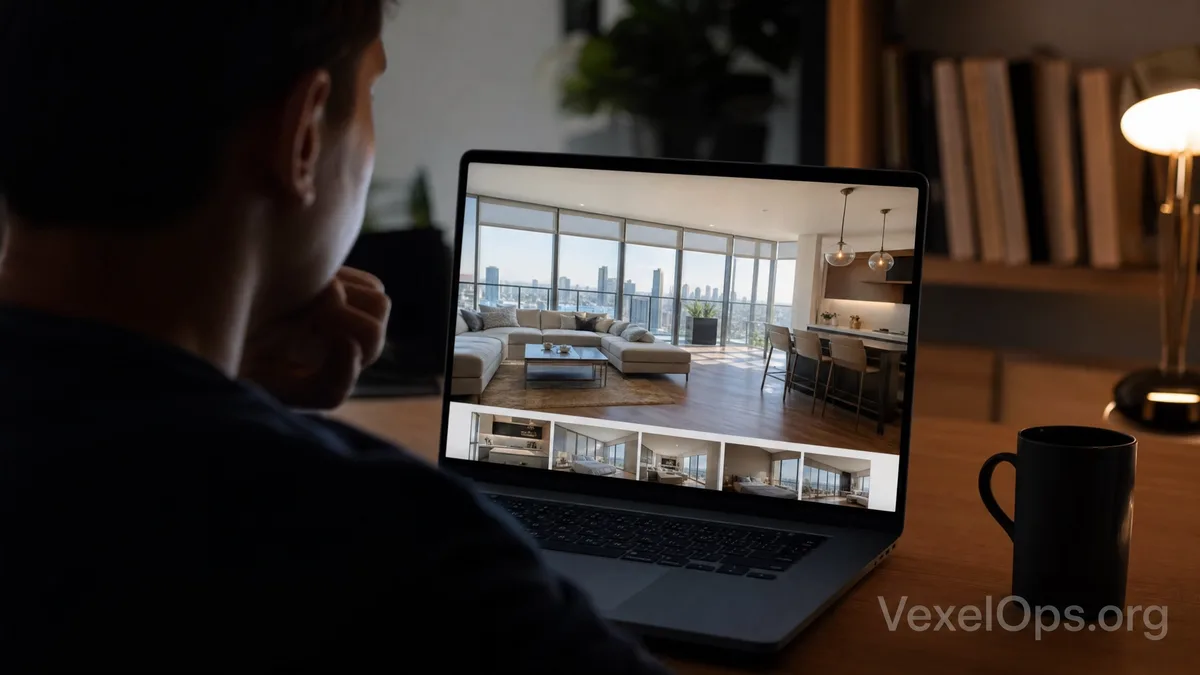
Be Cautious When the Listing Looks Too Perfect

Renting a property can be an anxiety-inducing experience. Particularly in big cities, during back-to-school seasons, peak moving times, or job transitions, many people see reasonably priced, well-located, and cleanly photographed listings and feel a strong urge to contact the landlord immediately, fearing that waiting too long will result in losing the opportunity. This psychological pressure makes it very common for rental scams to occur on Facebook Marketplace, Facebook rental groups, Telegram groups, WhatsApp messages, LINE chats, Craigslist, or other local living platforms. Scammers often use attractive images, below-market rents, and seemingly friendly landlord communication to create a sense of urgency. However, the core of rental scams isn’t about the property but about getting you to pay money upfront. The scammer may demand a deposit, viewing guarantee fee, key fee, application fee, background check fee, or even request your identification, bank information, pay stubs, or credit card details. After you make the payment, the landlord might disappear, delete their account, or you’ll find out that the property doesn't even belong to them.

Low-Priced Listings Aren't Always Good Deals; They May Be Bait

The most common tactic among fake landlords is to attract users with low prices. The listings may appear to be newly renovated apartments located in the city center, near public transport, schools, or business districts, but the rents are significantly lower than similar properties in the area. When you inquire, they often use various excuses to explain why the price is cheap, such as: 1. The landlord is abroad and needs to rent quickly. 2. Due to a job transfer, they are offering a low sublease. 3. The tenant suddenly canceled, and they need someone immediately. 4. Many inquiries have been received, and a deposit is needed to hold the property. 5. An in-person viewing isn’t possible, but a virtual tour can be arranged. 6. You must transfer the money first, and the keys will be sent later or upon your move-in. These statements may not all indicate fraud, but if the person consistently avoids an in-person viewing, refuses to provide verifiable information, and pressures you to pay, it’s a sign to be on high alert. A reasonable rental process should typically allow you to verify the property's address, the landlord or agent's identity, the contract details, and the payment method,

Be Cautious with Remote Viewing and Virtual Tours

Many people now start property viewings via video calls on WhatsApp, LINE, Telegram, or Messenger, which is completely normal, especially during long-distance relocations. However, remote viewings cannot fully replace the verification of identity and property. Some scammers may play pre-recorded videos or use photos and videos of other people's listings to pretend they're showing their house. Others might duplicate real listings from websites like Airbnb, Booking, Zillow, Redfin, or others and list them for rent at a lower price using their own accounts. If you can only do a remote viewing, it’s advisable to ask the other party to provide some immediate confirmations, such as opening windows in real-time, taking pictures of the surroundings around the door number, showcasing specific corners of the property, or providing documents consistent with the property address. If they continuously say, "It's not convenient right now," "You need to pay the deposit first, and then I'll arrange the viewing," or "There are many people in line," it’s best not to rush into payment.

Key Points to Confirm Before Payment

Before making any rental payments, several key things need to be verified: First, verify the address's authenticity. You can use Google Maps, Street View, property platforms, or local rental websites to check whether the address exists and if the photos match the appearance. Second, confirm if the landlord or agent can be verified. If they claim to be an agent, check the company name, license, official website, or public reviews. If they claim to be the landlord, they should at least provide reasonable proof of ownership or authorization, not just use personal accounts to pressure for payment. Third, ensure that the payment method is secure. If they ask you to use cryptocurrency, gift cards, irreversible transfer methods, or request that you transfer to an account that doesn't match the landlord’s name, be very cautious. Cryptocurrencies such as USDT, Bitcoin, and Ethereum are often hard to recover once transferred and are not suitable for unclear rental deposits. Fourth, ensure the contract is complete. A legitimate rental agreement should clearly indicate the address, rent, deposit, rental period, landlord or agent information, conditions for returning the deposit, and

Rental safety check flowchart showing key points on low-priced listings, address verification, landlord identity, lease documents, deposit payments, and personal data protection.

Don’t Share Personal Information Too Soon

Fake rentals don't only scam deposits; they can also be after personal information. Some fake landlords will ask you to fill out an application form, providing identification, passport, driver’s license, bank account, pay stubs, employment verification, credit report, or emergency contact information. While rental applications may indeed require some information, you should not give complete personal details to strangers before verifying the property, the landlord’s identity, and seeing the contract. This risk is heightened if you send photos of your identification via Telegram, WhatsApp, LINE, or Facebook messages. If you must provide information, it is advisable to verify the other party’s identity and the process first, and consider adding a watermark on documents indicating the intended use, such as "for rental application for a specific address only," to prevent your information from being used for other purposes.

If You've Already Paid a Deposit or Provided Information, Organize Your Timeline

If you suspect that you have encountered a fake landlord, do not rush to delete the conversation. Keep your chat records, payment receipts, account details, property links, phone numbers, emails, bank accounts, wallet addresses, contract files, and all messages requesting payment. If it's a platform listing, report it promptly to Facebook, Marketplace, the rental website, or relevant community administrators. If the payment was made via bank transfer, contact the bank to inquire about options for halting or tracking the transaction. If cryptocurrency was involved, save the transaction hash, wallet address, and date. VexelOps can help users organize information related to such rental scam incidents, such as conversation timelines, suspicious accounts, payment records, and necessary information for platform reporting, to ensure subsequent handling is orderly. This does not guarantee the recovery of funds but assists you in organizing chaotic information into a format that can be submitted, tracked, and assessed as evidence of the incident.

Trustworthy Listings Don’t Mind You Confirming More Than Once

Truly trustworthy landlords or agents typically won’t get angry just because you ask a few reasonable questions, nor will they continually pressure you to "pay right away, or it will go to someone else." Renting is an important decision, and confirming the address, identity, contract, and payment methods is a perfectly normal process. If you encounter listings significantly below market prices, cannot view the property in person, can only communicate via private messages, are asked for deposits upfront, and receive refusals to provide formal contracts, it’s best to pause. A property can be found later, but once deposits, personal data, and account security are compromised, it will be much more troublesome to resolve issues later. Verifying a bit more before viewing and double-checking before payment is often the most effective method to avoid rental scams.