
A Job Offer Email May Be Just the Start of the Deception
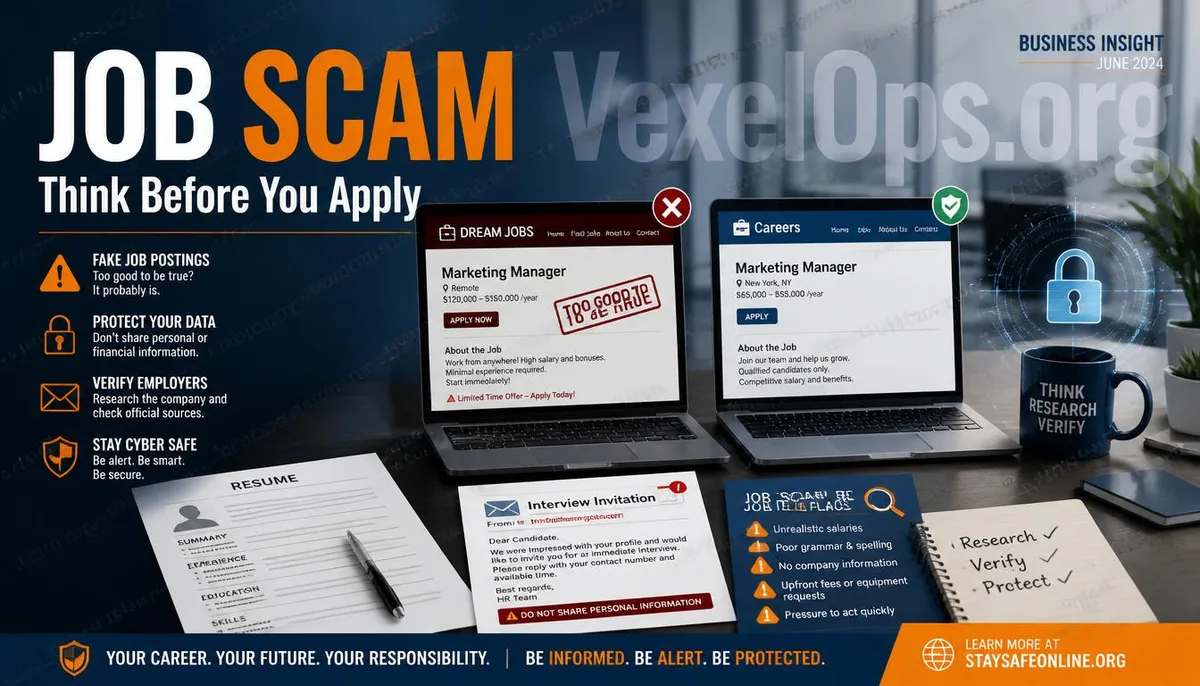
For many, finding an ideal job often symbolizes a new beginning. So when receiving an email with the subject "Congratulations on Passing the Initial Review" or a message inviting them for an interview on a messaging platform, few immediately suspect that it could be part of a meticulously crafted scam. In recent years, tactics used by fake recruitment websites and fraudulent company hiring have become increasingly sophisticated. Some even have a comprehensive official website, company introduction, recruiting personnel, and online interview process, making them appear similar to legitimate businesses. Consequently, many victims only realize something is amiss after being asked for payment, downloading specific programs, or providing personal information. What truly warrants attention isn’t the offered salary, but rather whether the entire recruitment process is reasonable and whether the information is consistent.
Do Genuine Companies Also Reach Out to Job Seekers?
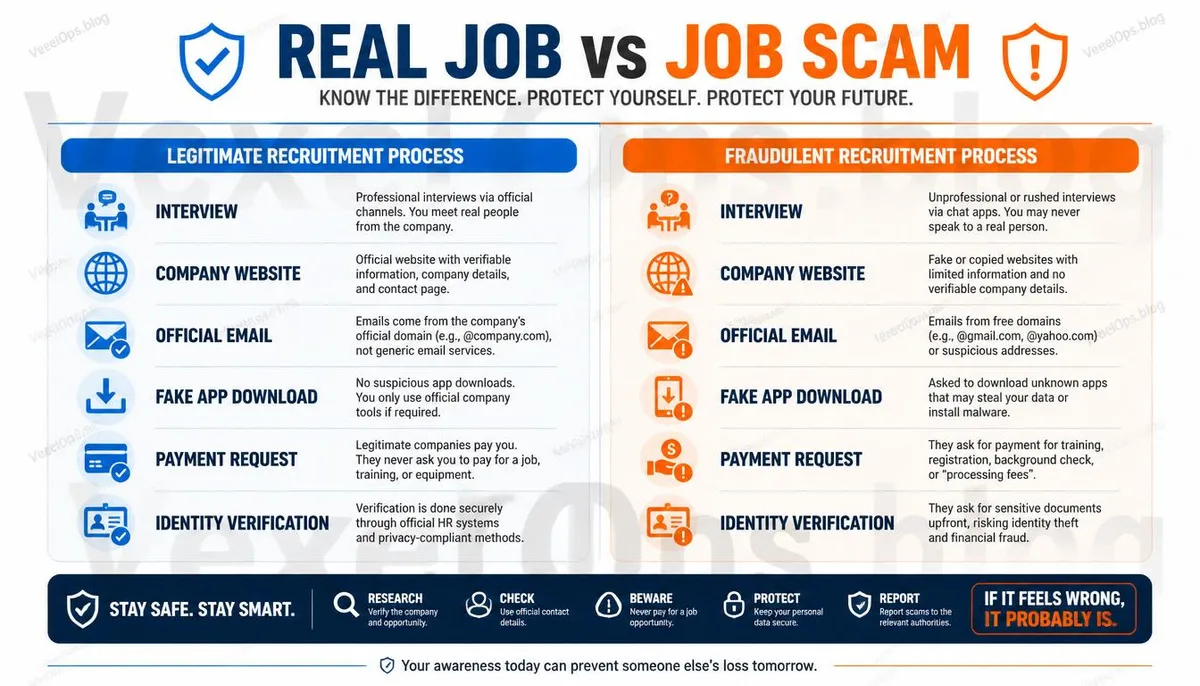
The answer is yes. Many companies actively reach out to qualified candidates using job platforms, LinkedIn, or talent databases, so the mere act of a company contacting you doesn't directly indicate a scam. What needs careful observation are the details. For instance, does the company have a public official website? Does the contact email come from the company domain? Are the job descriptions relevant to the company's business? If the interview arrangements, contact methods, and job content all correspond with each other, the credibility is usually higher. Conversely, if the other party deliberately avoids providing formal information and only encourages you to quickly join their messaging platform, or consistently pressures you to take the next step, it would be wise to spend extra time verifying their legitimacy.
What Recruitment Processes Are Most Likely to Raise Red Flags?
Many job scams don’t initially demand payment; instead, they gradually build trust. For example, they may start with a simple interview and then request that you download a specified app; or claim that the company needs to establish a work account, thereby asking for ID, bank account details, or even requesting an upfront equipment deposit. Some cases may ask applicants to assist with testing the company's payment flows, collecting payments, or making transfers, asserting this is merely part of the job process. What truly raises red flags isn’t a single action, but rather the occurrence of several irregularities simultaneously, such as high salary, quick hiring, no required professional skills, combined with money exchanges or personal information requests—overall, the risk significantly increases.
When Assessing a Job, Consider More Than Just Salary.
Many individuals searching for jobs tend to focus primarily on the salary or job content, neglecting whether the entire recruitment process is reasonable. For instance, is the company willing to arrange a formal interview? Is there a public contact method available? Is the website content comprehensive? Can the recruiter clearly explain the job details? These aspects often reflect a company’s credibility more than the question of "how much the monthly salary is." If you come across a position that has you hesitating, there's no need to rush to agree. Retain the recruitment messages, official website info, email contents, and conversation records, and take some time for cross-checking; sometimes, you'll discover significant red flags. In difficult-to-judge situations, taking extra time to verify is usually more beneficial than rushing to make a decision.
Common Questions About Job Scams
Is it always a scam if a company reaches out for an interview?
Not necessarily. Many companies now actively contact applicants through job platforms, LinkedIn, or talent databases, so receiving an interview invitation doesn’t inherently signify a problem. It's advisable to further verify the company's official website, contact methods, job descriptions, and recruitment processes for consistency to assess credibility, rather than directly concluding a scam simply because they reached out.
Should you be cautious if asked to download a specific app before an interview?
If the app is Teams, Zoom, or other common video conferencing software, it's generally part of the normal process; however, if they request you to install an unfamiliar app or remote control software via unofficial means, it’s recommended to verify its purpose and source first. Taking additional time to check is usually a safer approach when they cannot clearly explain the reason.
Is it necessary to provide identification or bank details when job hunting?
Some legitimate companies may require this information for personnel processes after confirming employment. However, if you’re asked to provide complete personal information, bank details, or pay any fees before an official interview or establishing the company's legitimacy, it's wise to pause the process, confirm the company background, and decide whether to proceed.