
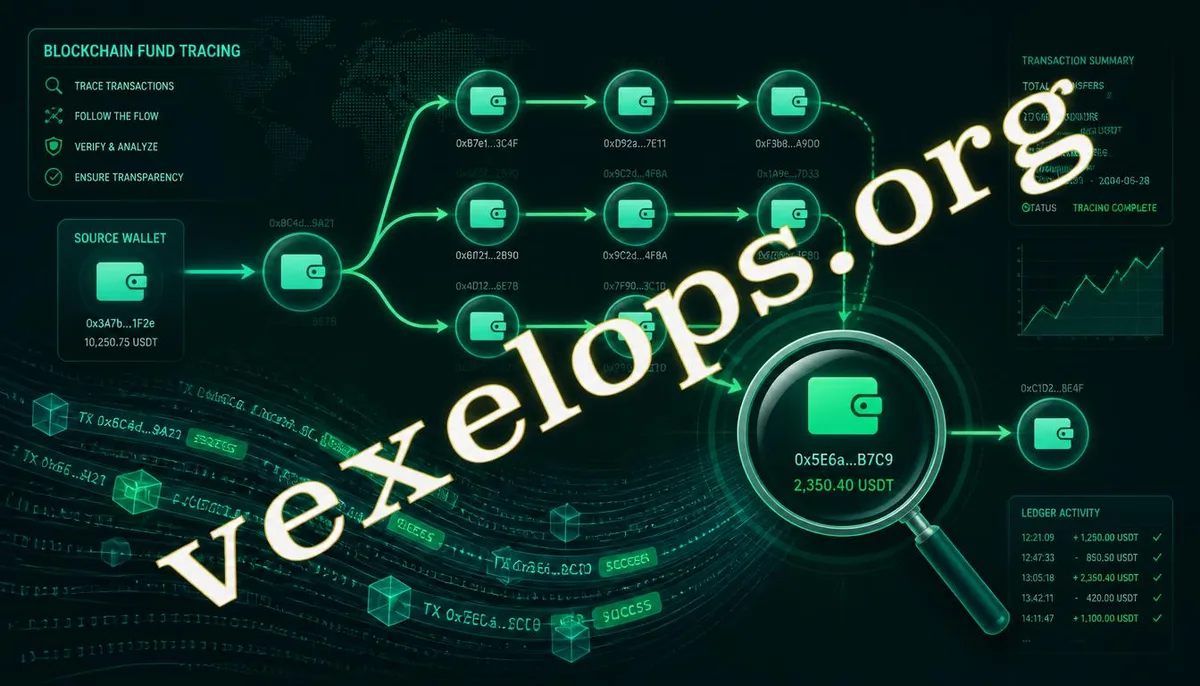
Why the Flow of Funds in Virtual Currencies is Not Completely Untraceable
Many people think that once USDT is transferred, it’s like throwing a stone into the sea—completely untraceable. This idea is only partially correct. While virtual currency transactions cannot be temporarily intercepted or reversed like bank transfers, the design of the blockchain itself allows every transaction record to be permanently publicly saved on-chain, accessible by anyone through a blockchain explorer. This public and transparent characteristic is the foundation for the operation of blockchain tracing technology. Although wallet addresses do not directly reveal real identities, if the funds ultimately flow to a platform with real-name authentication mechanisms, there is an opportunity to identify the user's identity through subsequent legal procedures.
Basic Operation Principles of Blockchain Tracing Technology
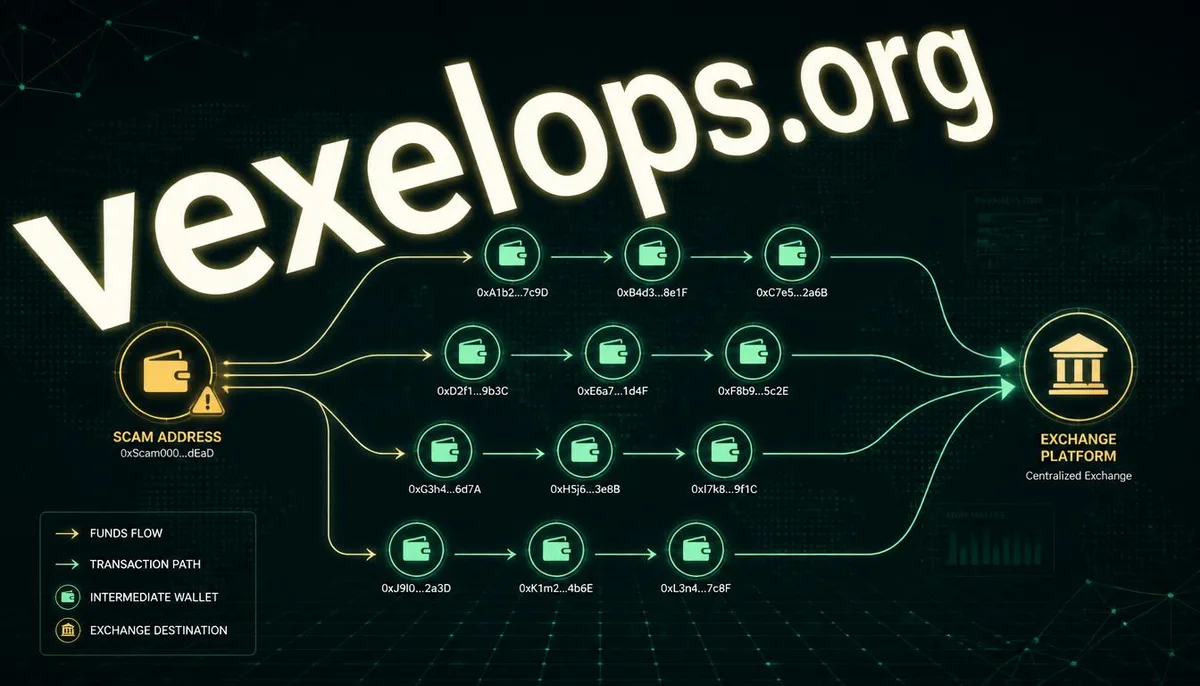
Blockchain tracing, simply put, involves tracking the path of funds, step by step, to trace where a transaction originally came from and where it ultimately goes. Each transaction leaves a sending address, receiving address, amount, and a unique transaction hash value; this information serves as the footprint of funds. When fraudsters receive the USDT transferred from victims, they typically do not leave it stagnant but further transfer the funds to other addresses, attempting to sever ties with the original fraudulent act. The core function of tracing technology is to continuously track these subsequent transfer paths, observing whether the funds ultimately stay in a private wallet or flow into a deposit address of a certain exchange.
Common Fund Transfer and Obfuscation Techniques
Fraud groups often employ several common obfuscation techniques to reduce the risk of funds being traced. One method is to split funds into multiple small transactions, dispersing them to different addresses, thereby complicating the tracing path. Another common technique is using mixing services, where funds from multiple users are pooled and then redistributed, making it difficult to identify the original source of a single fund transaction. Some fraud groups may also use cross-chain bridges to transfer funds from one blockchain to another, further increasing tracing difficulty. Nonetheless, these techniques are not completely unbreakable. Professional on-chain analysis tools can gradually restore the actual flow trajectory of funds by comparing the time correlation of multiple transactions, patterns of amount splitting, and interaction frequency between addresses; although, this requires more time and technical resources.
Preliminary Tracking Steps Victims Can Try on Their Own
Although complete on-chain analysis usually requires professional tools and experience, ordinary victims can still perform some basic preliminary tracking work before filing a report. First, they can paste the payment address provided by the counterpart into the corresponding blockchain explorer (for example, Tronscan for tracking TRC20 USDT, Etherscan for tracking ERC20 USDT) to check the historical transaction records of that address, confirming whether other victims have ever transferred to the same address. Secondly, noting the transaction hash value of their transfer and observing where the funds subsequently moved can help preliminarily assess whether the funds have entered a deposit address of a specific exchange. If they find that the same address also received multiple transfers from different sources but similar amounts, this often indicates that the address has been used as a centralized collection point for a fraud group.
Processing Steps After Locking Fund Flow to an Exchange
Once it is confirmed that funds ultimately flow into the address of a certain exchange, the next key step is to request that the exchange cooperate in providing the identity information of the account holder and assist in temporarily freezing the suspicious funds in that account through formal judicial procedures. This stage typically requires the police or a lawyer to formally send letters to the exchange, as simply contacting the exchange's customer service as a victim often leads to little progress. This is because exchanges, following user privacy protection policies, typically do not disclose account holder information without formal legal documents. If victims encounter difficulties in collecting evidence or tracing the flow of funds, they can consult platforms like ours, which focus on digital asset safety, to assist in outlining the direction of the case and suggesting feasible subsequent actions.
Managing Expectations While Tracking Funds
It needs to be candidly stated that even if the blockchain tracing technology successfully identifies the flow of funds, and it is confirmed to have entered an exchange account, it does not mean that the funds can be smoothly recovered. Whether subsequent interception or return of the funds can be successful is still contingent on the progress speed of judicial procedures and whether the fraud group has further transferred the funds out. Due to the many uncertainties in post-fraud reclamation, maintaining a high level of vigilance and verifying the identity of counterparties and platform backgrounds in any investment invitations or transactions involving virtual currencies remain the most fundamental and effective ways to avoid losses.