

Cracking Trust: When Wives Begin to Suspect Husband's Infidelity
In a marital relationship, trust is the foundation that sustains the bond between two people. However, when wives notice abnormal behaviors from their husbands—such as frequent overtime, never leaving their phones unattended, or deliberately deleting call logs—the previously solid trust begins to fracture. This anxiety drives wives to seek technological means to fill the information gap. For wives, location tracking is often viewed as the quickest path to regaining a sense of security. Experts have observed that this psychological need has birthed a vast market for location monitoring. From simple built-in features to professional tracking apps, various tools have emerged. However, while using these tools, wives often overlook the inherent technical risks. Many software applications claiming to monitor their husband's location may contain malicious scripts, which not only fail to resolve marital issues but may also lead to the leakage of the wife’s sensitive information. Understanding the limitations of location technology is essential for every wife facing a marital crisis. We must recognize that technology only presents data and cannot interpret emotions. Before trying to
Unveiling Common Tracking Methods: Wives Tracing Husbands' Locations
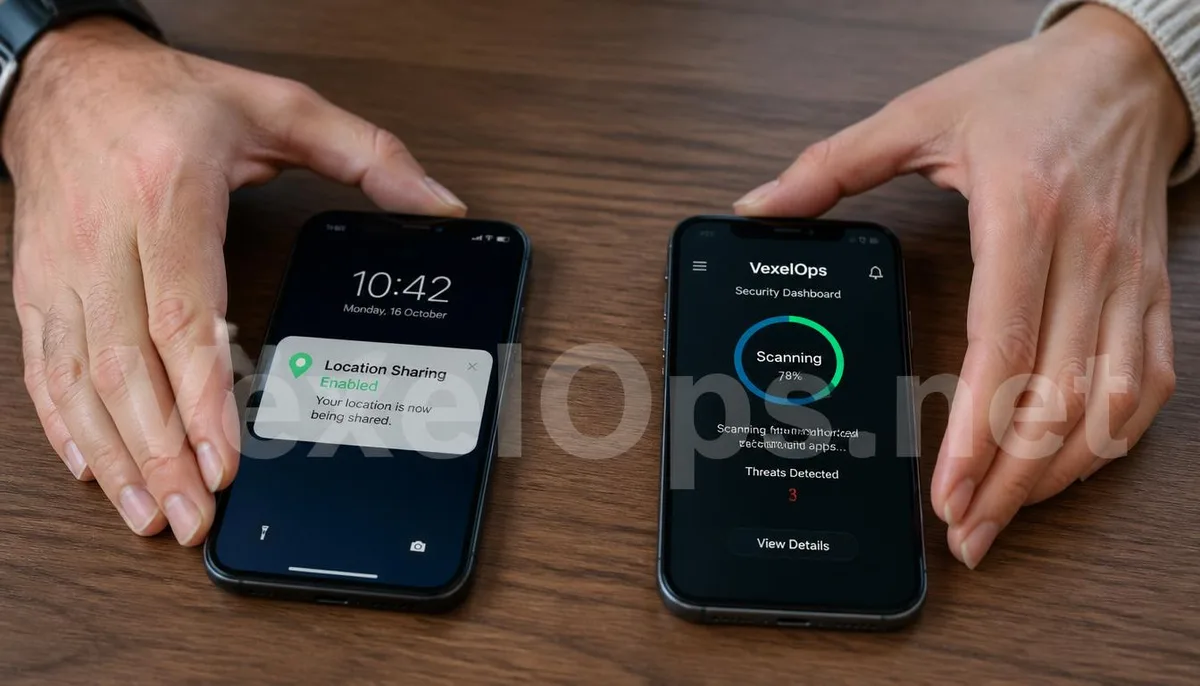
Utilizing Built-in Location Features: Wives can share account permissions to use the phone’s built-in device tracking feature to view their husband's real-time location. This method is the most straightforward and does not require additional software installation, provided that the location-sharing feature is enabled in the husband's device settings. Installing Third-Party Monitoring Software: There are numerous apps on the market boasting family safety or parental control features. If wives can gain access to their husband's phone, they can install such software. These tools can display the husband's movement trajectories and dwell times, providing more detailed geographical location data. Using Hardware Tracking Devices: Wives can place miniature trackers in their husband's common means of transport or personal items. These hardware devices communicate via satellite signals and mobile networks, allowing wives to access location data even if their husband's phone has disabled location features.
Beware of Digital Traps: How Scammers Exploit Location Needs for Gains
Fake Software Phishing Fees: Scammers develop fake location software, claiming that entering a husband's phone number will enable tracking. After wives pay inflated fees, they often find the software inoperable, as these scams adeptly exploit their anxiety to confirm the truth. Malicious Software Privacy Monitoring: Some so-called free tracking plugins may monitor the wife’s phone after installation. Criminal organizations can access her bank information, contact list, and private photos, leading to subsequent extortion, turning a marital crisis into a severe cybersecurity disaster. Illegal Resale of Account Permissions: If a wife purchases location services from an unknown platform, the information provided about her husband's account may be resold by the scammers. The VexelOps technical team can assist wives in performing a deep audit of linked accounts to identify any unauthorized third-party applications accessing data in the background.
Balancing Law and Safety: Risks Wives Should Be Aware of While Tracking
Adhering to personal data protection laws: Wives should be aware of legal definitions of privacy while obtaining their husband's location information. Unauthorized deep monitoring may lead to legal disputes; therefore, wives should seek the truth within legal boundaries to avoid falling into litigation traps while attempting to gather infidelity evidence. Strengthening their account security: While using monitoring tools, wives must ensure their passwords and verification mechanisms are robust. This is to prevent scammers from leveraging a wife's monitoring efforts to infiltrate her digital life. This includes enabling hardware-level two-factor authentication to secure all monitoring records from third-party theft. Establishing proper evidence preservation: If a wife genuinely discovers signs of infidelity, she should use legal technical means for evidence preservation. Professional cybersecurity audits can help generate credible logs with technological validity, which can serve as powerful support for safeguarding her rights in case of marital upheavals.
Common Questions About Husband's Infidelity and Location Tracking
Why can't I see my husband's real-time location even though I have enabled location services on his phone?
This is typically due to the phone's power-saving settings or privacy protection configurations interfering with data transmission. The husband's phone may limit the operation of location apps in the background or fail to update location information when indoors or in areas with weak GPS signals. Additionally, if the husband is tech-savvy, he might use spoofing software (virtual GPS) to alter his true coordinates. This can make it appear to the wife that her husband is working overtime at the office, while he may actually be elsewhere. VexelOps advises wives to also monitor their husband’s network connection status and battery changes while checking for location; this data can often provide more valuable insights than mere coordinates.
Are those online services claiming to track by simply entering a phone number real?
The vast majority of these are traps set by scammers. Under modern telecommunications architecture, precise tracking without the authorization of the service provider or user is impossible solely based on a phone number. These services often require wives to pay a trial fee upfront and then demand additional payments under the pretext of needing to activate permissions. Criminal organizations exploit the urgency of wives wanting to confirm their husband's infidelity to engage in continuous scams. Once wives pay the fee, the scammers will promptly disappear or provide completely false coordinate data. Therefore, wives should reject any claims that purport to bypass technical limitations in tracking, to avoid both emotional hurt and financial loss.
What should I do if I find unknown tracking software on my husband's phone?
First, wives should remain calm and not delete the software immediately, as it may raise suspicions. They should first observe the software's name and permissions settings to determine whether it is a tool used by the husband to monitor his wife or a signal that he is being overseen by scammers. If wives suspect that this software is stealing shared asset information, they should seek a professional technical team for a thorough assessment. Experts can assist wives in analyzing the data transmission routes of this software, determining if sensitive information is being sent to foreign servers. Through professional digital environment cleaning, wives can ensure their shared assets' security and obtain evidence of the software's illegal operation if necessary, as a reference for dealing with marital issues.
One Key Takeaway: The core of husband’s infidelity tracking revolves around the interplay of technology and trust. By utilizing built-in features, being wary of fake software traps, and leveraging professional cybersecurity audit services, wives can effectively identify the truth while safeguarding their marital security and ensuring their personal privacy and legal rights are not compromised.