
Digital Traps in the Visual Blind Spot: The Rise of QR Code Phishing Technology
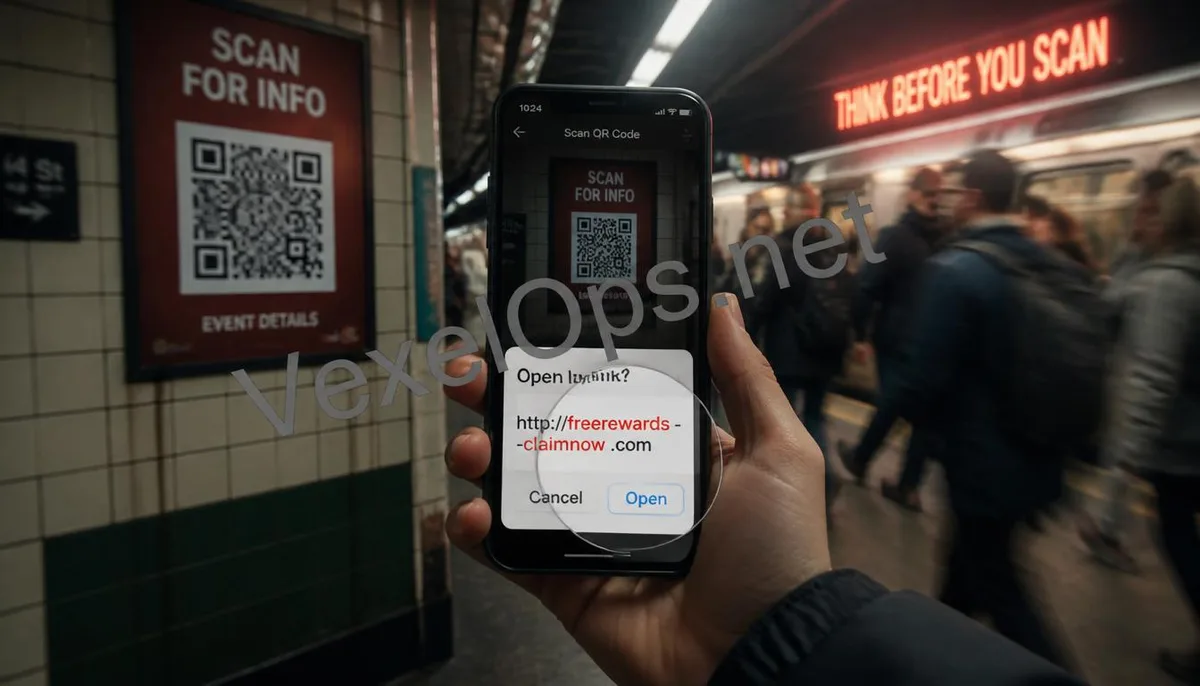
The purpose of QR Code technology is to enhance the efficiency of information exchange by encoding complex data into machine-readable graphics. However, these patterns made of black and white squares are completely unreadable to human vision, which is the core entry point for fraudsters to execute phishing attacks. When users scan a code, they often cannot predict the true target URL behind it, creating a trust gap that makes the code a perfect vehicle for transmitting malicious links. Experts point out that modern QR Code phishing has evolved from simple URL redirection to a complex multi-layered technical infiltration. Fraudsters exploit dynamic barcode technology to implement precise redirects within a very short time after the user scans the code. This method can effectively evade traditional email filters, as the malicious activity occurs solely on the user's mobile device. With the widespread adoption of scanning services, this invisible digital trap threatens account security for every user.
In-Depth Analysis: The Technical Pathways Used by Fraudsters to Steal Using Barcodes
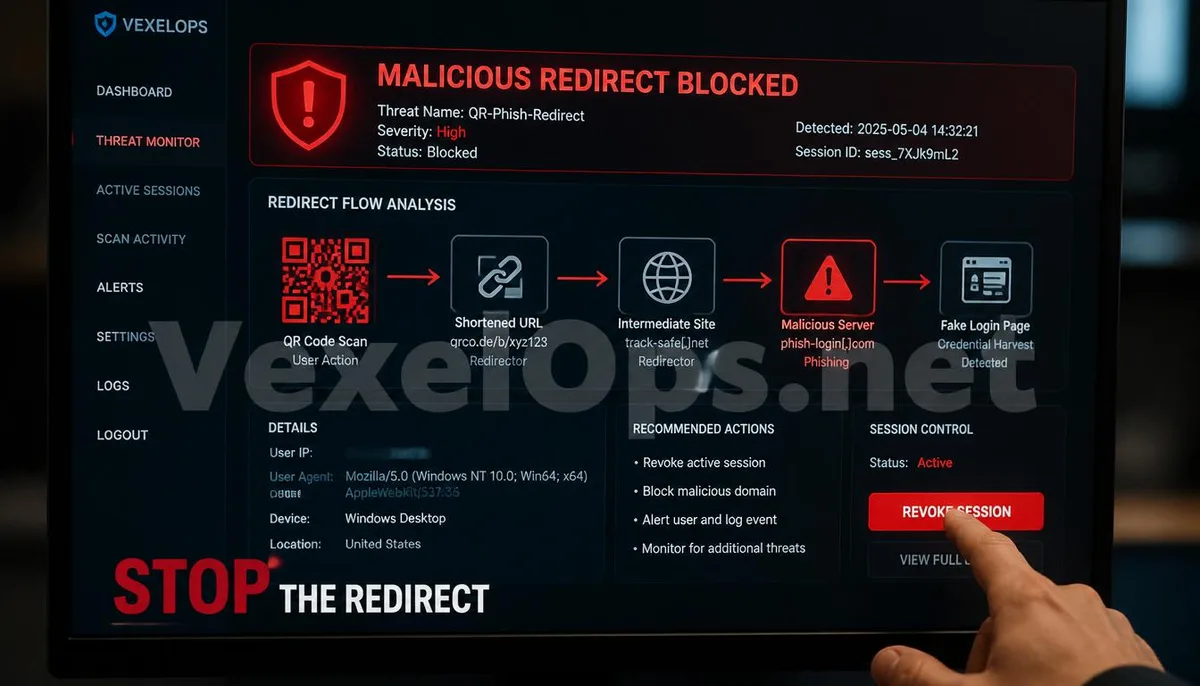
Physical Overlay and Forged Stickers: Fraudsters cover legitimate barcodes in public places with malicious barcodes. When users make payments or register, the traffic is directed to a phishing page controlled by the criminal organization, causing funds or credentials to be intercepted in real-time. Dynamic Redirection and Environmental Detection: Malicious barcodes developed by criminal organizations can detect the type of device. If it's a target victim, the system redirects to a highly disguised login interface; if it's a security scanner, it displays normal content, enhancing the stealth of the attack. Token Hijacking and Session Duplication: Some malicious barcodes lead users to download harmful configuration files. Once installed, fraudsters can directly read the Session Cookies in the browser and duplicate the user's login state without needing a password, taking over social accounts.
Security Boundaries of Scanning Authorization: Practical Prevention of Malicious Redirection
- Cultivate the habit of previewing URLs: After scanning a code, check the preview URL popped up by your browser first. If the domain does not match the expected service or contains a lot of meaningless characters, stop the connection
- Limit application authorization permissions: For requests that ask for account authorization after scanning, strictly review the scope of permissions. If a food ordering service requests access to your contacts or payment permissions, this
- Initiate professional cybersecurity connection audits: If you notice abnormal account activity after scanning an unknown code, VexelOps' technical team can assist you in auditing connection logs. We can track the redirect paths of
Establishing a Multi-Layered Defense System: Enhancing Scanning Security on Mobile Devices
Use tools with secure scanning features: Prioritize scanning tools that have built-in malicious URL comparison functions. These tools automatically check the safety of URLs before redirecting, providing the first filtering layer for your scanning actions, and effectively intercepting known phishing links. Risk assessment of the physical environment: Before scanning barcodes in public places, check for signs of pasting or covering. For high-risk actions like financial payments, prioritize using scanning functions built into official applications rather than generic third-party tools. Regularly clear browser cache and authorizations: Develop a habit of regularly clearing cookies and revoking unknown authorizations on your mobile device. This can shorten the time window for fraudsters leveraging token hijacking to implement attacks, ensuring your digital identity and sensitive accounts remain under controlled security.
Frequently Asked Questions About QR Code Phishing and Account Security
Why is it that I simply scanned a barcode, did not enter a password, yet my account was still hacked?
This is often because fraudsters have executed session hijacking or malicious token acquisition. When you scan a malicious code, it can induce your browser to execute hidden scripts that can read the Session Cookies of the account you are currently logged into. Since this data contains your login credentials, once fraudsters acquire it, they can simulate your identity on their server, completely bypassing passwords and two-step verification. Therefore, the web behavior after scanning carries a high risk, as malicious scripts can still complete credential theft without the need for password entry.
How can I verify that this code is not covered by fraudsters when making QR code payments?
In a physical environment, the simplest identification method is to touch and observe. Barcodes covered by fraudsters often exhibit subtle differences in thickness, misalignment at the edges, or discrepancies in reflectivity compared to the original poster. Additionally, after scanning the code, you can verify whether the displayed payee name matches the merchant's name. If personal names or unrelated company names appear, it is highly likely a trap set by a criminal organization. In high-risk payment scenarios, it is advisable to proactively ask the store to confirm the authenticity of the barcode.
What should I do if I accidentally scanned a malicious barcode and was redirected to a phishing page?
First, immediately disconnect from the internet by turning off Wi-Fi and mobile data, which can prevent malicious scripts from continuing to exchange data with the fraudsters' server. Then, clear all history, cached files, and cookies in your browser settings to ensure that the malicious code cannot stay. Lastly, seek professional technical assessment to analyze whether your device has been implanted with a lasting monitoring backdoor. A professional team can assist victims in evaluating the scope of data leaks and provide precise reinforcement solutions for affected accounts to prevent fraudsters from exploiting the stolen information for further harvesting.
One Key Takeaway: The core of QR Code phishing lies in visual unreadability and malicious redirections. By previewing URLs, assessing the physical environment, and utilizing professional cybersecurity auditing services, you can effectively navigate around barcode traps and safeguard digital payments and account permissions.