
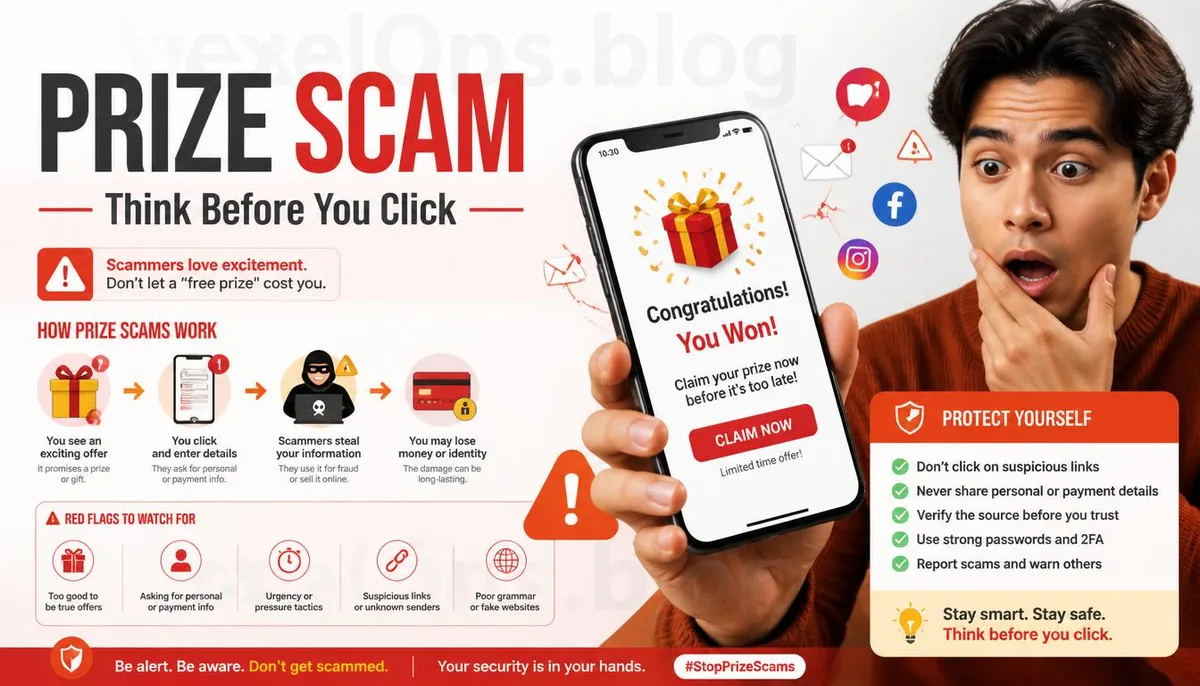
Why Do Winning Notifications Always Seem to Come Out of Nowhere?
Many people have likely received similar messages. Congratulations on being a lucky winner, free latest phone, claiming a high-value gift card for a limited time... just click the link or complete a simple verification to instantly claim your prize. Such content often comes with attractive images, well-known brand logos, and countdown timers, creating a sense of urgency that you could miss out on the opportunity. What to really pay attention to is that most people have never participated in the related activities but still receive winning notifications. This is one of the most common characteristics of lottery scams, utilizing users' curiosity and anticipation to guide them into clicking the link or providing personal information. Therefore, when receiving any winning messages, take a moment to think back and see if you really participated in that activity, instead of rushing to click on the buttons on the screen.
What Common Methods Do Lottery Scams Use to Gain Trust?
In recent years, scams have become much more sophisticated, with many fake activities designed to look very similar to official websites. Some directly impersonate well-known brand names like Apple, Samsung, Costco, Amazon, Google, or large chain stores. Others may disguise themselves as anniversary activities of airlines, banks, or telecommunications companies. Additionally, scammers often use terms such as "limited", "last day", "claim now", and "ends today" to deliberately create a sense of urgency, prompting users to complete the next steps without carefully verifying the source. If the activity page requires logging in, entering credit card information, paying processing fees, or even asking to share with more friends to claim the prize, it’s essential to be cautious and recheck whether the activity comes from an officially announced channel.
What Is the Real Purpose Behind Free Gifts?
Many lottery scams are not about giving away prizes but rather about obtaining more valuable information. For instance, some activities may require you to fill in your name, phone number, address, email, and even personal identity information; others may guide you to log into social media accounts to gain access rights or other personal data. Moreover, some activities might require upfront payment of a small shipping fee, deposit, or handling fee, which might not seem high, but the real purpose could be to obtain payment information, or even lead users into further scam processes. Thus, what truly needs to be considered is not the value of the prize, but why the counterpart is willing to provide these things for free, and whether you are inadvertently providing more critical information in exchange.
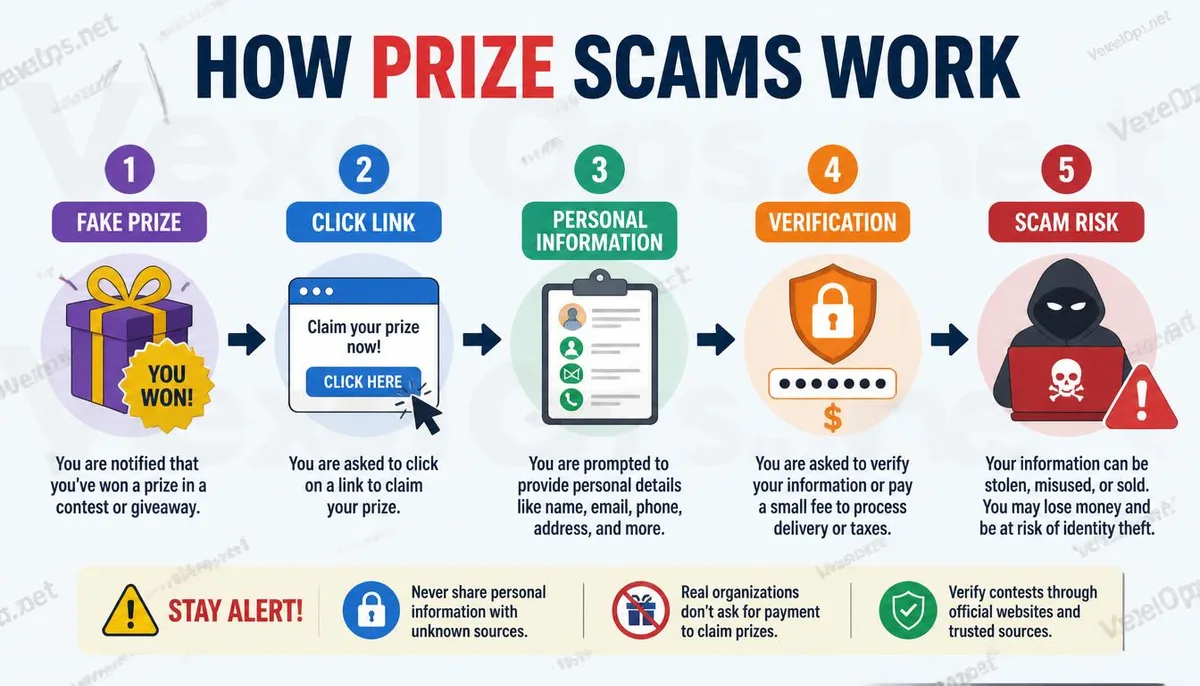
When Receiving a Suspicious Activity, What Key Areas Can You Check?
If you have doubts about the authenticity of the activity, spend a few minutes checking a few key points. First, you can directly visit the brand's official website or official social media platform to check for the same activity, instead of relying solely on the received link. Secondly, observe whether the web address matches the official domain, and if the activity content contains numerous spelling errors, unnatural translations, or overly exaggerated promises. Additionally, you can search for the name of the activity to see if other users have shared experiences or warned of related risks. If you still cannot determine the authenticity, do not rush to provide information or complete payment. It’s typically safer to retain the activity screen, URL, and related information, and then verify through official customer service to confirm things anew. Sometimes, professional digital safety information platforms can be used to cross-check suspicious websites or activity information. For example, VexelOps.blog continually summarizes various platform security knowledge and common scam cases. When encountering unfamiliar activities, doing additional verification is often more
Developing Verification Habits is More Important Than Remembering Every Scam
The forms of lottery scams will keep changing, and the name of activities that are popular this year may be entirely different next year. The ability truly worth cultivating is to remain calm when faced with unfamiliar activities, not to lose judgment because of "limited time", "free", or "last spot" offers. As long as you develop the habit of confirming official sources, comparing web addresses, checking activity information, and avoiding casually providing sensitive information, even if new scam techniques appear in the future, the risk of falling victim can be significantly reduced.
Common Questions About Lottery Activities
Is It Normal to Receive a Winning Notification Without Participating in the Activity?
Under normal circumstances, if you have not participated in related activities but suddenly receive a winning notification, you should be cautious and first verify whether the activity originates from an official source.
Do Official Activities Require Payment Before Collecting Prizes?
Different activities may have varying rules, but if the other party demands unreasonable fees, financial information, or account logins, it is advisable to confirm again through official channels.
Will Opening Lottery Links Always Result in a Virus?
Not necessarily, but some websites may contain malware, phishing pages, or require downloading unknown files, so avoid toying with curiosity. Confirm the source before deciding to browse.