

The First Warning Sign: It May Not Be About Borrowing Money
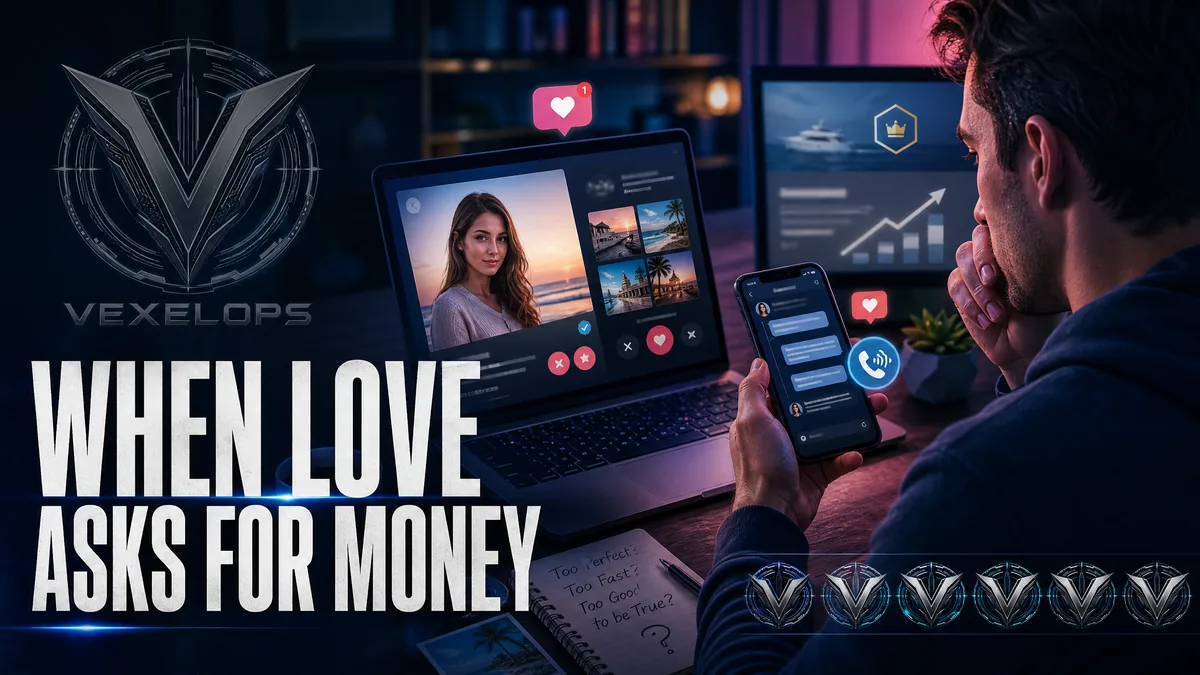
At first, you wouldn't think this is a scam. The person may actively like your profile on the dating app, their life in the photos appears stable, and their messages are polite. They won't immediately talk about money or make strange requests. On the contrary, they might greet you every morning, remember the little things you mentioned casually, and chat with you after work, making you gradually feel: this person really seems to understand me. After a few days or weeks, the other person invites you to chat on Instagram, Facebook, LINE, or WhatsApp. They might say the dating app has too many notifications or that they wish to have a more private space with you. This action itself may not raise any issues, but when all conversations move off the original platform, the verification of their identity, messages, and reporting records may become harder to confirm. The real turning point often comes when you've begun to trust the other person. It could be an investment opportunity, a family member in the hospital, a frozen account, visa issues, or a last-step cost. Once the emotional bond is established, financial requests no longer feel like the demands of a stranger, but like
Why Is the Perfect Match Online Particularly Easy to Trust?
Emotional scams don't necessarily rely on complex techniques. Many times, scammers value time, patience, and the content of the conversation more. They might first observe your public posts, work information, interests, and habits, then adjust their story to make the conversation seem like a naturally formed relationship between two individuals. The Federal Trade Commission points out that emotional scammers may first create fake accounts on dating sites or apps, or reach out through Instagram or Facebook. They build trust, frequently chat, and then fabricate reasons to ask for money. The terrifying aspect of this pattern is that victims often lose not just money, but also a relationship they once seriously believed in. Hackers and scammers should also be understood separately. Hackers are technical personnel with programming, systems, or network abilities; the term itself does not imply malice. Scammers, on the other hand, are individuals profiting from using virtual identities, emotional control, and false stories. The core of this article is not to view all technical personnel as bad people, but to recognize the behaviors that deceive by exploiting other people's trust.
Why Does the Risk Increase When a Dating Partner Suddenly Talks About Investment?
Some emotional scams introduce investment topics after a stable relationship has formed. The other person may initially say they are researching a certain investment, or they might share lifestyle photos, profit images, or seemingly professional market information. You may not be immediately asked to make a payment; they might first encourage you to register on a platform and then let you see the increasing numbers in your account. These visuals do not necessarily indicate real profits. The platform could be fake, account numbers might just be displayed by the website, and the so-called customer service could belong to the same scam team as the dating partner. When you try to withdraw, new fees, taxes, deposits, or account unlocking costs may suddenly appear. 165 National Anti-Fraud Station reminds us that scammers will use Facebook, Instagram, YouTube, Google, and Threads to spread false investment information, and will caution users that strangers won't help them make money. When the online romantic partner begins to tie love and investment together, the risks should not only be viewed through the lens of emotional issues. If the following situations occur simultaneously, you
- The other person refuses to meet face-to-face while continuously asking you to prove your trust.
- The other person describes the investment as a joint future for both of you.
- The other person claims a final payment is needed to withdraw or meet.
- The other person asks you not to tell family or friends.
- The trading platform provided lacks clear company information and official customer service channels.
A single situation cannot directly prove someone is a scammer, but when multiple signals appear together, you should stop increasing your investment. The deeper the feelings, the more you need to involve a third party for verification rather than just believing the other person's explanations.
Can Their Photos Prove They Are Real?
No. Photos could come from someone else's social account, or they could be edited, reused, or paired with fictitious names. Even if the person is willing to send more photos, it doesn't guarantee that the person in the images is who you're chatting with. You can observe whether the names, jobs, locations, and life stories are consistent across different platforms, and you can conduct reverse image searches on public photos. However, not finding results doesn't imply the other person is definitely their real identity, as new photos, private accounts, or low-exposure images may lack public records. More importantly, don't let verification turn into a confrontation with the other person. You don’t need to prove the other person is bad to justify pausing payments. Just the request for money, accounts, verification codes, or confidential documents gives you ample reason to stop and seek independent information.
Why Do People Continue to Believe Even When They Suspect It Might Be a Scam?
Because what victims believe in might not be a stranger's account but rather an interaction happening every day. When the other person remembers your habits, accompanies you when you are down, or promises a future together, the brain interprets these messages as evidence of a relationship. At this point, doubting the other person can feel like denying the time and emotions invested previously. Scammers may exploit this psychology, leading you to continuously explain away contradictions. You might tell yourself that they are just too busy at work, currently abroad, their phone is broken, or this particular loan is genuinely special. Each explanation allows you to invest a little more until both money and emotions become hard to separate. If you've started to have suspicions, you don’t need to wait for complete evidence to stop. You can pause remittances, inform trusted individuals, and organize conversations, accounts, URLs, payment records, and timelines. You still have the chance to stop before the losses expand.
If You Discover You Might Be Facing Emotional Fraud, Is There Still Hope?
Yes. Even if you've already made payments or provided some information, it doesn't mean all avenues of resolution have vanished. The sooner you stop contact and payments and begin gathering evidence, the greater the opportunity for banks, platforms, police, or anti-fraud channels to understand the incident. Don’t delete conversations out of shame, and don’t believe the other person’s claim that just one final payment will solve the issue. If you've made a transfer, used a credit card, gift card, or cryptocurrency for payments, you should immediately contact relevant financial services or trading platforms, explain that it is suspected fraudulent payment, and then seek assistance from the 165 anti-fraud hotline or police. VexelOps can assist in organizing dating account information, cross-platform conversations, photo clues, investment invitations, and payment requests into a clear event timeline, helping you to see the changes between relationship development and monetary demands. This organization does not require you to give out passwords or ask you to continue conversing with the other person.
Common Questions About Emotional Scams on Dating Apps
If My Dating Partner Reluctantly Refuses to Meet, Does That Mean They Are Definitely a Scammer?
Not necessarily. Some individuals may delay meeting due to distance, work, health, or personal safety considerations. However, if the other person is persistently refusing any reasonable identity verification while simultaneously asking for payment, investments, or sensitive data, the risk becomes significantly heightened. You don’t need to pressure the other person into meeting, and you don't need to publicly accuse them without proof. A safer approach is to stop financial transactions, keep conversation records, and let family or trusted friends help verify the consistency of their story.
Can I Trust Investment Platforms Recommended by My Online Lover?
You shouldn't trust an investment platform just because the recommender has a relationship with you. The other person may genuinely believe in the platform, or they might just be using a set of carefully crafted stories. The interface of the investment platform, profit figures, and customer service responses may all be fabricated or managed by the same team. Don't register using the links provided by the other person, and don’t continue investing just because you see profits on paper. Always check company, platform, and regulatory information from independent sources. If the other person demands confidentiality, guarantees profits, or pressures you to pay through emotional appeals, you should first stop and seek external verification.
What Can I Do If I've Already Transferred Money to My Online Partner?
First, stop all payments and contact; do not pay supposed unlocking fees, taxes, lawyer fees, or recovery costs. Save all relevant conversations, the other person's account details, platforms used, times of payment, recipient information, transaction URLs, and all imagery. This data may be more helpful for follow-up actions than merely describing the fraud. Next, immediately contact your bank, payment platform, or trading service, explaining that this is a suspected fraudulent transaction, and seek help from the 165 anti-fraud hotline or police. Remain cautious if the other person later claims they can help recover funds, as victims often become targets for second scams.
One Key Takeaway: Genuine emotions don’t need to be proven with money transfers; when your online lover starts asking for money, investments, or confidentiality, stop payments and verify with third-party information.