

The Gentle Trap: The Psychology and Technical Layout of Pig Butchering Scams
Pig Butchering (Pig Butchering Scam) is a complex scam method that combines emotional manipulation with false investments. Fraud groups arrange for professional scriptwriters to create highly attractive virtual personas on platforms like Tinder, Bumble, or Instagram. These personas often portray success, showcase refined lifestyle photos, and exhibit gentle and caring character traits, aiming to precisely capture victims' desire for emotional belonging. From a technical standpoint, these scams no longer rely on simple transfers; rather, they lead victims to download modified cryptocurrency exchanges or investment apps. These applications initially show false profit data and even allow small withdrawals to build deeper trust. Criminal organizations leverage big data to analyze victims' social habits and financial status, creating personalized pig raising cycles until victims invest all their savings, after which the final harvest is implemented. Understanding the logic behind the forgery of virtual identities is the first step in prevention. We must realize that the person on the other side of the screen may be part of a professional team comprising dozens of individuals. They
Identifying the Traits of Virtual Personas: Piercing Through the Digital Camouflage of Fraud Groups
Although fraud groups invest significant resources into packaging, they still exhibit characteristics of industrialized operations in their interaction details. By observing the behavior patterns of the other party, users can effectively identify potential pig butchering threats:
- Refusal of instant video calls: Always refusing to show their face under the pretext of poor internet or psychological trauma.
- Inducing a move off-platform: Quickly asking to switch to more secure messaging apps for private communication.
- Frequent mention of investments: Starting to showcase high returns and financial plans early in the relationship.
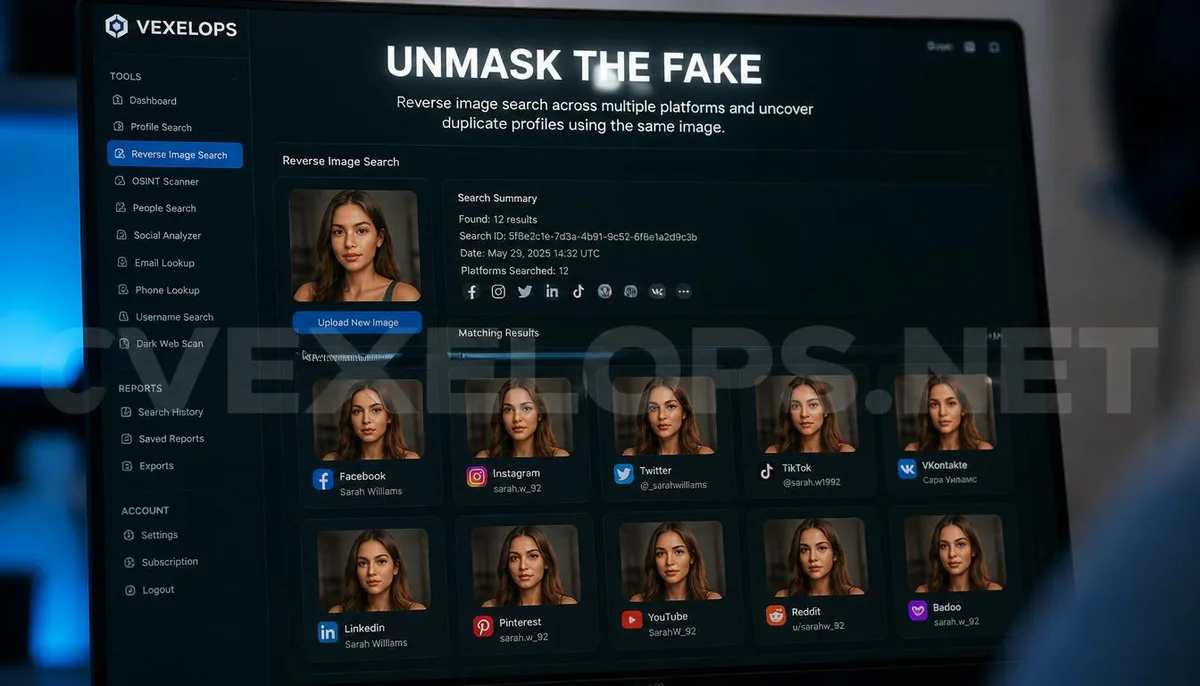
- Using stolen internet images: Photos are overly polished and can be found across various identities through reverse image search.
Protecting Your Digital Asset Security: Practical Advice to Prevent Investment Traps
Facing the threats of pig butchering, users must establish strict asset firewalls, ensuring that emotional interactions do not involve financial transactions. This is not only to protect their wallets but also to cut off the motivation sources for fraud groups.
- Stick to officially certified platforms: All investment activities should be limited to regulated and reputable exchanges.
- Initiate professional cybersecurity risk audits: If you suspect that the platform provided by your dating partner poses risks, VexelOps's technical team can assist you in conducting app reverse analysis and server node tracking. We will
- Implement strict information isolation: Do not disclose your bank balance, cryptocurrency private keys, or any private information that reflects your financial status to individuals you haven't met.
The Security Defense of Digital Identities: Establishing Long-term Defensive Awareness
Protecting oneself from dual strikes on emotions and finances requires long-term digital literacy. This includes auditing permissions on social media and critically verifying online information.
- Regularly clean social media footprints: Reduce sharing extensive life details publicly to prevent fraud groups from implementing precise psychological profiling.
- Learn basic counter-surveillance techniques: Use search engines to verify other person's photos and written content, identifying any repetitive script features.
- Establish a habit of seeking multiple sources of help: When the other party begins to request money, actively discuss with friends or professional organizations, as the perspective of an onlooker can often instantly expose the scam.
Common Questions about Pig Butchering Scams in Online Dating
Why can the other party video chat with me, yet they are still a member of a fraud group?
Modern fraud groups have begun utilizing deepfake technology for real-time face swapping. Even if you see a handsome man or woman on screen, behind that image could be a scammer operating AI software. Additionally, some criminal organizations hire models for brief video openings to gain trust, while subsequent text communications are handled by professional script teams. Thus, video chat is no longer an absolute standard for identity verification. If the other party's conversation continually revolves around money and investment, it still possesses high characteristics of pig butchering.
I see my wallet balance increasing on the platform provided by the other party; isn't this real profit?
This is entirely false data modified by the fraud group in the background. These illegal apps are not connected to real market trading environments; all candlestick charts and balance figures are illusions created by the criminal organization to induce you to invest more money. Fraud groups use this sense of virtual profit to numb the victims' vigilance. When you try to withdraw a large sum, the platform will require you to pay additional fees under pretexts like paying taxes, margins, or account irregularities. This is a continuous harvesting method until you can no longer provide any funds.
If I find myself caught in a pig butchering scam, how should I seek technical support?
First, immediately cease all communication with the other party and stop investing any money into that platform. Then, you need to keep all chat records, transfer vouchers, and download links for the fraudulent app. These data are crucial for subsequent technical tracking. Lastly, seek assistance from a professional cybersecurity team. Experts can help you analyze the server architecture of the fraud platform and determine where your funds have flowed into cryptocurrency wallets. Through professional on-chain tracking and data modeling, victims can obtain technically credible asset flow reports, which play a critical supporting role in filing reports with law enforcement or implementing subsequent asset interceptions.
One Key Takeaway: The core of pig butchering scams lies in virtual identities and false profits. By identifying abnormal behaviors, sticking to official investment channels, and leveraging professional cybersecurity auditing services, you can effectively penetrate the emotional fog and safeguard your digital assets and personal privacy.