

Gay dating apps are convenient, but safety awareness is necessary
Grindr, Blued, Hornet, Jack’d, Scruff, and even Tinder make it easier for gay users to meet new friends, establish connections, find dates, or engage with communities. For many, these platforms provide a more convenient and direct way to communicate. However, dating apps inevitably involve personal data, photos, real-time location, chat content, and interactions with strangers, so special attention to privacy and safety is required when using them. The platform itself is just a tool; the real risks usually stem from usage habits. For instance, quickly disclosing personal identity, sharing private photos, enabling overly precise location tracking, believing in fake accounts, or clicking links, transferring money, or meeting before confirming the other person's identity can be risky.
Don't enable overly precise location data
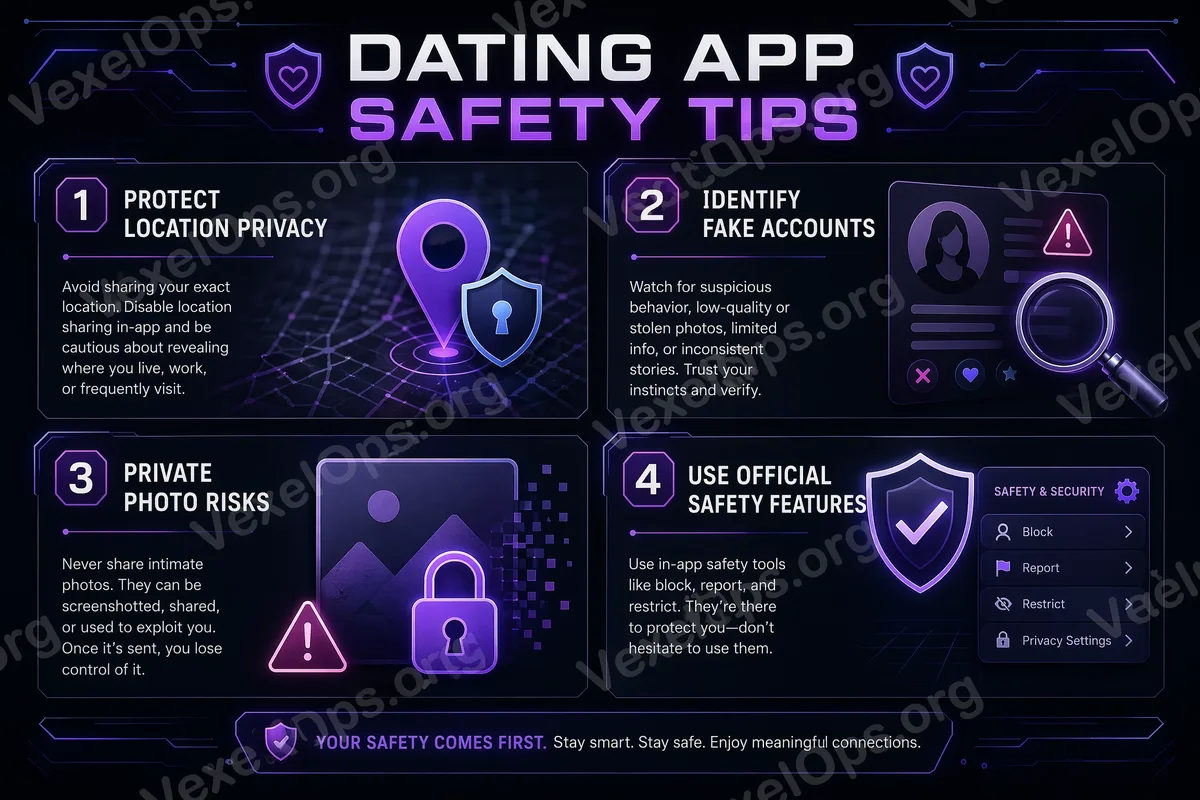
Many dating apps use location or distance features to help nearby users connect. This feature is convenient, but it can also pose privacy risks. If the distance displayed is overly precise, strangers may deduce your home, workplace, frequent locations, or living area through multiple observations. For privacy-conscious users, this is particularly important. It's recommended to check the location permissions on apps like Grindr, Blued, and Hornet to ensure they aren't overly open. If precise location isn't necessary, you can disable precise location tracking or allow the app to access your location only while using it. Also avoid keeping high-precision location features enabled in your home, workplace, school, or fixed locations for extended periods.
Be cautious when sharing personal and private photos
On dating platforms, photos are important for making first impressions. However, photos can also expose your identity, location, or lifestyle background. For example, images might reveal your home environment, company background, license plates, house numbers, uniforms, documents, screens, or other identifiable information. Once this content is screenshot or forwarded, it may not be fully recoverable. For more private photos, extra caution is essential. Don't rush to send content you don’t want to share just because the other person is urging you, complimenting you, requesting exchanges, or applying emotional pressure. Those who truly respect you should also respect your boundaries.
Stay alert for fake accounts and catfishing
On dating apps, you may encounter fake accounts, catfishing accounts, or people with unclear identities. They might use very attractive photos with little information; they might also request to switch to other messaging apps soon after you've met. This doesn’t mean that people with less information are always problematic, but if they refuse any basic identity verification and quickly ask you for photos, personal info, money, or to click external links, you need to be vigilant. Common warning signs include: overly perfect-looking photos, very scripted chat content, avoiding real interaction, quickly discussing investments or money, asking you to download unknown apps, or requesting you to click external links.
Be cautious of financial requests and investment invitations
Scams on dating apps may not be obvious at first. Some individuals build intimacy initially, then slowly introduce discussions about money, urgent needs, account issues, cryptocurrencies, or investment platforms. If the other person starts asking you to lend money, recharge, help with payments, buy gift cards, invest in certain platforms, or claims they can help you make quick money, it's time to stop. Be particularly wary of situations where they establish a relationship first, then lead into investment discussions. These scams often present themselves naturally, sometimes starting just with chatting before gradually bringing up profits, insider opportunities, or joint futures. If it involves unknown platforms and transfers, proceed with extreme caution.
Avoid clicking on suspicious links and unfamiliar apps
Some fake accounts may ask you to click links, such as to view photos, join private albums, verify identities, claim gifts, activate memberships, or download specific chat tools. These links may lead to phishing sites that request your account password, phone number, email, or verification codes. They may also require you to install unknown apps, putting your device or personal data at risk. If you need to use a platform, it's best to search for it on official app stores or official websites rather than downloading or logging in through links provided by strangers.
Ensure basic safety checks before meeting
If you decide to meet offline, it's advisable to choose public places and avoid going to overly private or secluded locations for the first meeting. You can also inform trusted friends about where you are going and what time you're meeting, while retaining basic contact information. There’s no need to be overly anxious before meeting, but maintaining basic safety awareness is essential. Don’t immediately disclose your home address, workplace, detailed itinerary, or sensitive personal data. If the other person disrespects your boundaries or constantly pressures you into uncomfortable situations, reconsider whether to meet.
If you encounter extortion or threats, don’t panic and pay
A more serious risk involves someone acquiring photos or chat content and threatening to disclose, forward them to friends, or post them online in exchange for payment. Such situations can be very unsettling, but paying directly may not solve the issue and could lead to further demands. If you face such threats, first preserve evidence including the other person’s account, chat records, payment requests, links, and screenshots. Avoid providing more information and refrain from sending additional content. You can report the account to the platform and seek trusted assistance based on your location.
Core principles for safely using dating platforms
Apps such as Grindr, Blued, Hornet, Jack’d, Scruff can serve as tools for meeting friends and building connections, but you still need to protect your privacy, location, photos, and account security. The most practical principles are: don’t quickly disclose personal identity, don’t share excessive photos or location, don’t click on unknown links, don’t let financial requests control you, and ensure basic safety checks before meeting. Interactions on dating platforms can be genuine, but sincerity does not equal relinquishing self-protection. Those who respect you should also respect your boundaries, privacy, and sense of security.