
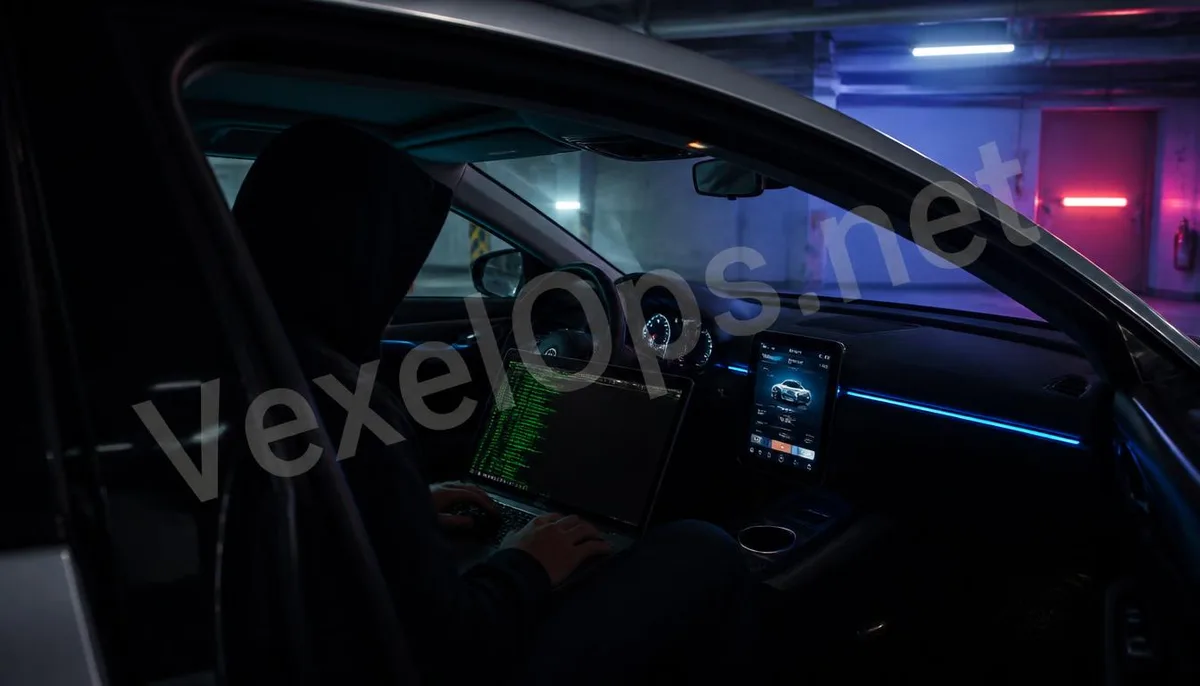
The Hidden Concerns of Onboard Computers: The Digital Challenges of Smart Vehicles
Modern cars are no longer just mechanical devices; they resemble mobile computers equipped with hundreds of sensors and dozens of electronic control units (ECUs). From advanced driver assistance systems to entertainment platforms, and from remote start to mobile app control, the high connectivity of smart vehicles provides unprecedented convenience to drivers. However, this deep integration of digitization also exposes vehicles to the risks of cyberattacks. Fraudsters and technical challengers are targeting these 'onboard computers', attempting to exploit software vulnerabilities and communication protocol flaws to illegally control vehicles or steal sensitive data. The complexity of in-vehicle systems far exceeds that of typical consumer electronics. They involve multiple operating systems and millions of lines of code, requiring real-time communication with external cloud services, mobile apps, and other vehicles. Any one of these vulnerabilities could serve as a break-in method for hackers. For instance, remote diagnostic ports, wireless update mechanisms, or even mobile apps connected to the vehicle can be exploited to implant malware or gain control. Understanding these
The Technical Path to Remote Hijacking: How Hackers Control Smart Vehicles
When executing remote hijacking of smart vehicles, hackers typically target the software layers of the in-vehicle systems or communication protocols for precise attacks. Their goal is to gain control of the vehicle without the owner's knowledge, potentially influencing its physical behavior. Here are the current most common penetration methods:
- Exploitation of software vulnerabilities: Attacking known or unknown vulnerabilities in the in-vehicle entertainment system, navigation system, or remote update modules to implant malicious code and gain system access.
- Communication protocol hijacking: Intercepting communications between the vehicle and cloud services through man-in-the-middle attacks or forged base stations, altering commands or stealing data.
- Mobile app penetration: Exploiting security vulnerabilities in vehicle control apps or using malicious apps to steal user login credentials, allowing for remote control of vehicle functions.
The ultimate goal of these technical measures may involve stealing vehicle location information, unlocking doors, starting engines, or even interfering with driving systems. This not only results in financial loss for owners but could also pose significant public safety concerns.
Establishing an In-Vehicle Cybersecurity Defense System: Protecting Safe Boundaries for Smart Travel
Faced with potential threats to smart vehicles, both owners and manufacturers need to implement multi-layered defense measures to ensure the digital safety of vehicles. This involves not only software updates but also rigorous reviews of communication protocols.
- Regularly update the in-vehicle system: Timely install software and firmware updates released by manufacturers to patch known security vulnerabilities.
- Be cautious in using third-party apps: Only download vehicle-related apps from official app stores and carefully review their requested permissions.
- Enable multi-factor authentication: For remote control apps, always enable two-step verification to prevent account credentials from being stolen.
Beyond the basic operations mentioned, the VexelOps technical team can assist you in conducting in-depth security audits of your in-vehicle systems. We can identify potential vulnerabilities in vehicle communication protocols and analyze the security status of mobile apps, helping owners build a more comprehensive digital defense.
The Future of Smart Vehicles: Strengthening Security from the Design Source
With the development of autonomous driving technology, the security of smart vehicles will become even more crucial. Future defense strategies need to start from the design source of vehicles, embedding cybersecurity into every development stage. This includes the application of secure chips at the hardware layer and adhering to zero-trust principles for the software architecture.
- Implement strict supply chain security: Ensure that every component of the in-vehicle system, from chips to software, undergoes strict security audits to prevent malicious code from being implanted during production.
- Establish real-time threat monitoring platforms: Vehicle manufacturers should set up a 24/7 monitoring system to promptly detect and respond to network attacks against vehicles, and quickly fix vulnerabilities through OTA (Over-The-Air)
- Promote industry cybersecurity standards: Governments and industry organizations should jointly establish stricter in-vehicle cybersecurity standards to ensure that all smart vehicles possess sufficient defensive capabilities, protecting
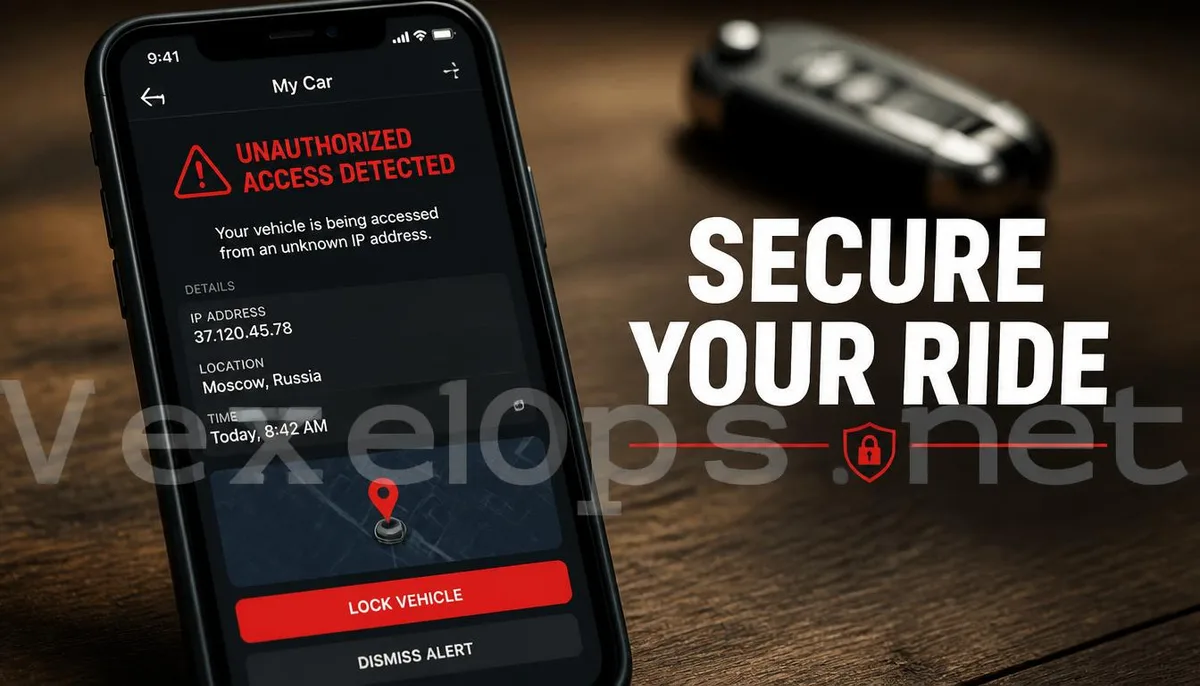
Frequently Asked Questions about Smart Vehicle Remote Hijacking and Prevention
Can hackers really remotely control my vehicle, such as unlocking or starting it?
From a technical standpoint, this is indeed possible. Many smart vehicles have remote unlocking, engine starting, and air conditioning features, typically achieved through communications between the in-vehicle systems and cloud services. If hackers successfully breach the in-vehicle systems or hijack the related mobile app accounts, theoretically they could send these control commands. However, the practical difficulty is high, as vehicle manufacturers typically implement multi-layered security protections, such as encrypted communications, multi-factor authentication, and physical isolation. Nonetheless, there have historically been cases where researchers successfully remotely controlled vehicles, prompting the automotive industry to continuously enhance cybersecurity protection levels. Therefore, vehicle owners should remain vigilant and ensure that vehicle software and apps are always up to date.
If my vehicle has no internet capabilities, is there still a risk of hacking?
Even if your vehicle lacks direct internet capabilities, it is not entirely free from hacking risks. Hackers could still attack vehicles through physical contact. For instance, they may insert malicious devices into the OBD-II diagnostic port or exploit vulnerabilities in the vehicle's wireless communication modules (like Bluetooth, Wi-Fi) for close-range attacks. Furthermore, many modern vehicle keys use wireless radio frequency technology, which could also become an attack target. Hackers could employ a relay attack to amplify the key signal within a certain distance and unlock the vehicle. Therefore, even traditional vehicles should pay attention to physical security and routinely check for any unusual modifications or unidentified devices.
If I suspect my smart vehicle has been compromised, how do I conduct a technical forensic investigation?
Firstly, you should immediately contact the vehicle manufacturer or authorized service center and explain your concerns about potential vehicle compromise. They typically possess specialized diagnostic tools capable of checking the logs of in-vehicle systems to determine if there are abnormal access or operation records. At the same time, keep all login records and activity logs related to the vehicle's mobile apps. If you suspect your app account has been hacked, change your password immediately and enable two-factor authentication. Finally, the VexelOps technical team can assist you in conducting an independent cybersecurity assessment, analyzing the communication protocols and software versions of the in-vehicle systems to determine if known vulnerabilities have been exploited, and provide a detailed intrusion analysis report, which is critical for subsequent legal accountability or insurance claims.
One Key Takeaway: The core of smart vehicle security lies in software updates and communication protection. By regularly updating systems, cautiously using apps, and utilizing professional cybersecurity audit services, you can effectively prevent remote hijackings and protect the safety and privacy of smart travel.