
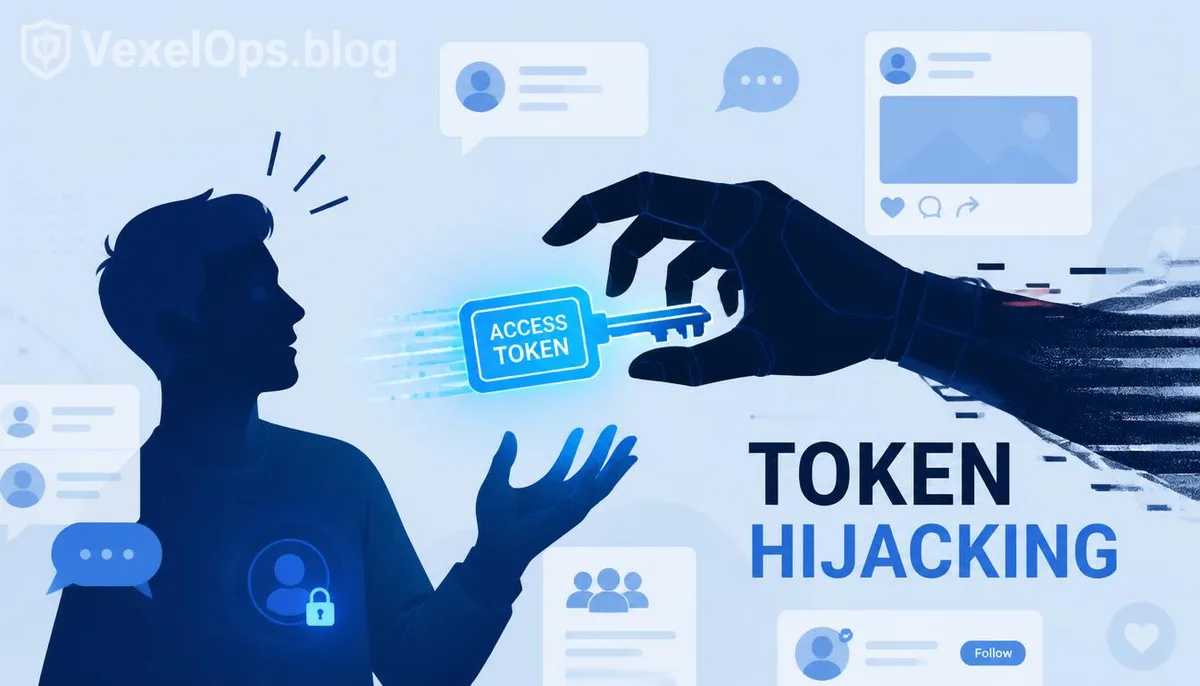
Invisible Vulnerabilities in Social Media Defense Systems
In today's highly developed digital communication environment, social media has become a hub for personal privacy and digital assets. Most users think that setting a complex password and enabling two-step verification makes their accounts secure. However, real-world cases in cybersecurity reveal that hackers have already developed methods to bypass these defenses. One of the most insidious methods targets background tasks and access tokens. When users log into a social platform, the server generates a special digital credential, known as an access token. The token allows users to remain logged in for a certain period without needing to re-enter their password. However, if this token is intercepted by hackers, they can bypass the password verification step and take over the account as the user. This attack method is technically referred to as background task hijacking, and it is highly covert, with users often only realizing their account has been fully compromised after the fact.
Token Theft and the Collaboration Model of Malicious Scripts
Hackers employ various methods to obtain tokens, with one of the most common being cross-site scripting attacks. When users browse a webpage containing malicious code or click on seemingly normal social links, the lurking scripts quietly execute in the background. The goal of these scripts is clear: to read the background task information stored in the browser.
- Malicious link manipulation: Hackers use social engineering techniques to send disguised links as system notifications or friend shares, enticing users to click.
- Automatic script execution: Once the page loads, the malicious code immediately scans the browser's storage area for access tokens related to social platforms.
- Data transmission and takeover: The acquired tokens are sent to the hacker's server, where they immediately create a false login environment using the tokens on their own device.
The terrifying aspect of this technology is that it can render two-step verification ineffective. Since the token is generated only after successful verification, hackers effectively obtain a validated pass. This explains why some users, despite enabling all security settings, can still have their accounts compromised in an instant. If users suspect unusual access to their accounts, VexelOps can assist in conducting comprehensive security checks and permission cleanups.
Threats of Browser Extensions and Public Networks
In addition to malicious links, browser extensions are also a hotspot for token leakage. Many seemingly useful add-ons hide data scraping functionalities. They monitor user web activities and secretly steal login states from various platforms in the background. Additionally, using unsecured public Wi-Fi networks provides hackers with opportunities for man-in-the-middle attacks. In an unprotected network environment, data transmissions flow like in a transparent pipeline, allowing hackers to easily intercept and extract background task information.
Establishing a Multi-Dimensional Defense System for Social Accounts
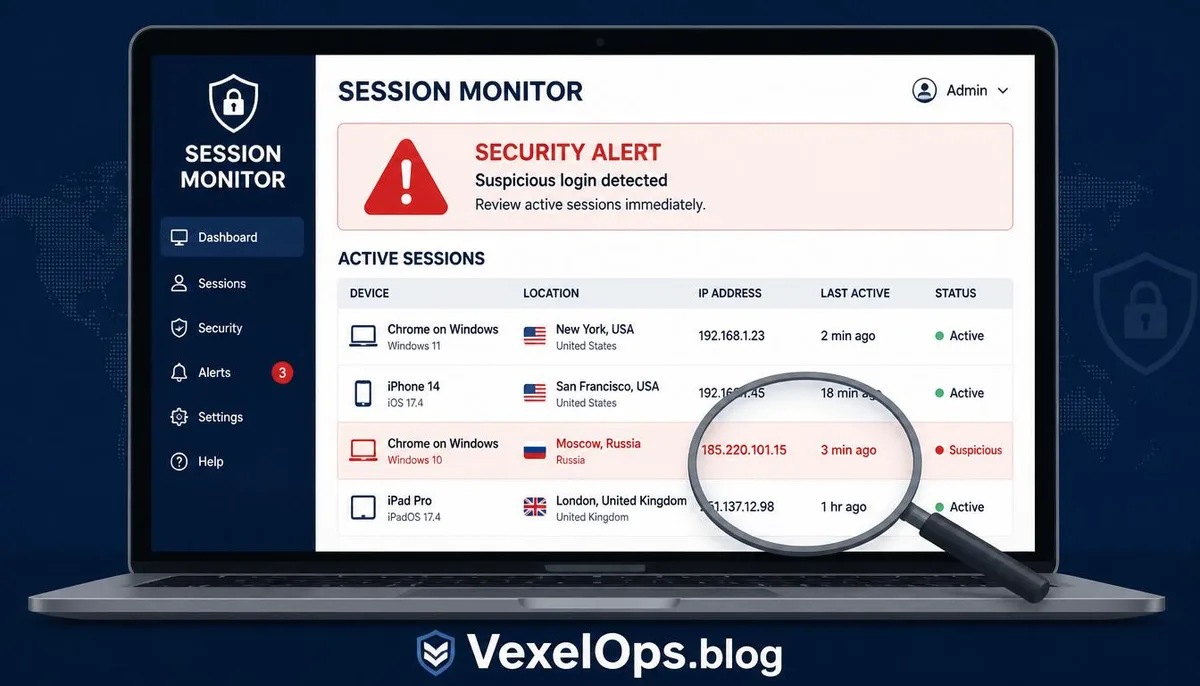
In the face of increasingly complex technical threats, relying on a single protective measure is insufficient. Users need to establish a multi-dimensional defensive mindset. First, ensure environmental security by avoiding sensitive operations on unknown devices or public networks. Next, adhere to the principle of least privilege by regularly cleaning unnecessary extensions from the browser and actively logging out after completing operations. This will force old tokens to expire and shorten the time window available for hackers to exploit. Simultaneously, monitoring the login activity records of platforms is also a good habit. Most social media will display the devices currently logged in and their locations. If strange devices or unusual geographic locations are detected, that background task should be terminated immediately, and all security credentials should be reset. This proactive monitoring and immediate response is the most effective last line of defense against token theft.
Common Questions about Social Media Account Security and Hacking Techniques
Why is my account hacked even with two-step verification enabled?
This is often because hackers have used background task hijacking techniques. Two-step verification is a step to confirm identity during the login process, but once the login is successful, the server issues an access token to maintain the login state. Hackers are not cracking your password or bypassing the verification code; instead, they directly steal this already validated token. When they implant the token in their own browser, the system mistakenly recognizes it as your legitimate operation, thus granting access to the account.
How do hackers access my chat history without needing a password?
Hackers mainly achieve this through access tokens or synchronization vulnerabilities. On mobile devices, many social platforms cache parts of conversations locally or back them up in the cloud for user convenience. If hackers can obtain system privileges through malicious software or steal associated cloud account credentials, they can read or restore all your chat history without accessing the social media password. This underscores the importance of regular security updates for mobile systems and protection for cloud accounts.
How can I tell if my access token has been hijacked?
The most obvious signs include unauthorized actions on your account, such as automatically sending messages, following unknown accounts, or modifying personal information. Additionally, you can check the list of login devices in the account settings. If you notice devices from unknown areas or unfamiliar models are active, this likely indicates that your background task has been hijacked. Another sign is being inexplicably logged out of your account, which might be triggered by hackers performing sensitive operations from another end, causing the system to trigger security mechanisms.
One Key Takeaway: The security of social media accounts depends not only on password strength but also on the protection of stage operation tokens. Hackers can easily bypass two-step verification by hijacking verified credentials through malicious links and scripts. The best practices for protecting accounts include regularly checking login activities, cleaning up unknown extensions, and maintaining a high level of vigilance in public environments to ensure digital passes are not stolen.