
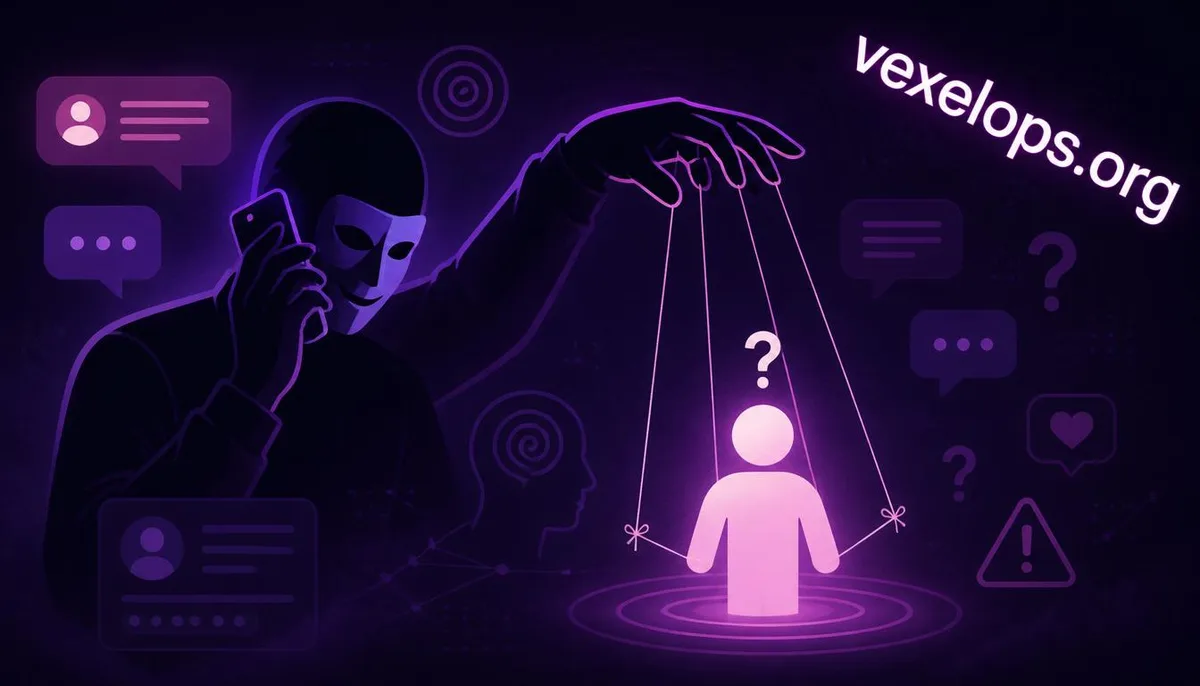
The Core Logic of Social Engineering Attacks: Don’t Attack Systems, Attack People
The biggest difference between social engineering attacks and brute-force or dictionary attacks is that social engineering completely bypasses any technical defenses. The hacker's goal is not to guess your password but to trick you into saying it or entering it into what appears to be an innocent place. These attacks are effective precisely because they exploit human traits like trust, anxiety, urgency, or curiosity, which can lower a victim's natural vigilance when their emotions are manipulated. Understanding the design logic behind these techniques is crucial for recognizing them when they occur.
Step 1: Designing the Situation to Establish a Trustworthy Role and Scenario
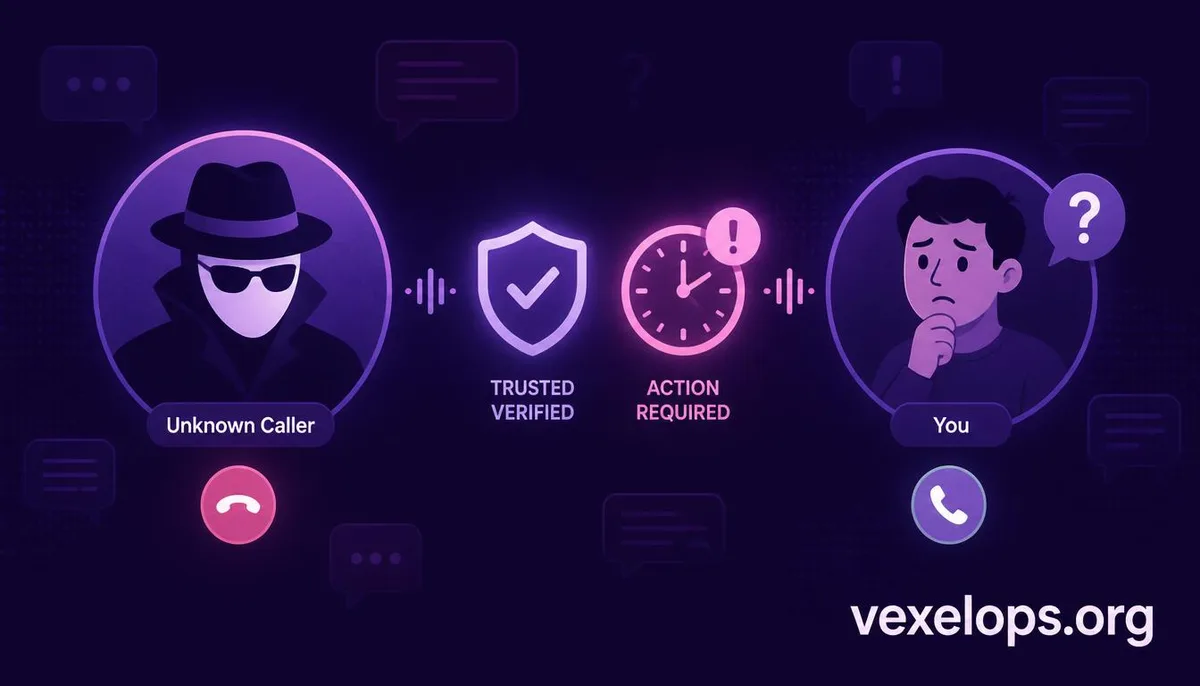
Most social engineering attacks begin by designing a situation that lowers the victim's guard. Hackers often impersonate roles that the victim is familiar with or trusts, such as bank customer service, IT department staff, delivery personnel, or official accounts on social media. The purpose of this role setup is to make the victim classify the perpetrator as trustworthy from the very beginning. For instance, a phone call claiming to be from the bank that accurately recites some of your personal information (perhaps previously leaked data) can make it difficult to suspect at first.
Step 2: Creating a Sense of Urgency, Compressing Your Thought Time
Once a trusting scenario is established, the next step is often to create a situation of urgency that leaves the victim with little time to think or verify the truth. Common phrases include that an account will be locked soon, unusual login attempts have been detected, packages will soon be returned, or time-limited offers are about to expire. This design of time pressure is no accident; when people are anxious or tense, their ability to make rational judgments often decreases, making them more likely to act according to the instructions given without questioning the identity of the person on the other end.
Step 3: Guiding the Victim to Voluntarily Provide Information
When trust and urgency have been established, the attackers will proceed to their main goal: guiding the victim to willingly provide passwords, verification codes, or click on phishing links. Common tactics include asking you to provide an SMS verification code "for identity verification", directing you to a fake login page that looks almost identical to the legitimate one to input your account credentials, or asking you to forward or verify certain information, which is actually testing your willingness to cooperate as a setup for deeper attacks. At this stage, the key is that victims often believe they are just "cooperating with verification" or "helping to resolve an issue" and are completely unaware that they are handing over critical information.
Why These Techniques Are Effective in Reality
Social engineering attacks remain effective not because victims are particularly careless, but because these techniques have evolved over time to precisely correspond with human instinctive reactions to authority and urgent situations. Even individuals who are generally aware of cybersecurity can still make decisions inconsistent with their usual judgment in emotionally charged or information-asymmetry situations. This is why cybersecurity education commonly emphasizes that preventing social engineering cannot be solely reliant on increasing vigilance; it also requires establishing fixed verification processes and habits.
How to Identify and Block Social Engineering Attacks
- Any call or message requesting your full password or verification code should be regarded as highly suspicious; legitimate organizations won’t verify identity this way
- When faced with claims of abnormal account activity requiring immediate action, pause and verify through official channels (official websites, customer service numbers) rather than responding to the provided contact information
- Be vigilant about unfamiliar links; first, verify that the URL completely matches the official domain before considering entering any account information
- Establish verification habits among family and colleagues; when faced with requests for money or sensitive information, use a separate channel to confirm the identity of the requester
- Enable two-step verification for important accounts to add an extra layer of protection, even if a password is accidentally leaked.
Understanding Attack Logic to True Defensive Awareness
Understanding the complete operating logic of social engineering attacks is not meant to make individuals suspicious of all calls and messages, but rather to assist readers in establishing a basis for judgment when encountering suspicious situations. The safety of passwords and private information is never just a technical issue; it is also a psychological one. The clearer you are about how these techniques are designed step by step, the more you can take an extra second to think during critical moments rather than just following the script provided.