
When private images are leaked, the initial response is often not anger
You may have seen it in a strange message, or perhaps a friend sent you a blurry screenshot asking if it was you. The image only appears for a few seconds, yet you already know that the issue is no longer confined to your phone. Next, you'll receive a message: If you don’t pay, more people will see it. The account may use a strange name or pose as a platform customer service, friend, or someone you once knew. You don’t know how many files they have or if the threat will truly occur. Remember one thing: the leak of the image is not the victim's fault; the threats and extortion are the problem. Don’t delete everything out of fear or shame, and don’t rush to pay the perpetrator.
Why deleting evidence or paying can complicate matters?
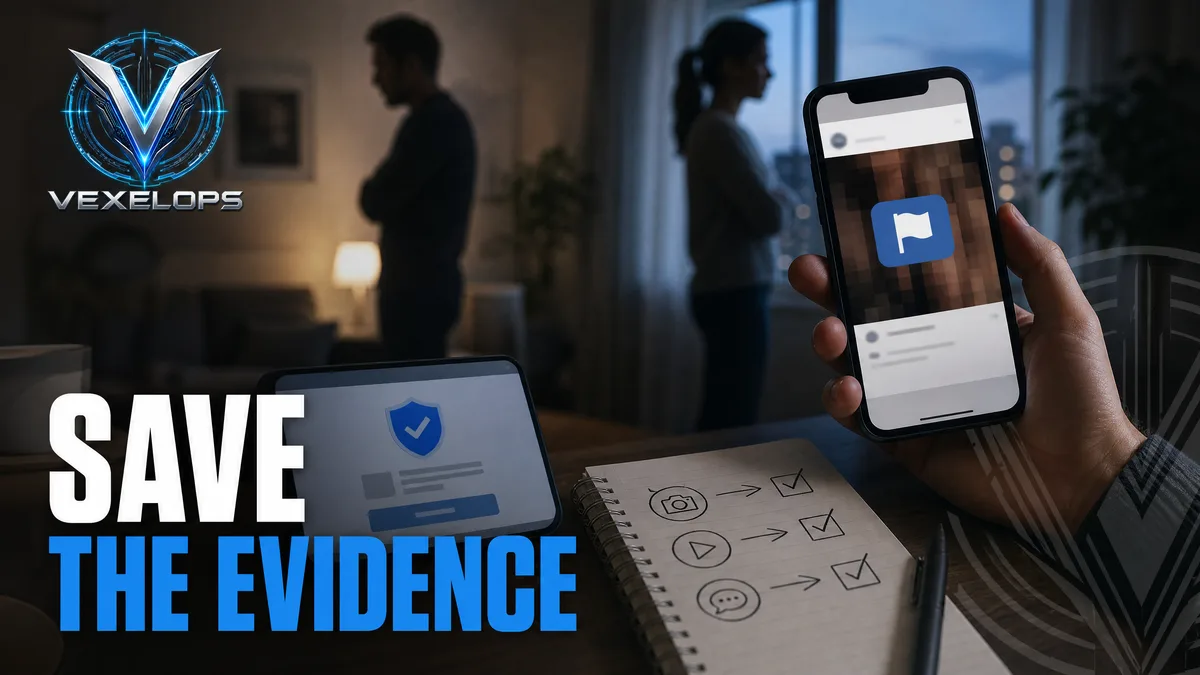
Deleting conversations, accounts, URLs, and notifications can cause you to lose data that explains the timeline of the incident. Paying does not necessarily make the images disappear, as the perpetrator may ask for more money or interpret your payment as a willingness to negotiate further. The Ministry of Health and Welfare's Center for Handling Sexual Images advises maintaining calm when facing incidents involving sexual imagery. Don’t delete evidence out of threats or intimidation, and don’t agree to the perpetrator's conditions. Official recommendations include preserving the leaked URLs, page screenshots, and key conversations along with the perpetrator’s account, then increasing privacy settings on social media and communication apps. You can record the following information, but do not download or transmit images just to gather evidence:
- Name of the platform, group, or website where the image was posted.
- URL and time on the page where the image appeared.
- Account names, user IDs, and message content of the disseminator or threatener.
- Amount of money demanded, payment methods, and deadlines.
- Original messages provided by friends or others who informed you.
When taking screenshots, you can obscure unnecessary image content, leaving only recognizable platform, account, URL, and threatening text. Do not share the images with more people, and avoid using unfamiliar sites that offer quick removal or tracing services.
What safety measures can be taken after a private image leak?
The first step is to stop arguing with the threatener. Don’t respond repeatedly, don’t comply with their requests to record new content, and don’t provide personal information such as ID numbers, passwords, verification codes, or other private data just to prove your identity. If the perpetrator knows your social media account, temporarily increase your account's privacy settings, check for strange logins and third-party authorizations, and have a trusted person accompany you in handling the situation. The second step is to protect accounts that are still safe. Change the passwords of important accounts from trusted devices, avoid using the same password across all platforms, and enable multi-factor authentication. If the threatener has access to your email or social media account, check backup email, login devices, forwarding settings, and authorized applications first. The third step is to not place the blame on yourself. Victims may feel ashamed for having previously filmed, sent, or trusted a certain person, but dissemination without consent or using that as a threat is not reasonable behavior just because the image was once recorded or sent. The earlier you find someone you
How to file a complaint for de-listing and seek formal assistance?
Taiwan's Ministry of Health and Welfare has established a Center for Handling Sexual Images, which provides consultations and online complaint filing for sexual imagery cases. The official website states that complainants can provide the leaked URL, complaint reasons, and related evidence for the center to assist in the removal process. The center also offers online consultations and service hotlines from 9:00 AM to 10:00 PM daily. When filing a complaint, be sure to use the correct email to receive confirmation letters, case numbers, and results. If you have saved multiple URLs, you can start by creating a simple list to record the platform, URL, account, discovery time, and current status. Do not publicly post complete URLs and do not call on social media for others to help search, as this may increase the exposure of the images. If the incident involves extortion, account intrusion, continued threats, or personal safety, in addition to filing a complaint for de-listing, you can also report to the police and bring the preserved data. If someone you know is facing such an incident, the most helpful approach is to accompany them, assist in organizing evidence, and find formal
Common Questions About Leaked Private Photos and Extortion
Should I believe someone who says they will delete the image if I pay?
Do not see paying as a guarantee that the image will be deleted. The threatener may come back with new amounts, deadlines, or conditions after receiving payment, or they may use your payment to determine your likelihood of continuing to respond. In this situation, continuous negotiation may lead to greater losses. What’s more important is to first save threatening messages, payment requests, and account information, and then stop responding while seeking formal assistance. If you have already made a payment, do not continue to pay out of fear; retain the transaction records and explain the situation to your bank, payment platform, police, or relevant complaint units.
Can I file a complaint for de-listing if I haven’t saved the complete image?
You can start organizing with the information you have. Leaked URLs, website names, posting accounts, threatening conversations, page screenshots, and discovery times can all help relevant parties understand the incident. Do not demand friends to forward images just to obtain the complete image, nor should you download or preserve others' private images yourself. If you currently only have partial information, you can explain this honestly when filing a complaint or seeking advice. If new URLs or accounts are discovered later, you can provide this information through the case channel. The point is not to centralize all images in your hands but to provide sufficient identifiers regarding the source and the distribution location.
If my friend's private image is leaked, can I help by forwarding it to them for confirmation?
It is not advisable to forward the images. Even if your intent is to inform your friend, forwarding them may still increase the range of dissemination and leave copies on more devices. You can only send the platform name, account, URL, and necessary text explanations, and remind them not to delete evidence, not to pay, and to seek formal assistance. If your friend is feeling scared or self-blaming, it’s more important to accompany them through the process than to inquire about the content of the image. You can assist in organizing the incident timeline, accompany them to file complaints or reports, and respect their decisions regarding what private information they wish to protect.
One Key Takeaway: After a private image is leaked, do not delete evidence, do not pay, or forward images; first save URLs and threatening messages, then increase privacy settings and seek formal de-listing and reporting assistance.