
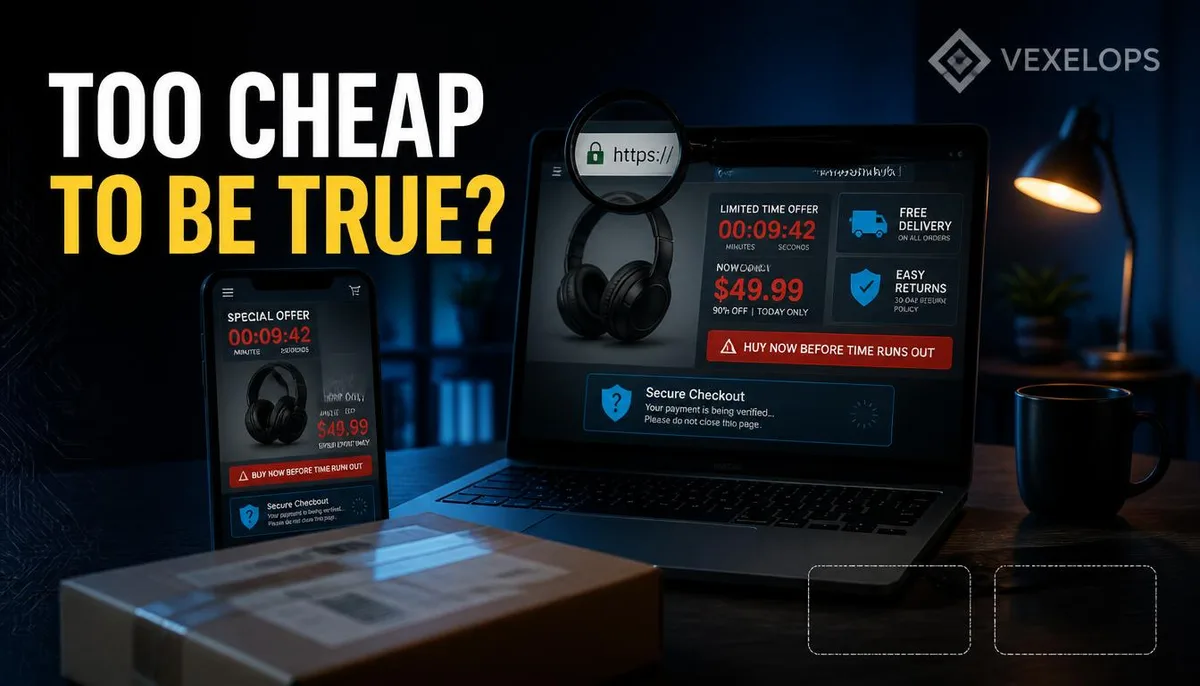
Why Does That Limited Time Offer Always Have Only a Few Minutes Left?
You see a product ad on a social media platform. The item looks like a well-known brand, but the price is only a fraction of the typical cost. The page has a prominent countdown, and it says the stock is running low, with comments filled with reports of quick delivery and great quality. You initially just wanted to look, but a few minutes later, you find yourself entering your name, phone number, and address. The payment method looks normal, even offering cash on delivery. The truly unsettling part often only appears after you receive the package: the product is completely different from the images, the packaging lacks clear sender information, or you never even ordered the item in the first place. When you return to the original website to seek customer service, the page may have already vanished. Another customer service account might contact you, claiming they can issue a refund but asking you to pay a fee first or follow online banking instructions. What started as a shopping issue suddenly turns into a second scam.
What Are Common Risk Signals in Single-page Ads?
The Consumer Protection Committee of the Executive Yuan has compiled common features, including prices significantly lower than market rates, an emphasis on cash on delivery, claims of a seven-day appreciation period, limited-time promotions, peculiar URL spellings, unnatural language, and a lack of physical contact numbers and addresses. These features do not automatically imply fraud, but if they appear together, it’s wise to stop payment and verify. Ads on social platforms might also use genuine vendor images, news reports, or celebrity photos. Professional-looking images do not guarantee that the seller is the original brand. Fake websites often present trustworthy appearances upfront while hiding important information in difficult-to-find places. You can observe the following items:
- Does the website provide verifiable company name, address, and customer service number?
- Are product prices significantly lower than other reputable channels?
- Does the countdown restart every time the page is refreshed?
- Does the payment page use an unfamiliar domain or require additional software installation?
- Are the reviews overly positive but lack verifiable purchase details.
Some websites may use cash on delivery to reduce suspicion, but cash on delivery does not mean the source of the product is reliable. After receiving the package, you still need to confirm whether you ordered it, the sender's information is clear, and whether the product matches the order.
How Can You Confirm That a Store Isn't a Fake Website Before Payment?
Do not just enter the store through buttons on ads. You can search for the official brand website to verify if the promotion really exists, then compare prices between official channels and other trustworthy platforms. If the website exists only in social media ads and lacks clear company information, and you cannot find reliable after-sales channels, you should not rush to make payments. The Consumer Protection Committee of the Executive Yuan recommends prioritizing well-known or reputable shopping websites and using third-party payments whenever possible. While third-party payments cannot guarantee risk-free transactions, they are usually easier to manage than handing your card number or bank information over to unknown pages directly. Don't assume that a page showing a secure lock symbol means the seller is trustworthy. Encrypted connections only indicate how data is transmitted between the browser and the website; they do not prove that the product exists nor that the company behind the website is trustworthy.
Are There Any Options If You Receive Incorrect Products or Encounter Fake Customer Service?
Yes. Keep the advertisement page, product page, order information, payment records, package labels, customer service conversations, and website URLs. Do not rush to delete messages, and do not hand over the package, invoices, or conversations to unknown refund agents. If it's a cash on delivery product, the Consumer Protection Committee of the Executive Yuan recommends promptly unboxing and inspecting. If you find that the product doesn't match, is defective, or you didn’t actually order it, you can contact the sender or the shipping company to process a return or refund. If you cannot resolve the consumer dispute, you can file an online complaint with the Consumer Protection Committee of the Executive Yuan. If you have already transferred money, used a credit card, or provided your bank and account information, retain the transfer slip, conversation records, and transaction details, and explain the situation to your financial institution and the police. The Taiwan police remind you that you can consult by calling 165, but if financial loss has occurred, you still need to go through the proper procedures at a police station to file a report and obtain a case acceptance
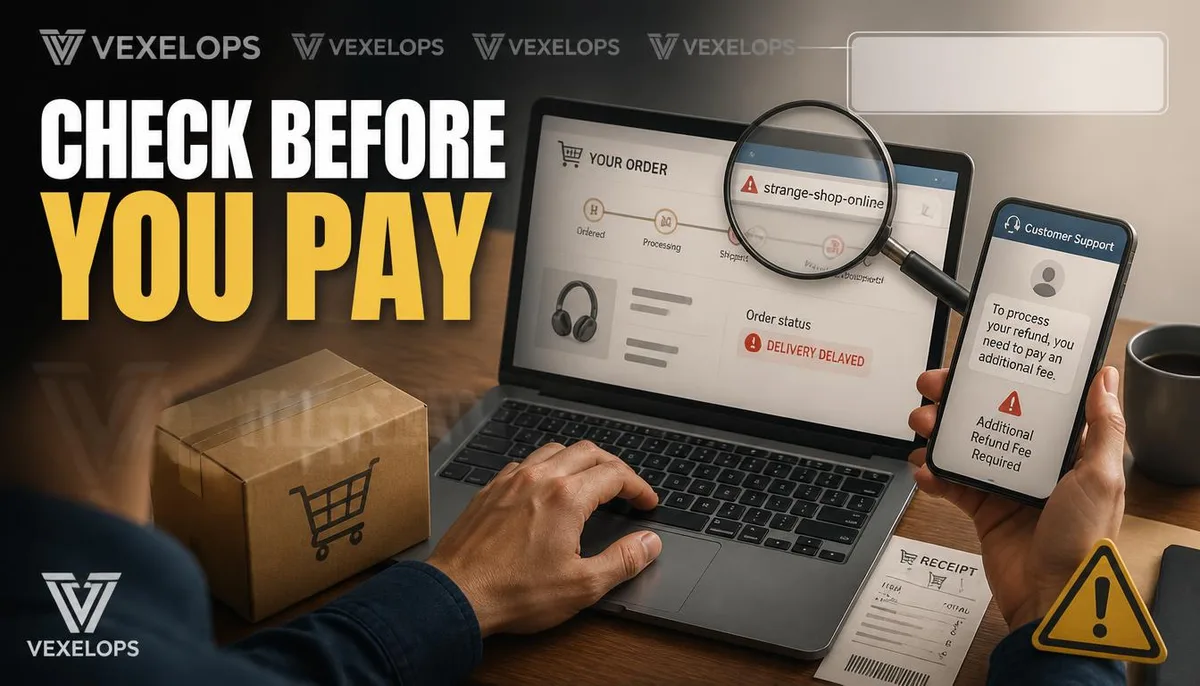
Common Questions About Fake Shopping Websites and Single-page Ads
Is Cash on Delivery Safer?
Cash on delivery can reduce the risk of directly providing your card number or bank details to unknown websites, but it does not guarantee that the product is reliable, nor does it ensure that you can smoothly obtain a refund after receiving the package. Some fake shopping ads exploit cash on delivery to lower consumer suspicions, ultimately sending out products that do not match the advertisements. When you receive a package, first check if you really placed an order, whether the sender's information is clear, and whether the product matches the description. If the product doesn’t match or you didn't order anything, you should promptly save the package and order details, and contact the shipping company or related complaint channels.
Is It Reasonable for Refund Customer Service to Ask Me to Pay a Fee?
Be highly alert. Fake customer service may claim that there are issues with your order, that the refund failed, or that you need to pay verification fees, then ask you for account information, verification codes, or to carry out online banking operations. Such requests could turn the initial shopping loss into a second risk to your account or funds. Do not log into your bank or payment platform using unfamiliar links provided by customer service, nor follow instructions over the phone. You can find contact methods from the bank, payment platform, or the merchant's official website, to confirm the transaction status. If you've already provided information or made payments, you should immediately keep the records and consult with 165.
I Only Filled Out My Name, Phone Number, and Address; Do I Still Need to Take Action?
Yes, pay attention to subsequent messages. This information may be used for fake customer service, fake logistics, fake refunds, or other targeted contacts. When strangers can accurately state your order, address, or product name, it does not necessarily mean they are official customer service; they may instead be using the information you previously submitted to establish trust. Do not provide identity documents, bank account details, credit card information, passwords, or verification codes afterward. Keep suspicious texts, emails, phone numbers, and chat records, and verify through the original shopping platform, the brand's official website, or the 165 channel.
One Key Takeaway: Low prices, countdowns, and cash on delivery do not prove that a store is trustworthy; verify the website and seller before making payments, and do not continue to provide information when encountering fake customer service refund requests.