
Does Official Customer Service Really Contact Users Proactively?
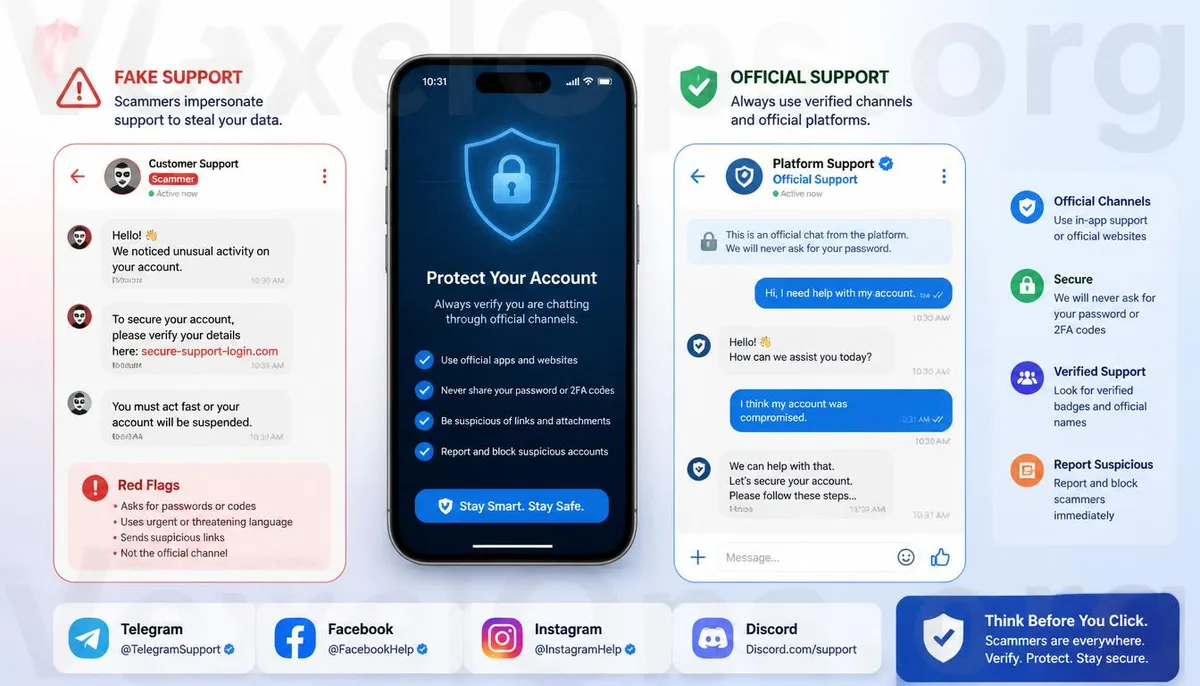
Many people receive proactive messages from someone claiming to be customer service just a few minutes after posting for help on social media or messaging apps. Some accounts use official logos, names, and even closely resemble real customer service, leading many to believe their identity at first glance. In reality, genuine customer service processes usually follow fixed channels, such as official websites, customer service centers, or built-in support systems within apps, rather than randomly contacting users through private accounts. Although different platforms may have varying service methods, anyone who reaches out without a formal customer service process, asking for personal information, verification codes, or login details, should be approached with caution. In recent years, impersonations of official customer service have become increasingly common, not only on social media platforms but also extending into cryptocurrency trading platforms, emails, instant messaging software, and various online services. Therefore, understanding these tactics is more critical than simply remembering specific scam accounts.
Why Are More People Being Deceived by Fake Customer Service?
Fake customer service scams succeed not because of highly advanced techniques, but because they exploit users' anxiety in times of trouble. When an account suddenly can't log in, a transaction fails, funds are abnormal, an account is suspended, or there are concerns about the account being compromised, most people's initial reaction is to seek customer assistance as quickly as possible. Scammers take advantage of this moment, reaching out to users, leading them to mistakenly believe that the official team is aware of their problem. Additionally, many fake customer service accounts deliberately mimic the official brand image, using similar avatars, background images, account names, and even copying official announcements to appear more credible. Some even use verified images, forge customer support tickets, or provide fake website links, gradually convincing victims that they are chatting with actual customer service. What's crucial to note is that scammers do not demand all information at once, but rather build trust gradually through conversation, ultimately asking for logins, verification codes, downloading remote access software, or even requesting asset transfers. Therefore,
What Situations Are Most Likely to Encounter Impersonated Customer Service?
Fake customer service can appear in any situation requiring customer support, but the following scenarios are particularly common: - Posting on social media about account issues. - Inquiring about withdrawals or deposits on cryptocurrency trading platforms. - Seeking administrator assistance on platforms like Telegram or Discord. - Experiencing abnormal logins on Instagram or Facebook accounts. - Issues with orders or payments on e-commerce platforms. The common factor is that users actively seek help publicly, while scammers quickly reach out in an attempt to gain trust before genuine customer service can. Thus, if you receive a message from an unfamiliar account just a short time after posting, claiming to assist immediately, it’s advisable to verify their identity before deciding to continue the conversation.
What Should You Check When Encountering Suspicious Customer Service?
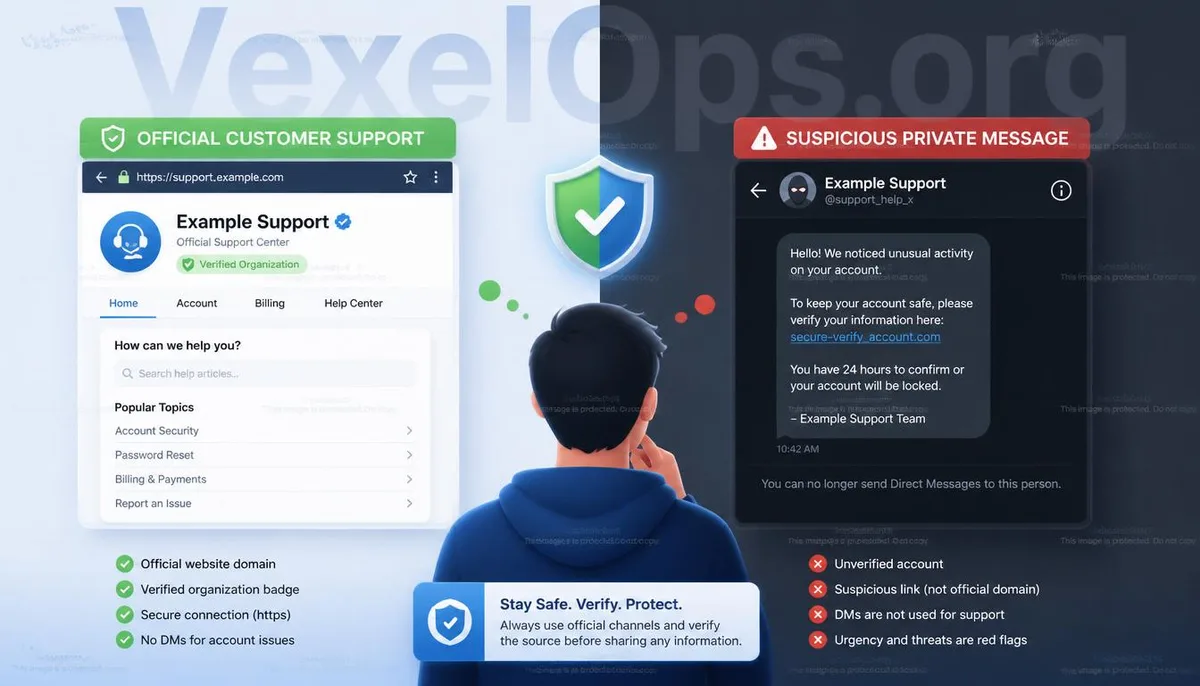
If you receive a message from an unknown customer service representative, don't rush to reply, and don't provide any information due to concerns about your account. A safer approach is to confirm a few key points first. Start by checking whether they come from the official customer service channels listed on the website, rather than contacting you through a private account. Then, verify if they ask for passwords, verification codes, mnemonic phrases, private keys, or other sensitive information, as such data should generally not be directly provided to anyone. Additionally, revisit the official website, app, or announcement pages to confirm whether they have the same customer service information, rather than solely judging by the chat content. If you still cannot confirm their authenticity, stop the conversation, keep the chat history, and reconfirm through official channels. This is usually safer than acting hastily. When encountering issues related to account security, abnormal assets, or other complex situations, there is no need to assume that matters cannot be handled just because of temporary anxiety. Different platforms have varying validation processes and methods of
Building the Right Habits for Identifying Customer Service is More Important Than Remembering Scam Accounts
Today, you block a fake customer service, and tomorrow a new account may emerge. For scammers, changing names, avatars, or even creating new accounts isn't challenging. What’s truly worth cultivating is the habit of identifying customer service, such as using official customer service centers first, confirming the website URL is correct, avoiding clicking on unknown links, and refraining from sharing too much personal information in public comment sections. Once these habits are established, even when encountering different platforms, brands, or new forms of scams, it becomes easier to judge what requests are reasonable and which aspects warrant further confirmation, reducing subsequent risks due to momentary negligence.
Common Questions About Fake Customer Service Scams
Will Official Customer Service Never Contact Me Proactively?
Customer service processes may vary across different platforms, but if someone proactively requests passwords, verification codes, mnemonic phrases, or other sensitive information, it’s advisable to be cautious and verify their identity through official channels.
Do Fake Customer Service Representatives Only Appear on Cryptocurrency Platforms?
No. Fake customer service can appear on social media platforms, messaging apps, gaming platforms, shopping websites, and various online services.
What Should I Do If I’ve Already Chat with Fake Customer Service?
Stop providing more information, keep chat history, and check if you've revealed account, security verification, or other important details. If issues regarding account or asset security are involved, it’s recommended to reconfirm the current situation with official customer service as soon as possible.