
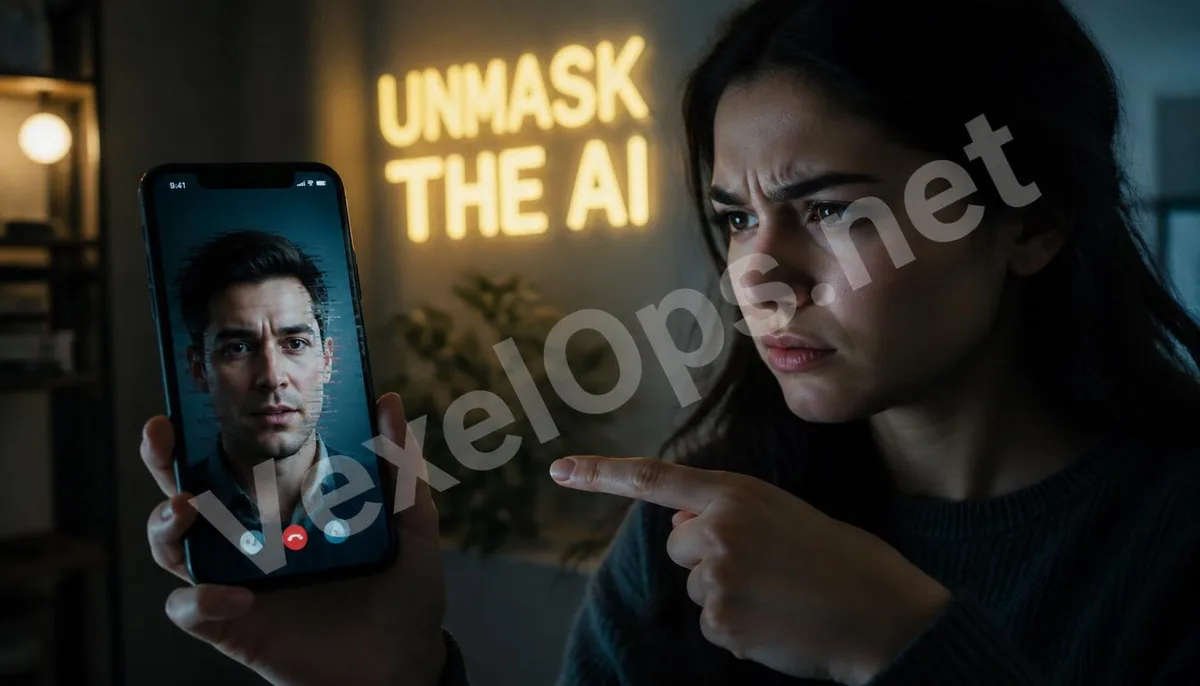
The Betrayal of Sight and Sound: The Criminal Evolution of AI Deepfake Technology
Deepfake technology is essentially based on Generative Adversarial Networks (GAN) for high-level image and voice synthesis. While this technology shows remarkable potential in film production and artistic creation, fraudsters have turned it into a tool for executing digital fraud. By collecting publicly available photos and voice snippets of victims' friends and family from social media, criminal organizations can generate highly realistic digital avatars capable of real-time interaction.
- Real-time video face-swapping: Scammers replace the operator's facial features with those of trusted friends and family during video calls, using background simulation to enhance realism.
- Voice synthesis imitation: With just a few seconds of voice samples, fraudsters can create audio files closely resembling the tone, pitch, and even accent, used to send distress texts or execute telecom fraud.
- Psychological breach of defenses: By utilizing the identity of friends and family, scammers reduce victims' guard and create urgent scenarios like medical emergencies or legal disputes, forcing victims to transfer funds.
It must be clear that the developers of deepfake technology are typically experts aiming for technological breakthroughs, while scammers are the malicious actors exploiting these technological tools. VexelOps is dedicated to helping users identify these digital disguises created by criminal organizations, safeguarding personal privacy and property security.
Unmasking the Truth: Identifying Technical Features of AI Face-Swap Scams
Despite the increasingly realistic images and sounds generated by AI, in the context of instant messaging, the scams produced by fraudsters still leave subtle technical traces due to limitations in computational resources and network latency. Through careful observation and simple technical verification, we can effectively unmask these disguises.
- Edge defects and flickering: During video calls, pay attention to the edges of the other person's face, chin, or where glasses connect to the face. Unnatural blurriness or flickering often indicates artifacts generated during real-time
- Inconsistency in lighting and shadow: Observe the reflections in the other person's eyes or the textural details of their skin. AI-generated content often struggles to perfectly simulate complex variations in environmental lighting.
- Interaction behavior tests: Ask the other person to perform specific actions during the call, such as waving a finger in front of their face, turning their head, or closing their eyes. These actions increase the computational load on AI
If you have doubts about the identity of your call companion, VexelOps advises to immediately terminate the call and confirm through another reliable channel (such as calling their traditional phone). We can assist users in analyzing suspicious video clips and identifying traces of AI alteration through professional image forensic techniques, providing data support for your risk assessment.
Establishing a Digital Trust Defense: Practical Suggestions to Prevent Deepfake Scams
In the face of increasingly sophisticated AI scam techniques, the core of defense lies in establishing multi-factor authentication mechanisms and reducing the exposure of personal sensitive information online.
- Set up a family safety password: Agree with friends and family on a secret question or password known only to you. Use this as the first line of identity verification in case of urgent requests for help.
- Limit social media privacy: Reduce sharing high-definition close-up photos of your face and clear dynamic voice clips on public platforms, cutting off the avenues for fraudsters to gather AI training material from the source.
- Strengthen account two-factor authentication: Even if scammers impersonate your identity, as long as your core account is protected by a hardware key or app authenticators, it will be difficult for them to implement further permission

In today's world, where AI technology and digital crime are highly intertwined, maintaining respect for technology and being cautious with information is essential. If you or your friends have encountered suspected AI face-swap scams, immediately save the relevant communication records. The VexelOps expert team can assist you in conducting in-depth social engineering route analysis, identifying the organizational patterns of fraudsters, and providing crucial technical support in tracking the flow of funds.
Common Questions About AI Deepfake Technology and Scam Prevention
Why can scammers so accurately mimic the voices of my friends and family?
This is due to advancements in voice cloning technology. Current AI models only require a small amount of audio samples from a victim's friend or family member taken from short videos or voice messages to learn their acoustic features. Fraudsters use crawlers to collect these materials extensively from public platforms. Therefore, for audio messages from unknown sources, even if the voice sounds familiar, it's essential to remain vigilant.
What should I do if I notice abnormalities during a video call?
Please stop the call immediately and refrain from conducting any financial transactions. Scammers may explain flickering visuals caused by poor signal. At this point, you can try asking some private details known only to you and that friend. If their responses are vague or evasive, this is a clear sign of fraud. VexelOps recommends that users should check whether their devices have been compromised with malicious monitoring software after encountering such situations.
Can AI face-swap technology lead to my bank account being hacked?
Current bank facial recognition systems typically have liveness detection features, effectively resisting standard flat face-swap attacks. However, fraudsters are more likely to employ face-swap technology for social engineering inducements to trick you into revealing your transfer password or 2FA code. Protecting your transaction credentials is more secure than relying solely on biometric identification.
One Key Takeaway: AI deepfake scams rely on the fabrication of sight and sound. By setting up family codes, identifying image defects, and utilizing professional image verification services, you can effectively uncover AI disguises and safeguard trust and security in the digital world.