

The Collapse of Human Defense Lines: The Core Logic of Social Engineering
In the field of information security, the most vulnerable link is often not the server's firewall, but the person sitting in front of the computer. Social engineering attacks exploit human nature—fear, greed, curiosity, and obedience to authority—to gain sensitive information. This is a form of non-technical attack that uses psychological manipulation to lure victims into disclosing confidential information, installing malware, or transferring funds. To better understand this threat, we can summarize the mainstream types of social engineering attacks along with their core characteristics as follows:
- Phishing: This is the most common type where attackers send forged emails or messages on a large scale to gather sensitive information from the general public. Despite its lower technological complexity, it still boasts a high success rate
- Spear Phishing: Compared to regular phishing, this method is highly targeted. Attackers accurately impersonate specific individuals or organizations, usually requiring a higher level of technological complexity and prior intelligence
- Vishing: This type of attack simulates calls from authoritative institutions like banks or government bodies, using victims' trust or fear to psychologically pressure them. Its technical complexity is moderate, but its psychological
- Baiting: This technique exploits curiosity or greed. Attackers may provide false free download links or leave USB drives with malware in public places, enticing victims to trigger security vulnerabilities.
Identifying Disguises: Common Psychological Triggers in Social Engineering
When hackers launch attacks, they often create a false scenario that forces victims to react without careful consideration. Here are the most commonly exploited psychological triggers for attackers:
- Creating a Sense of Urgency: For example, sending alerts that an account will soon be frozen, demanding users click a link to verify within ten minutes.
- Faking Authority: Impersonating tech support personnel, legal entities, or company executives to issue directives.
- Establishing a Sense of Reciprocity: Offering false gifts or promotions to lower victims' defenses after they gain small benefits.
- Exploiting Fear: Claiming users are involved in legal cases or that their devices have been hacked, requiring cooperation for checks.
When encountering such messages, VexelOps recommends adopting a delayed response strategy. No legitimate organization would ask you to provide passwords or private keys through text messages or unencrypted emails. Through professional email header analysis and domain checks, we can assist you in quickly identifying the sources of these disguises.
Building a Digital Mental Firewall: Practical Defense Measures
Defending against social engineering requires not only technical tools but also a set of standard operating procedures. Here are key steps for reinforcing personal security awareness:
- Multi-channel Verification: When receiving unusual transfer requests from acquaintances or supervisors, always verify via another communication tool (like a phone call).
- Link Review Mechanism: Before clicking any link, hover your mouse over it to check the actual URL it points to, rather than just looking at the displayed text.
- Principle of Information Minimization: Reduce the sharing of detailed personal information (like birthday, position, family member names) on social media, as these can be used by hackers to compile precise dictionaries.
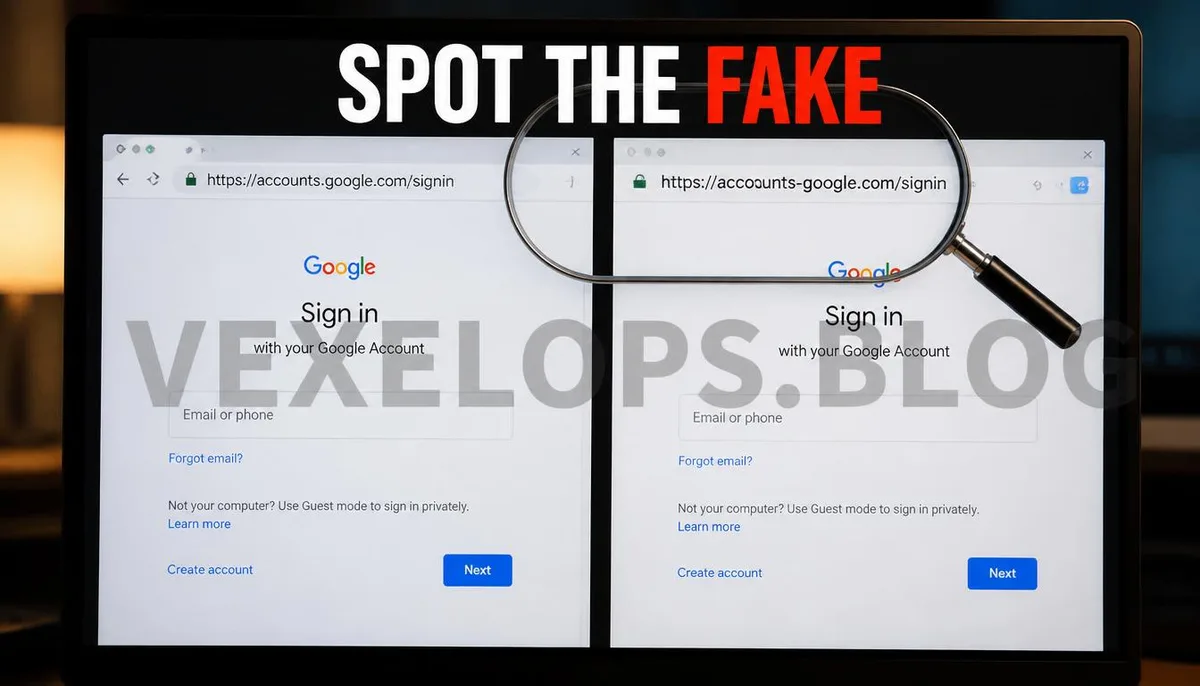
In the digital age, skepticism is not distrust but a responsible form of self-protection. If you suspect you have clicked on a phishing link or disclosed some information, immediately contact a professional team for account audits and connection clean-ups. VexelOps can assist you in monitoring for any abnormal API calls on your accounts and cut off the attack chain before damage escalates.
Common Questions About Responding to Social Engineering
Why Didn’t My Antivirus Intercept the Phishing Email?
Antivirus software primarily targets malicious code for interception. Social engineering emails usually do not contain viruses, but rather include a link to a forged website. This attack is technically a legitimate web access, thus traditional signature filtering is ineffective. It requires a combination of a threat intelligence-analyzing gateway and individual vigilance for effective defense.
How Did Hackers Know My Position and Supervisor's Name?
Hackers utilize publicly available professional social platforms (like LinkedIn) and company websites for data scraping. By analyzing organizational structures, they can easily forge a letter that appears to come from the HR department or the financial director. VexelOps recommends regular digital footprint cleaning for businesses and individuals to minimize publicly available sensitive relational information.
What Should I Do If I've Clicked the Link and Entered My Password?
- Change Your Password Immediately: Start by changing the password for the affected account, then change passwords for all other platform accounts using the same password.
- Revoke Authorization Tokens: Log out from all signed-in devices in your account settings and revoke any suspicious third-party application authorizations.
- Activate Multi-Factor Authentication: If not already enabled, immediately enable hardware keys or app authenticators.
- Seek Professional Monitoring: Contact VexelOps for fund and data flow monitoring to prevent subsequent asset transfers.
One Key Takeaway: The core of social engineering attacks lies in psychological manipulation. By establishing habits of multi-channel verification, recognizing urgency traps, and effectively utilizing professional cybersecurity monitoring, you can effectively uncover disguises and build an insurmountable human defense line.