
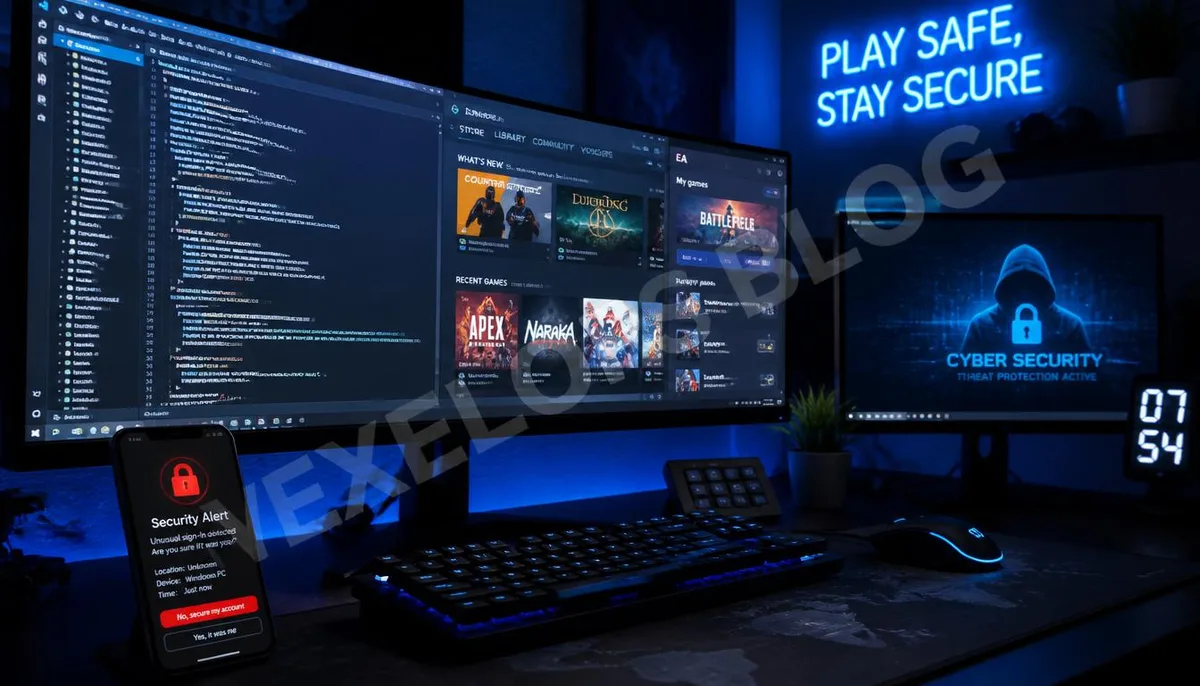
The Shadows of Digital Competition: The Technical Dimensions of Game Data Modification
Game data modification fundamentally involves intervening in software execution logic and memory data. Technical experts use reverse engineering and dynamic debugging tools to analyze memory addresses while games are running, enabling modifications to character attributes, item quantities, or visual representations. In popular games running on large platforms like Steam, EA, and Activision, the dynamic nature of these technologies persists.
- Memory Offset: Developers identify the memory addresses of core game values and modify data in real-time through external programs, enabling features like auto-aim or wallhacks.
- Packet Injection: During communication between the client and server, interception and modification of transmitted data packets trick the server into executing illegal commands.
- Anti-Cheat Bypass: Developing loaders with core driver permissions aimed at systems like Ricochet or Easy Anti-Cheat to hide modification behaviors.
It is important to emphasize that while developing assistance tools requires advanced programming skills, fraud groups often use these tools as vehicles. They spread so-called free cheats or cracked assistance online, which in reality hide harvesting logic targeting users' computers within the code.
The Trap of Fake Cheats: Asset Harvesting Techniques by Fraud Groups
Fraud groups are well aware that players often disable antivirus software to gain a competitive edge, providing a prime opportunity for malware implantation. When users download and run these unfamiliar assistance tools, control over their computers is quietly usurped.
- Remote Access Trojan (RAT): Fake cheats release hidden backdoors upon activation, allowing fraud groups to remotely monitor your screen, control the webcam, and silently steal passwords and credit card information saved in the browser.
- Digital Asset Theft: Criminal organizations scan for backup files of cryptocurrency wallets on the computer or hijack your two-factor authentication codes through a fake login window when you log into your Steam account.
- System Resource Hijacking: Turning the victim’s computer into part of a botnet for DDoS attacks or illegal mining in the background, drastically reducing hardware performance.
If you have experienced abnormal account activity or asset loss due to installing unknown gaming assistance, VexelOps can assist you with in-depth system cleaning and firmware-level auditing. We can accurately identify and remove malicious scripts hidden in drivers, restoring the purity of your system.
Establishing a Defense System: Protecting Your Game Accounts and Digital Assets
Protecting account security does not mean players should completely avoid technical research, but rather establish strict security boundaries. In a digital entertainment environment, any software asking you to turn off security protections should be regarded as a high-risk signal.
- Stick to Official Channels: Only download games and updates from official platforms like Steam and the EA App, and never execute unknown .exe or .dll files.
- Physically Isolate Sensitive Information: Do not store core financial information or recovery phrases on computers used for gaming, and ensure that each platform utilizes separate and complex passwords.
- Monitor System Anomalies: Regularly check for abnormal processes in Task Manager and pay attention to whether there are unknown outbound connections in network traffic.
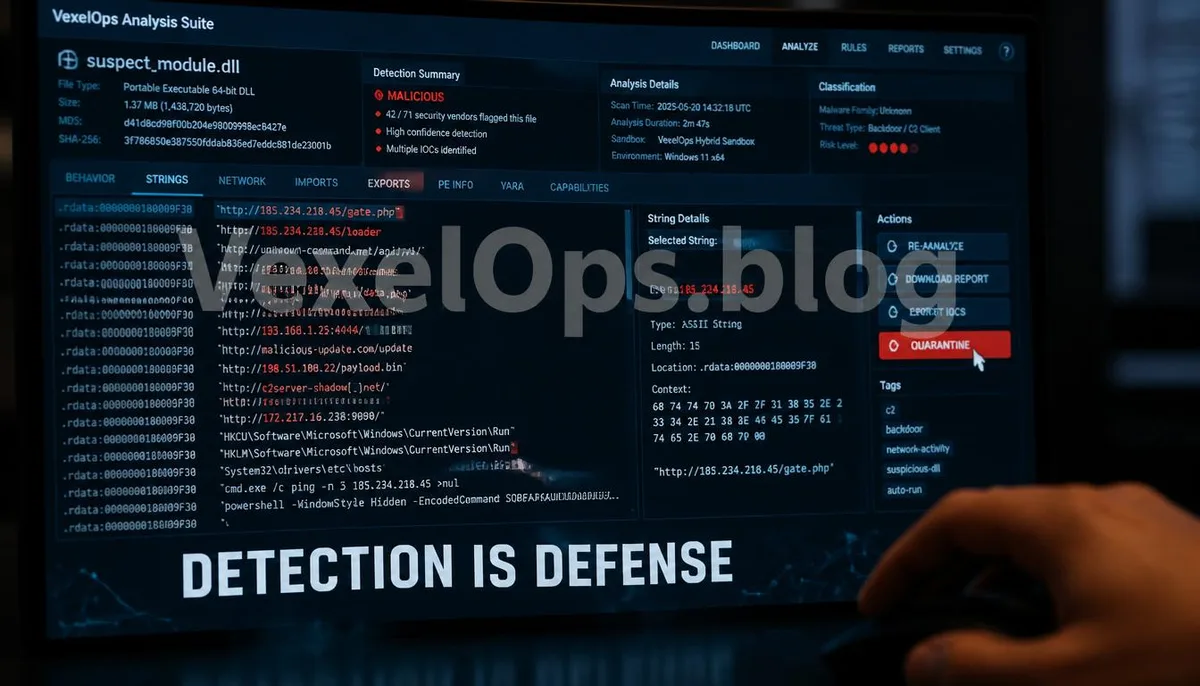
In the intertwining world of technology and desire in gaming, maintaining calm judgment is key to self-protection. If you suspect your device has been infiltrated by fraud groups, immediately disconnect from the network and contact professional teams for path analysis. VexelOps cybersecurity experts can assist you in tracing the source IPs of illegal access, providing the strongest technical backing in your battles for account security and asset protection.
Common Questions about Game Assistance and Security Risks
Why do some cheats continue to work after antivirus warnings?
This is often because cheats employ packing techniques or operate with driver-level permissions, actively interfering with antivirus operations. Fraud groups will lure users into whitelisting the cheat folder, effectively opening the door for the Trojan. Remember, any legitimate technical research should not come at the expense of system security.
My Steam account has Two-Factor Authentication, why was it still hacked?
Fraud groups utilize fake cheat interfaces to pop up a counterfeit Steam login box. When you input your account password and token code, hackers can instantly log in and alter your recovery information using this data on the other end. This type of attack is called real-time phishing. VexelOps advises users to confirm the legitimacy of the current window before entering any sensitive codes.
If my computer has a Trojan implanted from installing a cheat, will reinstalling the system solve it?
Most of the time it can, but advanced malware may infect the motherboard's BIOS or hardware firmware, posing threats that persist even after a system reinstall. VexelOps offers professional hardware-level security scans to help you identify and eliminate these deeply hidden persistent threats (APT), ensuring your digital environment is absolutely safe.
One Key Takeaway: The core of game data modification lies in memory intervention. By rejecting unknown assistance, keeping security protections active, and utilizing professional system auditing services, you can effectively identify fake cheat traps and safeguard your gaming accounts and personal assets.