
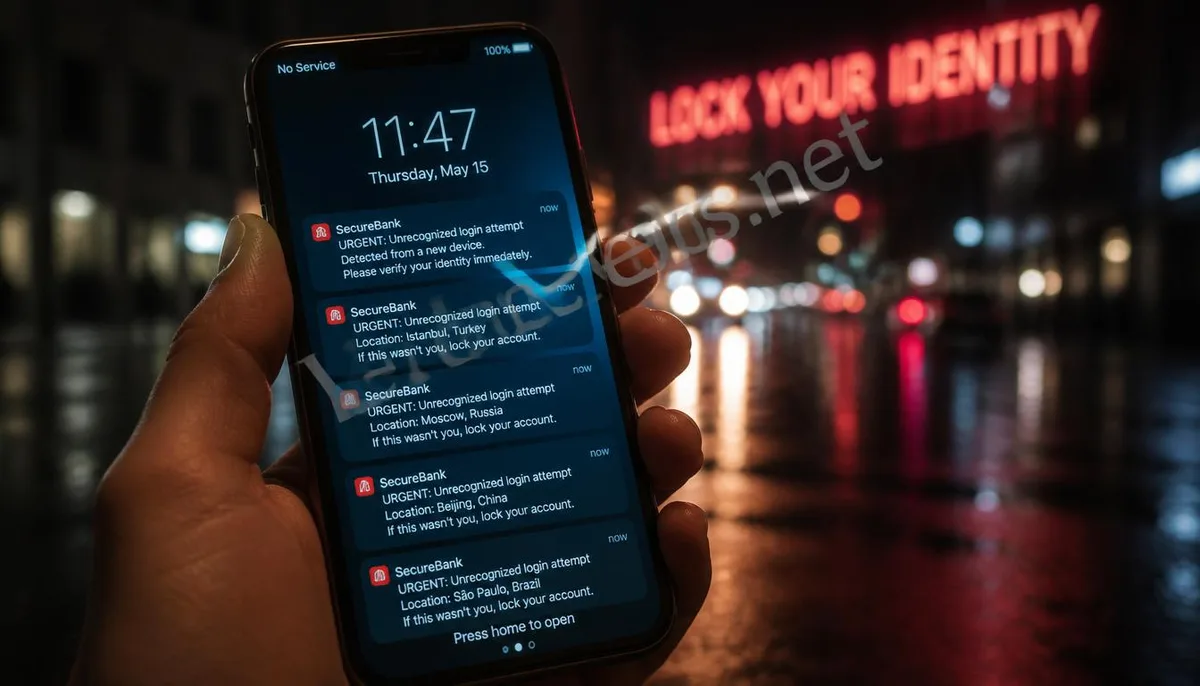
Physical Hijacking of Digital Identity: The Core Logic of SIM Card Swapping
In today's digital ecosystem, mobile numbers have become a physical label of personal identity. SIM card swapping scams do not rely on complex virus infections but rather hijack the trust relationship between users and telecom operators. Experts define this attack as an extreme form of identity theft, aiming to seize control of the victim's mobile number and thus receive all SMS-based verification codes.
In-depth Analysis: Steps Taken by Scammers to Implement SIM Card Swapping
- Gathering Personal Sensitive Information: Scammers collect victims' names, identification numbers, birthdays, and usual contact addresses through social media, phishing emails, or databases purchased on the black market.
- Impersonating the Victim for Social Engineering: Scammers pose as the victim to contact the telecom company's customer service, claiming the phone is lost or the SIM card is damaged, requesting the transfer of the existing number to a new
- Bypassing Security Verification: Criminal organizations exploit collected private information to answer customer service security questions. Once the telecom company completes the SIM replacement process, the victim's phone will
- Executing Asset Harvesting: After gaining control of the number, scammers quickly initiate password reset requests for bank or exchange accounts, using intercepted SMS verification codes to complete asset transfers.
The devastating nature of this attack lies in the fact that even if users set strong passwords, if the verification system overly relies on SMS, it is incapable of thwarting the infiltration of scammers.
Establishing Multi-Layered Defense: Preventing Illegal Hijacking of Mobile Numbers
Faced with attacks that combine psychological manipulation and process loopholes, users need to secure their accounts from both configuration settings and daily habits.
- Set a Telecom Account PIN: Proactively contact your telecom operator to set a unique code for network transfers or SIM replacements, effectively preventing scammers from completing a SIM replacement through simple social engineering.
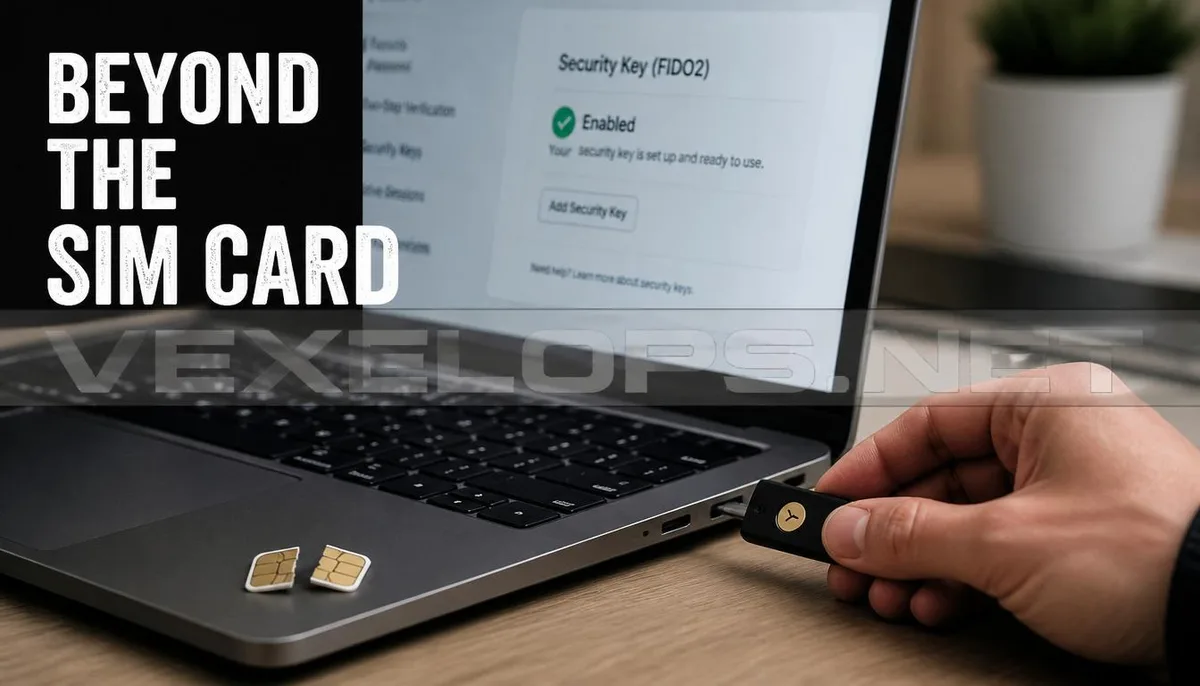
- Migrate Core Verification Mechanisms: Shift all important account verification methods from SMS to app authenticators or physical hardware keys.
- Conduct Digital Asset Audits: If you find that your phone inexplicably loses signal and restarting doesn’t help, this could be a signal that an attack is underway.
The VexelOps technical team can assist you with real-time account security audits, monitoring abnormal permission changes and API calls. We can help victims to communicate with platforms during critical timeframes, freeze threatened assets, and provide professional digital forensic analysis to trace the scammer's attack path.
Common Questions about SIM Card Swap Scams and Account Security
Why Does My Phone Suddenly Show No Service and Can't Make Calls?
This is usually the first and most damaging sign of a SIM card swap scam. When scammers successfully transfer your number to a SIM card under their control, your original SIM card will immediately deactivate due to the uniqueness identification mechanism of the telecom network. On a technical level, this is referred to as Deactivation. If your phone suddenly shows no service in an area with good signal, and attempts to restart the device, reinserting the SIM card, or changing the communication environment do not solve the issue, this most likely means that your digital identity is being physically hijacked. At this point, you should immediately use another phone to contact your telecom company to confirm the number's status, and quickly log into your bank and email accounts to check for unauthorized login attempts or password change records.
How Do Scammers Complete the SIM Replacement Without My Personal Identification?
Scammers do not necessarily need physical ID. They excel at exploiting the human weaknesses and information asymmetry inherent in telecom company customer service processes. 1. Social Engineering Penetration: Criminal organizations use subtle information obtained from leaked data on social media or the black market, such as your date of birth, billing address, or recent call logs to answer customer service security questions. 2. Forging Identity Proof: Using advanced image editing techniques to create counterfeit identification documents and conduct identity verification through online customer service channels. 3. Cooperation from Insiders: In some cases, criminal organizations bribe internal telecom employees to bypass all review processes and directly complete number transfers from the backend. This is why we emphasize that apart from telecom-level defenses, account-level protections should adopt verification methods that do not rely on mobile numbers, such as physical keys following the FIDO2 standard. These methods ensure that even if a number is hijacked, scammers cannot breach account defenses.
What Should I Do if I Have Become a Victim of a SIM Card Swap Scam?
- Immediately Contact Financial Institutions: Within the critical ten minutes after confirming that your number has been hijacked, priority should be given to calling banks and exchanges to freeze all financial transactions and prevent
- Change All Account Passwords: Use a verified safe device (such as another computer) to change the passwords of all associated accounts and ensure that the new verification methods no longer rely on the compromised mobile number.
- Seek Professional Technical Support: Contact VexelOps for in-depth tracking of fund flows and technical preservation. We will assist you in generating professional tracking reports that accurately mark the final destination of assets
One Key Takeaway: The core of SIM card swap scams lies in the control of phone numbers. By setting a telecom PIN, abandoning SMS verification, and utilizing professional cybersecurity monitoring services, you can effectively prevent social engineering traps and protect your digital assets.