
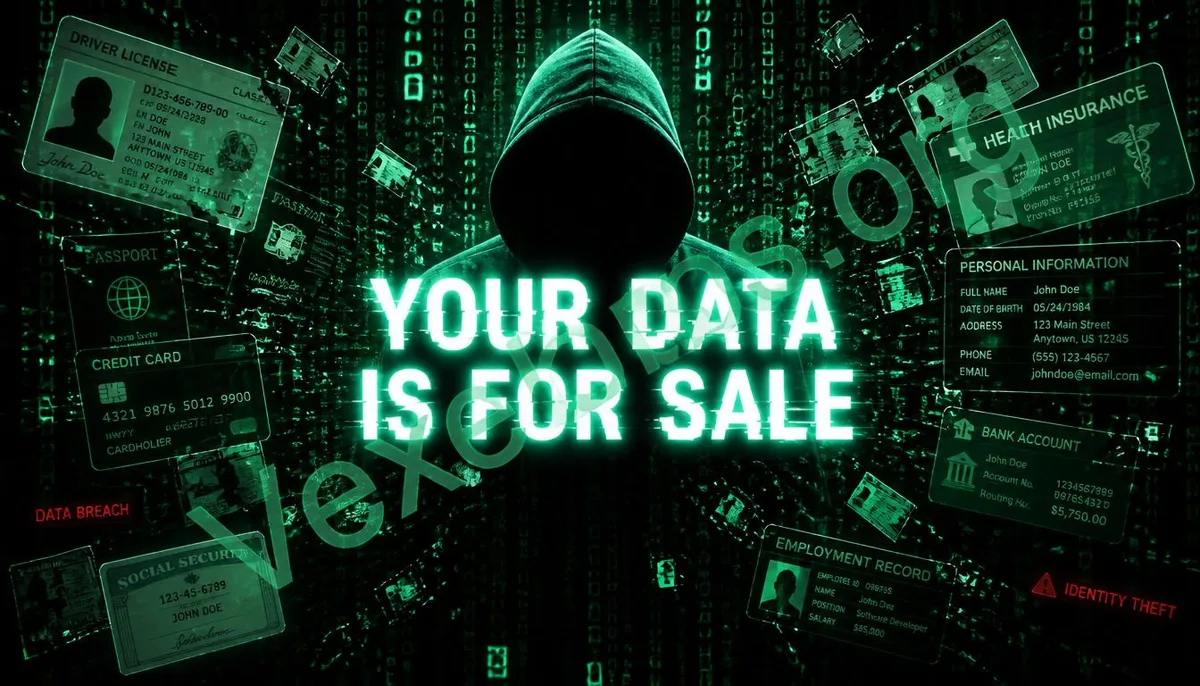
Data Flow Mechanism in the Dark Web Underground Market
In the hidden corners of the internet, the dark web market has formed a highly organized underground economy. The core commodity here is not illegal contraband, but rather billions of pieces of personal privacy data. The sources of this data are diverse, ranging from database vulnerabilities on major social platforms to configuration errors on small e-commerce sites, all of which are seen as gold mines by hackers. Once data is successfully stolen, it isn’t immediately made public; rather, it undergoes a complex processing workflow. Hackers use automated scripts to clean and classify the data, associating and packaging names, emails, phone numbers, identification numbers, and credit card information. This organized data package is known as a “composite list,” which holds significant commercial value on dark web forums because it can be directly used for subsequent brute-force attacks or targeted scams.
- Data Cleaning: Removing invalid or duplicate information to ensure the purity of the data package.
- Value Assessment: Setting different selling prices based on the timeliness and completeness of the data.
Accumulation of Digital Footprints and Privacy Risks
Everyone's online activity leaves digital footprints; these footprints are like puzzle pieces. Hackers only need to gather enough pieces to assemble a complete digital portrait of a person. From your check-in locations on social media to the email used for registration on various websites, these seemingly harmless pieces of information can become entry points for targeted attacks after big data analysis. Hackers exploit this leaked data to conduct credential stuffing attacks. Since many users use the same passwords on different platforms, once a small website’s database leaks, hackers can use those credentials to attempt to log into your bank account or main social accounts. The losses resulting from this chain reaction often far exceed the initial leak event itself.
If you suspect that your information has already circulated on the dark web, VexelOps can assist in assessing the impact of the leak, helping you clarify which critical credentials need to be changed immediately to block potential secondary harm.
Practical Techniques for Digital Footprint Cleanup
To reduce the risk of personal data leaks, you must learn to clean your digital footprints. This is not merely about deleting browsing history; it involves a deep management of digital assets. First is the cleanup of inactive accounts. Many people have dozens or even hundreds of online accounts they no longer use; these accounts often have old passwords and lack security maintenance, making them prime targets for hackers. Users should identify these forgotten services and fully cancel their accounts. Next is the dynamic adjustment of privacy permissions. For services still in use, regularly reviewing their access permissions to personal information is essential. For instance, some applications may continue to collect your location data or contact list in the background; these are unnecessary risk points.
Establishing a Long-term Digital Defense Mechanism
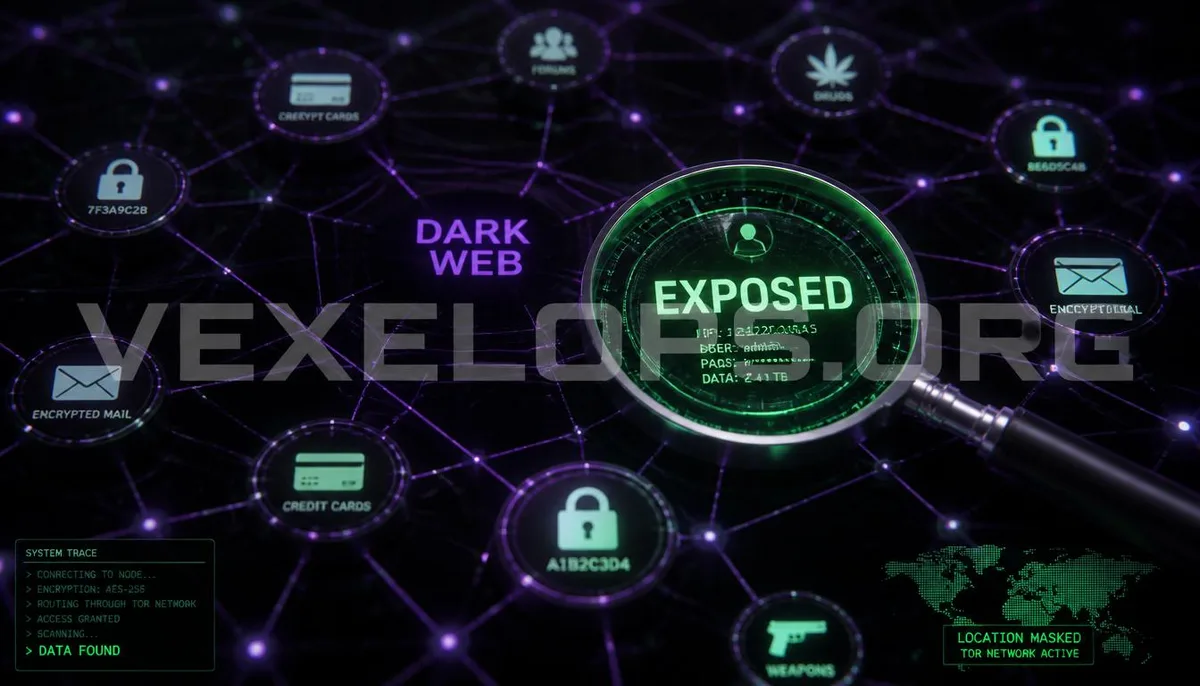
Cleaning footprints is just the first step; building a long-term defense mechanism is essential to fundamentally combat dark web threats. This includes using password managers to ensure that each platform has unique and complex passwords, as well as enabling multi-factor authentication comprehensively. Moreover, remain highly vigilant regarding unusual emails or text messages received. Dark web data is often used for precise phishing, and hackers might impersonate official customer service by using leaked names or shopping records. Always verify the authenticity of the sender before clicking on any links.
Common Questions About Data Leaks on the Dark Web and Footprint Cleanup
How can I know if my personal data is being sold on the dark web?
Directly accessing the dark web for inquiries is very dangerous and not recommended. Ordinary users can obtain information through professional data leak monitoring services. These services scan known data breach incidents and compare them with your email addresses or phone numbers. If you receive a leak notification, it usually means that some of your information has appeared in a data package on underground forums. Additionally, if you recently received a large number of targeted scam texts or unknown login attempts, it is a strong signal that personal data may have leaked.
If my data has leaked, is there still value in cleaning my digital footprint?
It is definitely meaningful. Although leaked data cannot be retracted, cleaning your digital footprint can prevent hackers from accessing more associated information. For example, if you cancel other accounts associated with the leaked password or change the affected email, the data hackers have will lose timeliness and cannot be used for further attacks. The essence of cleaning footprints is to ‘stop the loss’ and to increase the difficulty and cost for hackers to make subsequent attacks, thereby guiding them to abandon actions against you.
Why are hackers interested in the personal data of ordinary people like me?
This is a common misconception. Hackers are not necessarily interested in ‘you personally’; they are interested in the ‘volume of data.’ In the dark web market, millions of ordinary people's data are packaged and sold. Although the unit price of each piece of data is low, the accumulated value is astonishing. This data can be used for large-scale automated fraud, spam distribution, or as material for creating fake identities. For hackers, the defenses of ordinary people are usually weaker, making them highly cost-effective targets for attacks.
One Key Takeaway: Digital footprints are the fuel that hackers profit from on the dark web. By regularly cleaning up inactive accounts, strengthening password management, and staying vigilant, you can effectively reduce the risk of personal information being packaged and sold. Protecting privacy is a long-term battle, and proactive management is the most effective defense.