
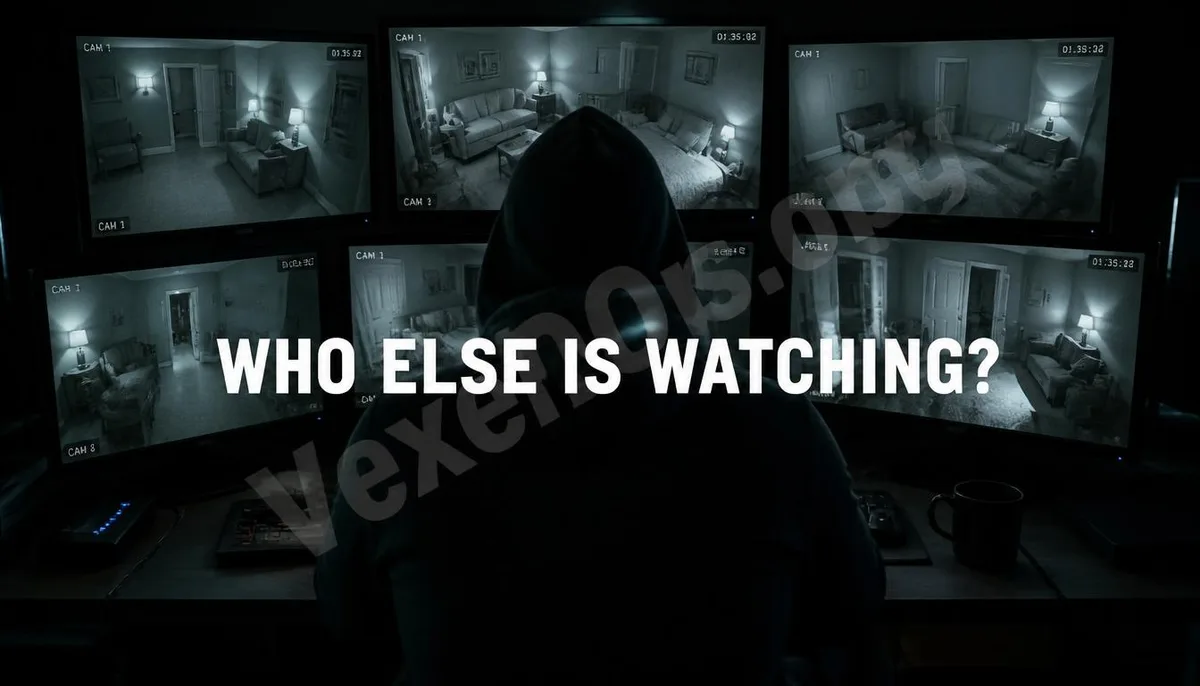
Digital Infiltration Behind the Lens
When you install a webcam in your home seeking peace of mind, you may not realize that this small lens is sending signals to the world via the internet. The invasion of webcams by hackers is not random; it is a precision technical hunt. Many users, after installing their devices, often neglect to change the default passwords set by the manufacturer, providing hackers with an easy entry ticket. Using automated scanning scripts, attackers can scan thousands of IP addresses worldwide in just minutes, searching for those vulnerable devices still using initial credentials. This infiltration process is typically silent. Hackers do not require physical access to your devices; they can take control of the camera by sending specific requests via the internet. Once successfully breached, your living space becomes an open book on their screen, and you may remain completely unaware. This asymmetry in technology makes personal privacy exceptionally vulnerable in the digital age.
Credential Stuffing and RTSP Protocol Vulnerabilities
- Credential Stuffing Attacks: Hackers utilize lists of leaked passwords from other websites to automatically attempt to log into various camera cloud platforms. Since many users tend to use the same password across different services, the
- RTSP and ONVIF Exposure: Many webcams enable the real-time streaming protocol for compatibility. If the router is not configured correctly with a firewall, hackers can directly link to these unencrypted video streams via specific software,
- Firmware Exploits: Outdated camera firmware often has known security vulnerabilities. Hackers exploit these to execute remote code, allowing them not only to view images but also to turn the camera into a launching pad for attacking other
In the face of such advanced technical infiltration or suspected abnormal activities in your home monitoring system, VexelOps can assist users with a complete network security audit. We can identify abnormal connection pathways through professional packet analysis techniques and provide targeted fortification plans for your network structure, ensuring that your private space is not disturbed by digital prying.
Cloud Account Hijacking and Session Synchronization Crisis
Modern cameras largely rely on cloud apps for remote viewing. This convenience also brings new risks. If hackers hijack your cloud account session, they can synchronize and view all footage from your cameras without changing the password. This type of surveillance is incredibly discreet since the system may not issue alerts for logins from new devices. Every frame you see in the app could be simultaneously enjoyed by another person miles away.
Moreover, great caution should be exercised regarding third-party monitoring apps of unknown origin. These applications may contain backdoors that upload your streaming keys to fraudsters' servers while providing a convenient interface. Maintaining diligent scrutiny of software sources and regularly clearing authorized third-party services is a crucial aspect of safeguarding camera security.

Establishing an Impenetrable Camera Defense Fortress
Protecting privacy begins with foundational technical defenses. Firstly, cameras should be placed on a separate guest network, effectively preventing breaches from affecting computers that store sensitive data. Additionally, two-factor authentication (2FA) must be enabled to block the majority of login attempts based on password leaks. Staying vigilant about firmware updates and physically covering the lens when not in use are currently the simplest and most effective protective strategies. Once we have control over the proactive defense aspects of technology, we can restore its essence to safeguard safety rather than threaten privacy.
Common Questions About Webcam Monitoring
Why Does My Camera Still Seem Controlled Even After Changing the Password?
This suggests that the hacker may not have entered through the password but may have exploited a backdoor in the camera's firmware or an open RTSP protocol route. Some inexpensive cameras come with security vulnerabilities at the design stage; even if the cloud account password is changed, the underlying communication ports may still be open. It is recommended to enter the router's settings interface, disable all UPnP automatic forwarding functions related to the camera, and check for any unknown ports that are open to the outside.
How Can I Determine if My Camera Is Being Viewed Remotely by Others?
Aside from observing the hardware indicator lights, the most accurate method is to check the router's upload traffic records. Cameras produce a consistent and stable upload bandwidth usage while transmitting video. If you notice that the camera IP consistently generates several Mbps of upload traffic while the app is not in use, it almost certainly indicates that someone is remotely accessing your video stream. VexelOps can provide professional traffic monitoring tools and log analysis to help accurately identify sources of unauthorized access.
Which is Safer: Cloud Storage or SD Card Storage?
The advantage of cloud storage is the retention of footage even if the camera is stolen, but the risk lies in potential hijacking of the cloud account. SD card storage avoids network leakage risks, but if hackers physically obtain the camera, the footage will be lost. The most balanced recommendation is to use cloud services with end-to-end encryption (E2EE) functionality, paired with strong two-factor authentication so that even if server data is intercepted, hackers cannot decrypt the image content.
One Key Takeaway: The core of webcam security lies in disabling redundant protocols and strengthening authentication. By updating firmware, disabling UPnP, and utilizing professional cybersecurity audits, you can effectively block digital prying and protect individual privacy and home security.