
Keys and Locks in the Digital World: The Technical Principles of Password Cracking
The security of password systems is fundamentally based on mathematical difficulty and time costs. When hackers attempt to gain unauthorized access, their primary target is often the hash value. In the current technological environment, password cracking is no longer a simple matter of random guessing; it’s a race concerning algorithm optimization and computational resources.
- Collision testing of hash algorithms: Hackers utilize high-performance graphics processors for large-scale computations, attempting to find hash results that match the original password.
- Use of precomputed tables: By utilizing precomputed rainbow tables, hackers can quickly revert complex hash values to plain text passwords.
This technological evolution renders traditional short passwords exceptionally vulnerable against powerful computational capabilities. Consequently, modern security architectures tend to favor algorithms with salting mechanisms, which significantly increase the technical difficulty and time costs of cracking.
Evolution of Brute Force and Dictionary Attacks in Practice
Brute force and dictionary attacks are among the oldest yet most effective attack methods in cryptography. With the advancement of big data technology, these attack methods have evolved to be more intelligent and precise. Hackers no longer attempt all combinations blindly; instead, they create precise attack lists through social engineering and leaked databases.
- Targeted dictionary creation: Hackers gather public information about specific targets, such as birthdays, names, or pet names, to generate highly relevant password combinations.
- Distributed attack architecture: Utilizing botnets to spread computational pressure over thousands of devices worldwide, circumventing frequency limits of a single IP.
This strategic attack has led to the rapid compromise of many seemingly complex passwords. However, by deploying intrusion detection systems and multi-factor authentication, users can significantly increase the cost to attackers, diminishing their economic and time efficiency.
The Grey Area of Software Licensing Cracking and Reverse Engineering
Software cracking involves a deeper level of technical confrontation, namely reverse engineering. This technique requires hackers to possess in-depth knowledge of assembly language and system architecture. They use decompilers to revert compiled binary files into readable code logic, identifying key nodes of authorization verification. Hackers typically look for jump instructions responsible for checking licenses. Once they successfully locate them, they can modify the binary code to forcibly alter the program's execution path, skipping the verification step and jumping straight to the functional features. This modification technique is widely discussed in underground forums, prompting software developers to adopt more complex obfuscation techniques and server-side verification mechanisms. For victims, using cracked software often comes with significant cybersecurity risks, as these modified codes frequently contain backdoors. If you suspect that your system may be monitored due to the installation of unknown software, the technical team at VexelOps can assist you with deep firmware and system-level audits to accurately identify and eliminate potential threats, restoring the
Establishing Unassailable Digital Defense Strategies
In the face of increasingly sophisticated cracking techniques, defense strategies must also evolve. Building a resilient digital defense is not achieved overnight; it requires a multi-layered technical approach.
- Password complexity and dynamic updates: Employing meaningless long string combinations, along with regular update mechanisms, to shorten the effective lifespan of passwords.
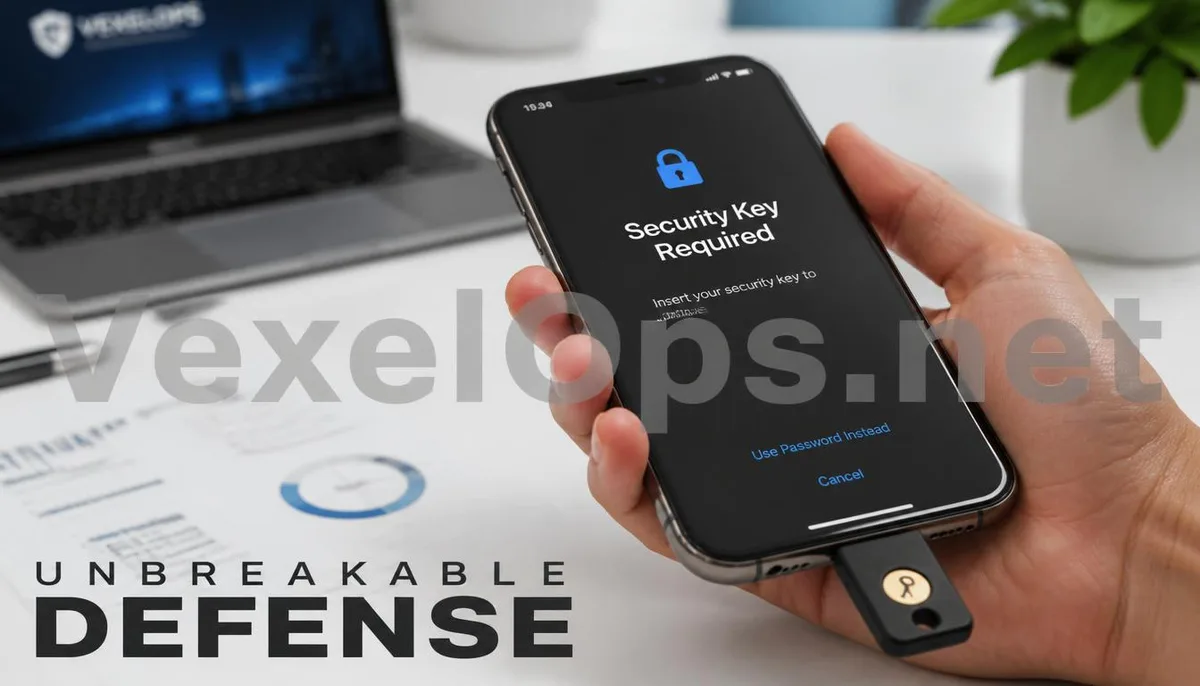
- Hardware-level security keys: Utilizing physical keys based on the FIDO2 standard to block remote account hijacking from a physical perspective.
- Abnormal monitoring of system logs: Regularly checking login activities and system access records to promptly detect unusual frequent failures.
Common Questions About Passwords and Software Security
Why is my sixteen-character complex password still being cracked?
Passwords are often cracked not solely through brute force calculations; more frequently, it's due to credential stuffing attacks arising from database leaks. If your password is reused across multiple platforms, once one platform is breached, other accounts are also at risk. Additionally, if your computer is compromised with a keylogger, no matter how complex your password may be, it can be captured by hackers. It is advisable to use password management tools to generate unique passwords for each platform, along with incorporating physical authentication devices.
Does using cracked software really lead to computer surveillance?
Yes, this is a high-probability situation. Crackers, while modifying the software licensing logic, typically also implant remote access trojans. These backdoor programs can bypass most antivirus solutions, stealing your personal files, webcam permissions, and financial information in the background. Using legitimate software is not only about supporting developers, but it is also the most fundamental investment in protecting your digital privacy.
How can I determine if my account is under brute force attack?
The most obvious sign is that you frequently receive abnormal login verification codes via text message, or you find numerous failed attempts from unfamiliar IPs in your login records. If the system indicates that the account has been temporarily locked due to multiple failed login attempts, this usually means an attack is in progress. At this point, you should immediately change your password and check if the associated recovery email is still secure.
One Key Takeaway: Password and authorization defenses are a long-term technical confrontation. Through long passwords, multi-factor authentication, and rejecting illegal software, combined with professional system audits, you can establish a highly resilient digital barrier to protect personal and asset security.