
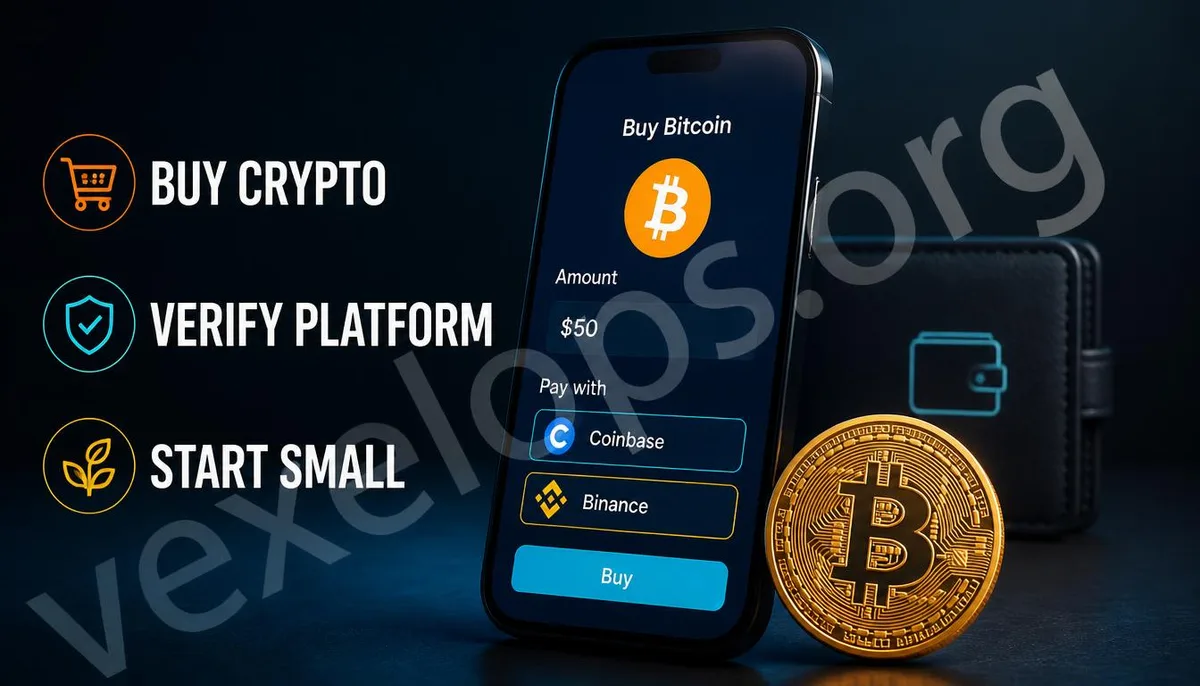
Understand the Difference Between Exchanges and Wallets Before Purchasing Cryptocurrency
Beginners typically start by purchasing Bitcoin, Ethereum, or other cryptocurrencies on an exchange. Exchanges provide accounts, deposits, buying and selling, and withdrawal functionalities, allowing users to complete transactions through the platform interface; wallets, on the other hand, are tools for managing blockchain addresses and controlling asset ownership. Both can be offered within the same company’s services, but their functions and responsibilities are not completely identical. After purchasing on an exchange, the assets may initially be held by the platform. This method is convenient for those just starting to understand the trading process, but users need to rely on the platform's account security, withdrawal rules, and service stability. If assets are withdrawn to a self-custodial wallet, users must manage their recovery phrases or private keys themselves; once lost or leaked, there is usually no central customer service to help you reset them. Therefore, when buying cryptocurrency for the first time, there's no need to rush to transfer all assets to an unknown wallet. First, understand the differences between exchange accounts and self-custodial wallets before
How to Choose Between Binance, Coinbase, and Kraken? Beginners Should Check These Items First
Binance, Coinbase, Kraken, and OKX are common exchanges that beginners search when looking to buy cryptocurrency, but name recognition does not equate to suitability for all regions or users. Different platforms may have varying available countries, fiat currencies, payment methods, cryptocurrency options, verification requirements, and withdrawal limits. Users should refer to the platform's official pages and the latest rules in their area. When choosing a platform, consider checking the following:
The domain of the official website or app, developer name, and download source. Whether it supports account registration, fiat transactions, and payment methods in your region. Whether it offers two-factor authentication, login notifications, withdrawal whitelists, or other account protection features. What fees apply to buying, selling, deposits, and withdrawals. Whether customer service access, asset custody, and account limitations are clearly explained.
If you wish to see the actual purchasing process, you can refer to the Binance Official Beginner's Guide. The official process usually requires registering an account, completing identity verification, adding a payment method, and then going to the purchase page to select assets and amounts. This is just a procedural example; it does not mean Binance provides the same services in all regions, nor does it mean users must choose this platform. Warning: Links to exchanges found in search results, community ads, and private messages may be phishing sites. It is advisable to navigate to the platform’s official homepage directly rather than using login or deposit URLs sent by strangers.
How to Complete Registration, Identity Verification, and Deposit Fiat Currency
When establishing an account on an exchange, you usually need to use an email address or phone number, and complete identity verification. KYC may require identification documents, proof of residence, or a selfie for verification; specific requirements may vary by platform and region. Before submitting information, confirm that you are operating on the official website or app, and check if the browser's domain is correct. After the account is created, first complete safety settings before considering adding a payment method. It is recommended to enable two-factor authentication, set a unique and non-repeating password, turn on login notifications, and save official customer service access. Never share SMS verification codes, authentication codes, passwords, or recovery phrases with anyone claiming to be customer service. Fiat deposits may include bank transfers, debit cards, credit cards, or other methods supported by the platform. The processing times and costs may vary for different methods, so check the total costs before depositing. Credit or debit cards might be quicker, but are not necessarily the cheapest; bank transfers might take longer, and may also be subject to bank
How to Place an Order When Buying Cryptocurrency for the First Time? Look Carefully at Assets, Amounts, and Total Costs
After completing the deposit, enter the exchange's Buy, Buy Crypto, or trading page to search for the asset you want to purchase. Confirm the cryptocurrency name and ticker to avoid mistaking similarly named tokens for Bitcoin, Ethereum, or other mainstream assets. When entering amounts, also check the actual quantity received, trading price, platform fees, payment fees, and possible price spreads. Common order types for beginners include market orders and limit orders. A market order is a direct and quick purchase at the currently available market price, but the actual transaction price may vary from the expected due to market fluctuations. A limit order sets the price you are willing to accept, only executing when the market conditions are met, which may take a long time without any execution. Before final confirmation, you should review the order preview screen:
- Verify that the asset name and trading pair are correct.
- Verify the fiat currency, payment account, and purchase amount being used.
- Verify the transaction fees, spreads, and expected quantity received.
- Verify whether the order type is a market order or limit order.
- Finally, confirm the total amount before pressing confirm purchase.
After completing the purchase, save the order number, transaction time, asset quantity, and cost details. These records can help view costs later, address platform issues, or organize your asset records, but do not save or share your login details or verification codes with others.
After Buying Cryptocurrency, Should You Leave It on the Exchange or Transfer to a Wallet?
There is no one-size-fits-all answer to how to store it after purchase. Keeping it on the exchange is generally more convenient for those needing frequent trades or who are still unfamiliar with using self-custodial wallets; however, account security, platform withdrawal rules, and operational status can all affect asset use. Transferring to a hot wallet allows users to manage their assets themselves but increases the responsibility for the security of devices, browsers, and recovery phrases as well. If you choose to withdraw to TokenPocket, imToken, or another wallet, first confirm the withdrawal address, token type, and blockchain network before conducting a small test transfer. USDT may exist on Ethereum, TRON, and other networks; choosing the wrong network may lead to assets not displaying where expected. Before withdrawing, look not only at the token name but also confirm that both the exchange and wallet support the same network. Once self-custodial wallets are established, recovery phrases should be stored offline—don’t capture screenshots, upload them to the cloud, or enter them on unknown websites. Anyone claiming to be customer service, a hacker, an exchange, or
Common Questions About Buying Cryptocurrency for Beginners
How Much Should You Buy When Purchasing Cryptocurrency for the First Time?
There is no fixed amount suitable for everyone. Beginners should first understand that cryptocurrency prices can fluctuate rapidly and only use funds that will not impact daily life if lost. Do not purchase highly volatile assets with borrowed money, rent, medical expenses, or funds required for short-term obligations. If you simply want to familiarize yourself with the trading process, you can start with a small amount to test the registration, identity verification, deposit, ordering, and order record viewing processes. The key to small-scale operations is to be familiar with the procedures; it does not mean the risks have disappeared, nor does it imply that later investments should necessarily increase.
Which Is the Most Suitable for Beginners: Binance, Coinbase, Kraken, or OKX?
You cannot determine which platform suits you solely based on global rankings. Users should compare the availability in their regions, fiat currencies, payment methods, verification requirements, transaction fees, withdrawal support, account security features, and customer service quality. The functionalities of different platforms may change based on region and time, so refer to the official latest explanations. If you see articles, videos, or social media accounts claiming that a certain exchange is guaranteed to profit, has zero risk, or can operate on your behalf, be cautious. While the names of exchanges can serve as search entries, you should not skip verifying official domains and checking transaction details based on brand recognition.
Should You Keep Your Acquired Cryptocurrency on the Exchange or Transfer It to a Wallet?
Keeping it on the exchange is more convenient and suitable for those who need to trade or are still unfamiliar with self-custodial options; transferring to a wallet might allow users to manage their assets directly, but it also requires protecting recovery phrases, private keys, devices, and transaction networks independently. Before choosing, ensure you understand whether you can accurately back up and verify withdrawal details. Regardless of where assets are held, always enable account security features and perform small test withdrawals first. If you choose a self-custodial wallet, do not share recovery phrases with any customer service or website; if you leave them on the exchange, do not use the same passwords or ignore unusual login notifications.
One Key Takeaway: First confirm the platform and fees, then complete your first purchase with a small amount.