

The Alluring Prices Behind: The Technical Disguise of One-Page Ads
One-page ads have become the preferred harvesting tool for scam groups. These ads typically appear on mainstream social media platforms like Facebook and Instagram, using extremely low discounts, limited-time purchases, and exaggerated product benefits as bait. On a technical level, these webpages often employ lightweight architecture, allowing them to be quickly duplicated and have domain names changed to evade platform audits and reports. For consumers, these pages are highly deceptive. They often misuse legitimate brands' logos, videos, and promotional images, and fabricate thousands of positive reviews. Scam groups exploit consumers' desire for value by incorporating countdown timers into the pages, artificially creating a sense of urgency that entices victims to place orders and input sensitive personal information without validation. Understanding the operational characteristics of fake malls is the first step in prevention. We must be aware that when a product's price is significantly lower than the market rate, and the webpage lacks complete contact information and after-sales guarantees, there are often severe cybersecurity threats hiding behind it. The aim of criminal
Key Features to Identify Fake Malls: How to See Through Visual Disguises
Although scam groups are skilled at disguises, they still leave traces in technical details and operational logic. By observing the following dimensions, consumers can effectively identify potential online shopping traps:
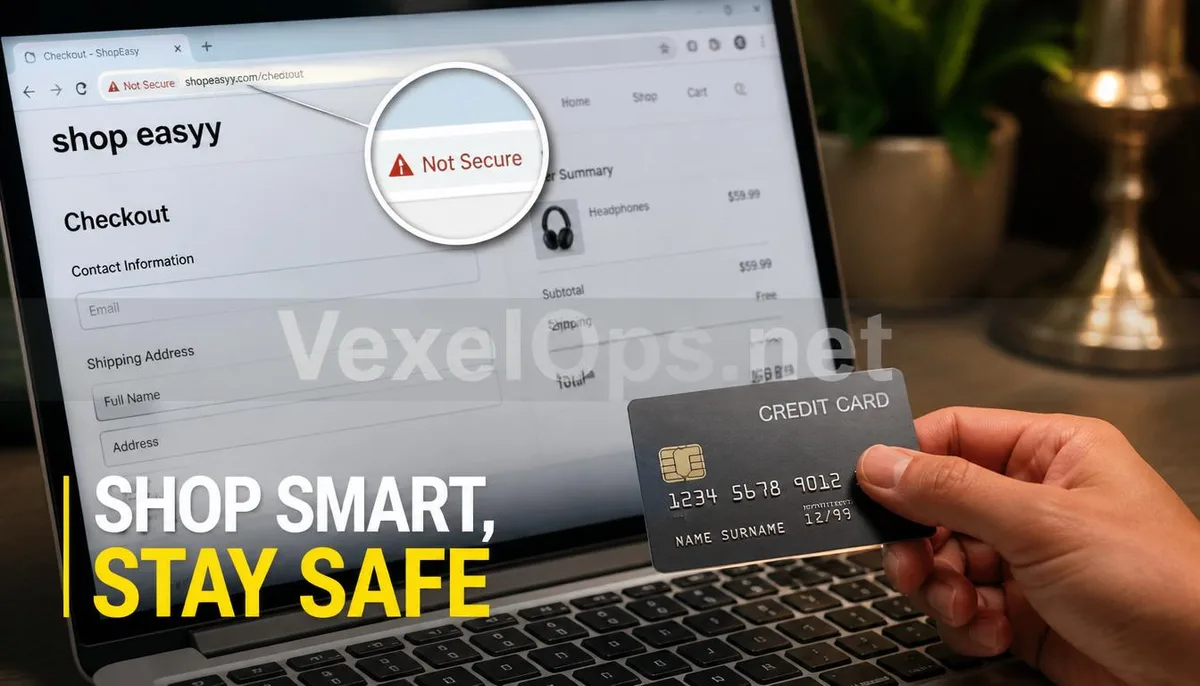
- Abnormal domain names: using meaningless letter combinations or misrepresenting well-known brand spellings.
- Lack of contact: webpages only offer online customer service or forms, with no fixed address or phone number.
- Payment restrictions: forcing payment on delivery or using non-mainstream cryptocurrency transfers.
- Grammar errors: pages filled with awkward translations or inconsistent currency symbols.
Safeguarding Payment Security: Practical Measures Against Fraud and Data Breaches
Facing the myriad of online shopping threats, users need to establish a multilayered defense system to ensure the security of the payment process. This not only involves the choice of tools but also vigilance over data flow.
- Prioritize using third-party payment platforms: making payments through platforms with performance guarantees effectively isolates the seller's access to your card number.
- Enable real-time SMS notifications for card transactions: ensure each transaction can be tracked immediately, allowing for prompt contact with the bank if unauthorized transactions are detected.
- Initiate professional cybersecurity risk audits: if you have entered information on suspicious websites, VexelOps's technical team can assist you in monitoring whether your account appears on leak lists. We will provide targeted
Rational Defense in Digital Consumption: Establishing Long-Term Security Strategies
Protecting asset security is an ongoing self-education journey. As scams evolve, consumers also need to update their knowledge of defenses. This includes critical thinking about social media ads and strict control over personal data rights. Conducting multiple verifications before placing an order, such as searching for reviews of the mall or confirming the authenticity of promotional activities through official channels, can effectively filter out over 90% of malicious links. Rational consumer habits combined with professional technical monitoring can ensure the absolute security of your digital wallet while enjoying the conveniences of e-commerce.
Frequently Asked Questions about Online Shopping Fraud and Fake Mall Risks
Why did I choose cash on delivery, yet the product I received is completely different from the picture?
This is the most common outcome of one-page ad scams. Scam groups exploit the cash on delivery option to lower consumers' guard, sending low-quality items or completely unrelated junk. Since logistics companies only collect the payment on behalf of the seller, once you open the package and make the payment, it becomes extremely difficult to retrieve your funds. On a technical level, this type of scam exploits the information gap between logistics and payment. Criminal organizations evade regulation by using a large number of dummy accounts and false shipping addresses. It is advised that even when opting for cash on delivery, you should check the integrity of the package's outer wrapping before signing, and verify that the sender's information matches the mall's description to avoid becoming a victim of such physical harvesting.
Is there still danger if I only entered my credit card number on a fake mall without making a payment?
Yes, this poses a high risk. Many fake malls send the data you enter, including card number, expiration date, and security code, to the scam group through malicious scripts at the moment you input them, even if you finally do not click the payment confirmation button. This behavior is called data scraping. After acquiring this information, criminal organizations may package it for sale on the black market or conduct small unauthorized transactions late at night to test the validity of the card. If you have entered card information on suspicious pages, VexelOps recommends that you immediately contact the bank to report the card and check recent transactions to ensure there are no unauthorized outflows of funds.
What should I do if I find out I've been scammed while online shopping and need technical support to recover my losses?
First, immediately retain all transaction communications, ad screenshots, and logistics documents. Then, file a dispute with the relevant payment platform and bank regarding the account charges. This original data serves as important evidence for tracking the flow of funds from the scam group. Finally, seek assistance from a professional cybersecurity team. Experts can help you analyze the server nodes and technical characteristics of the fake mall to determine if it belongs to a known transnational criminal organization. Through professional digital forensics and threat intelligence comparison, victims can obtain reports with technical credibility, crucial for subsequent legal rights protection or claims against platforms.
One Key Takeaway: The core of online shopping scams lies in price bait and technical disguise. By verifying domain names, using third-party payments, and utilizing professional cybersecurity audit services, you can effectively identify one-page ad traps and safeguard your credit card information and digital assets.