

Invisible Listeners: The Technical Core of Man-in-the-Middle Attacks
A Man-in-the-Middle attack is a highly deceptive method of cyber invasion. Technically, attackers position themselves between two communicating parties (such as a user's smartphone and the target server), intercepting, reading, and even modifying the data transmitted without detection. Experts indicate that public Wi-Fi environments, lacking strict physical access control and strong encryption protocols, have become a natural testing ground for fraudsters executing Man-in-the-Middle attacks.
In-Depth Analysis: The Technical Pathways Fraudsters Use to Hijack Network Traffic
- Setting up Evil Twin Hotspots: Fraudsters create a fake hotspot with an identical name to the official Wi-Fi of a location. When a user's phone automatically connects to this stronger fake signal, all network traffic flows through devices
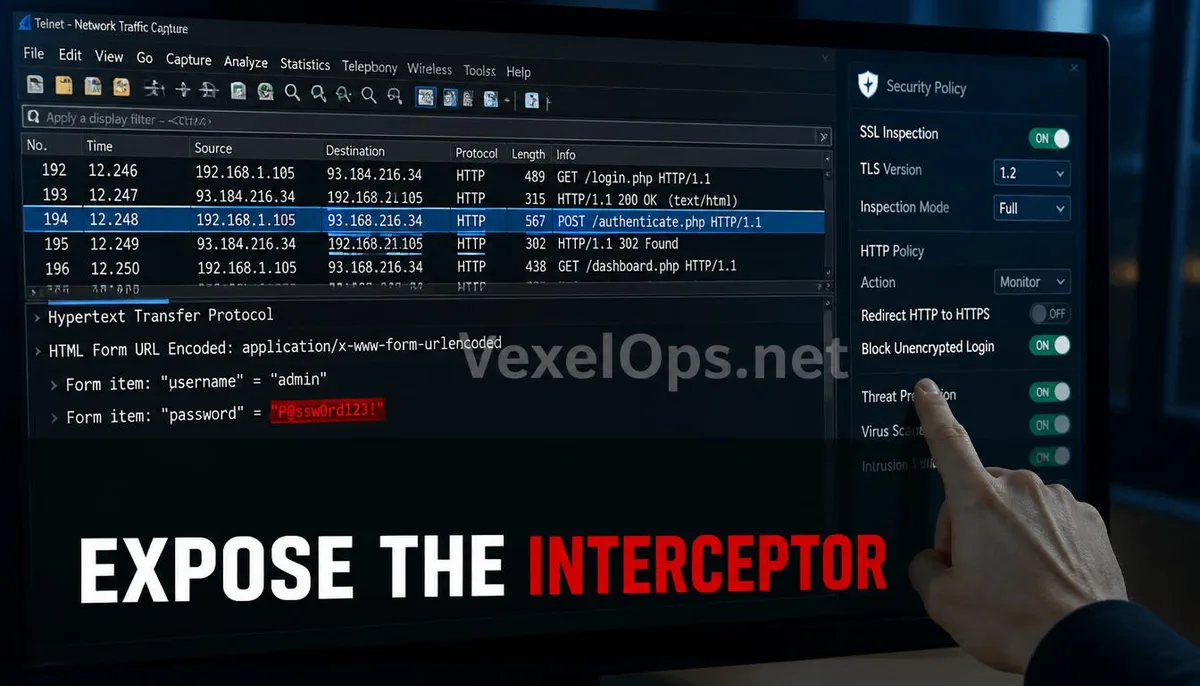
- Downgrade Attacks and SSL Stripping: To read encrypted HTTPS traffic, fraudsters utilize specific tools to forcibly downgrade a user's connection to the insecure HTTP protocol. This reverts the originally encrypted login information to
- Data Sniffing and Analysis: Using professional packet analysis tools, fraudsters can accurately filter massive amounts of traffic to extract data fragments containing account credentials, passwords, session cookies, and private
- Malicious Script Injection: While a user browses a webpage, fraudsters can inject fake login windows or ads into the page, prompting users to voluntarily input sensitive information.
It is crucial to clarify that the design of internet communication protocols is intended to enhance the efficiency of global information exchange, while fraudsters leverage them for illegal profit.
Establishing a Secure Connection Environment: Public Network Defense Strategies
In facing threats in open network environments, users need to establish proactive defensive awareness.
- Disable Automatic Connection Features: Turn off the automatic joining of known Wi-Fi networks in your mobile settings to effectively prevent devices from inadvertently connecting to the crime syndicate's evil twin hotspot.
- Enforce the Use of Encrypted Tunnels: When connecting to any public network, prioritize activating a Virtual Private Network (VPN) with strong encryption protocols, which provides an unbreakable encryption shell for your data packets. Even
- Implement Network Behavior Audits: If you notice abnormal logins or sensitive information leaks after using the network in public places, this could mean your connection path has been compromised.
The VexelOps technical team can assist you with deep network connection forensics and account security audits. We can analyze the specific timing and geographical location of data breaches, helping victims identify the affected data range and providing professional hardening solutions to ensure your digital footprint is no longer threatened by criminals.
Common Questions About Public Wi-Fi Security and MitM Attacks
Why do I receive a security alert when I connect to the official airport Wi-Fi?
This is typically because fraudsters have set up a fake hotspot with an identical name on-site. When your device detects two hotspots with the same name but inconsistent security certificates, the system issues a warning. Additionally, if fraudsters are implementing an SSL stripping attack, your browser will alert you that the connection is not secure. Upon encountering such alerts, you must immediately disconnect and switch to mobile data, as this means your network traffic is most likely being monitored by a third party. VexelOps recommends users maintain high vigilance against certificate error alerts in public places, as they are the most direct technical indicators of a Man-in-the-Middle attack.
Is there still a risk if I only browse the news on public Wi-Fi without logging into accounts?
The risk remains. Although fraudsters cannot directly obtain your account password, they can analyze your browsing habits, interests, and even the unique identification code of your device through traffic analysis. More dangerously, malicious plugins or scripts may be silently implanted in your browser cache while you are browsing ordinary web pages. These scripts may continue their theft operations in the background when you return to a secure network and log into important accounts. Therefore, treating public Wi-Fi as a completely untrustworthy environment and using encryption protection for any operations is the most robust security strategy.
What should I do if I find my account stolen after using public Wi-Fi?
- Immediately isolate the affected device: Stop any sensitive operations on that device, and switch to a secure network to change all core passwords.
- Revoke all active sessions: In your account security center, select to forcibly log out from all devices to invalidate any potentially hijacked login tokens.
- Contact a professional technical team: Reach out to VexelOps for comprehensive connection log analysis and account authentication.
We will assist you in tracing the specific path of data breaches and determining whether fraudsters have implanted persistent monitoring backdoors in your device. Through professional digital investigative techniques, we can help victims reconstruct the attack process and provide targeted asset protection advice to prevent fraudsters from exploiting the stolen information for further gains.
One Key Takeaway: The core of Man-in-the-Middle attacks lies in traffic interception and protocol downgrades. By rejecting automatic connections, enforcing the use of encrypted tunnels, and utilizing professional cybersecurity audit services, you can effectively navigate the fake hotspot traps and protect your digital privacy and account security.