

Technical Overview: The Design Background of the SS7 Signaling System
SS7 (Signaling System 7) is a global telecommunications protocol developed in the 1970s, responsible for handling call routing, SMS transmission, and roaming services in international communications. Due to its age, the system is based on complete trust between telecommunications operators, lacking the encryption and authentication mechanisms required for modern network security. This technical flaw renders the communication security of billions of mobile devices worldwide extremely vulnerable in the face of attackers with specific privileges.
In-depth Analysis: The Technical Pathway of Fraud Groups Intercepting SMS
- Accessing the global signaling network: Fraud groups typically gain access to the SS7 network through illegal means or by renting insecure third-party telecom gateways.
- Updating location information: Exploiting system vulnerabilities to send forged location update requests. The fraud group informs the network that the target phone is roaming under a virtual node they control.
- Hijacking SMS traffic: Once the location information is successfully modified, the telecom network mistakenly believes that the target phone is within the fraud group’s control, thus directly forwarding messages originally intended for the
- Implementing account hijacking: After obtaining the instant verification code, the fraud group can swiftly complete bank transfers or change social media passwords without the victim's awareness.
It must be clear that the SS7 protocol itself is a cornerstone of global communication, maintained by professional telecommunications engineers. However, those exploiting these outdated protocol vulnerabilities for criminal gain are fraud groups specializing in illicit profit.
Defensive Practices: Enhancing the Security Level of Digital Identities
Faced with the structural flaws of underlying telecom protocols, individual users find it difficult to technically fix the SS7 vulnerabilities but can mitigate risks by changing verification habits.
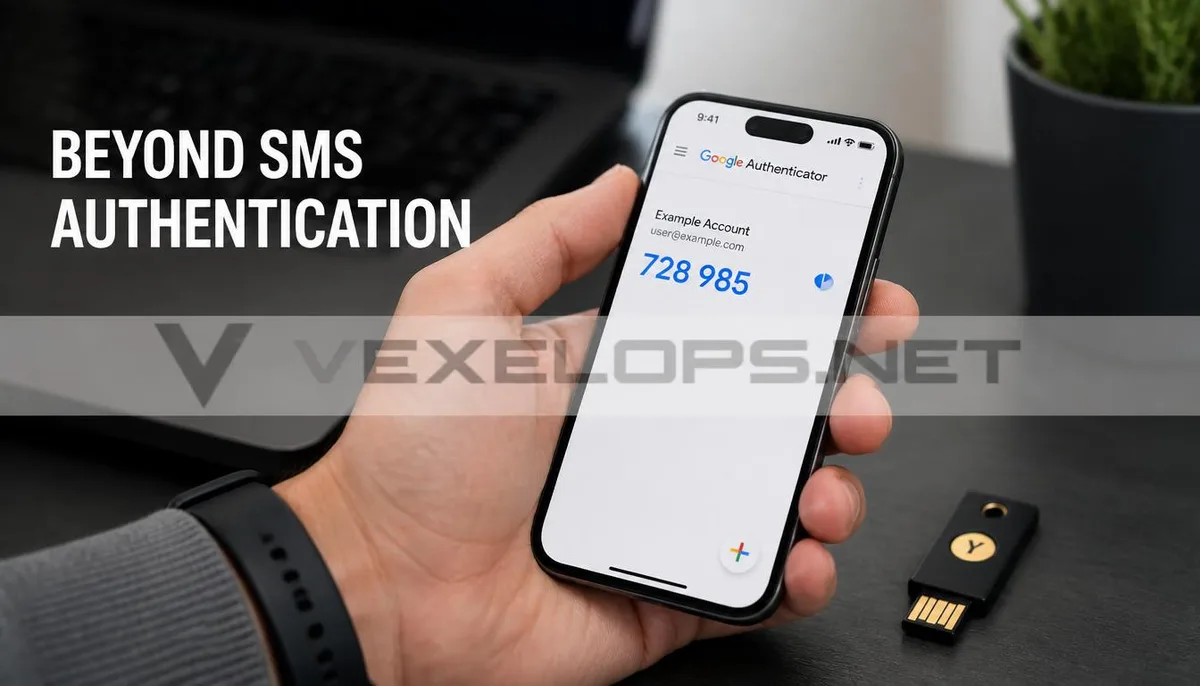
- Abandon SMS verification codes: For banks, exchanges, or core social accounts, prioritize using Time-based One-time Password (TOTP) applications (such as Google Authenticator) or physical security keys (FIDO2), which do not rely on
- Enable account notification reminders: Set up immediate notifications via email or app pushes for account logins or fund movements, ensuring that any anomalies are detected promptly.
- Contact professional technical audits: If you suspect your communications may be under illegal surveillance, VexelOps' professional team can assist you in performing an in-depth audit of account connections. We can identify unusual login
Frequently Asked Questions About the SS7 Vulnerability and SMS Security
Why don’t telecom companies fix SS7 vulnerabilities?
Fixing SS7 requires hundreds of global operators to simultaneously upgrade hardware and protocols, which involves significant costs and compatibility issues. Although 5G networks introduced more secure protocols, due to global roaming and backward compatibility requirements, SS7 will continue to exist for a long time to come.
Will my phone show any signs during an SMS interception?
This is precisely where the danger of SS7 attacks lies. During the interception process, the victim's phone typically shows no anomalies, and the communication signal appears normal. Users often only realize they've been attacked when funds are missing or accounts fail to log in.
Can changing my SIM card solve the problem?
No. SS7 attacks target the routing logic of your phone number within the telecom network, not the physical SIM card. As long as your number is still in use, the risk remains.
One Key Takeaway: The SS7 vulnerability exposes SMS verification codes to interception risks. By adopting app authenticators, physical security keys, and utilizing professional cybersecurity audit services, you can effectively bypass the flaws of outdated telecom protocols and establish a resilient digital identity defense.