
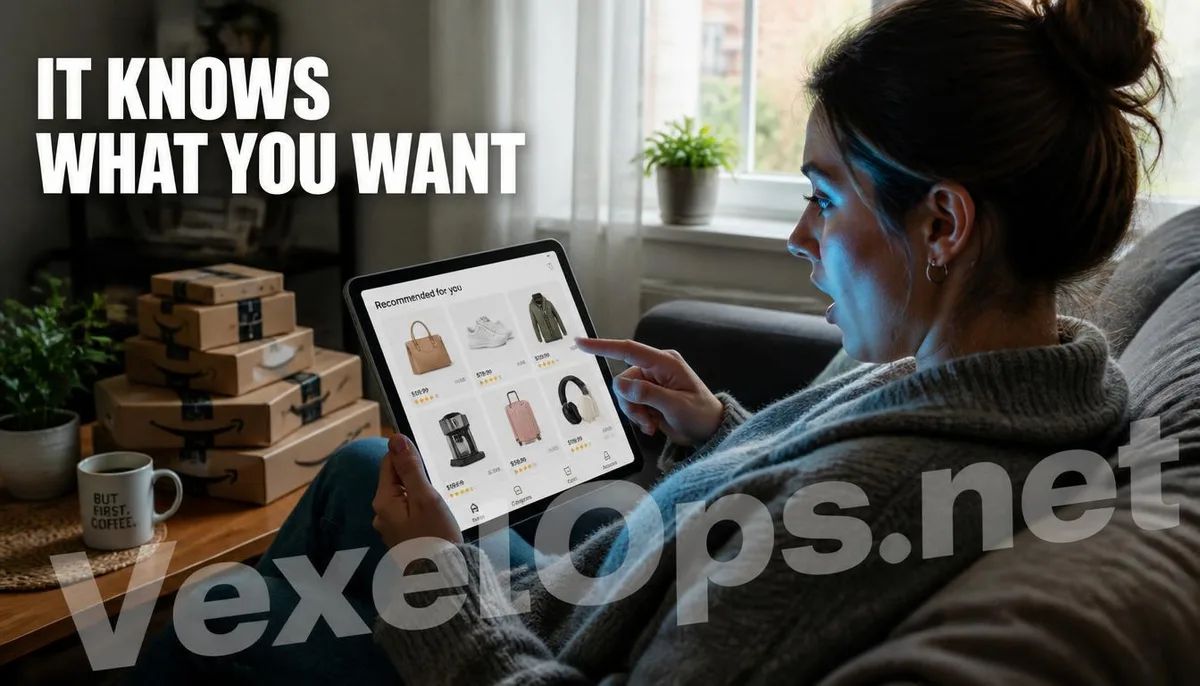
Home Recommendations That Can Feel Uncomfortable
When you open a frequently used shopping app, the recommended products on the homepage can sometimes be startlingly accurate. Even if you've only browsed an item once or simply viewed similar products on other websites, related items can reappear prominently within days of reopening the app. This experience isn't merely a coincidence from a single browsing action but is the result of a long-term, continually operating consumer profiling system that accumulates data.
What Kind of Behaviors Are Collected for Consumer Profiles?
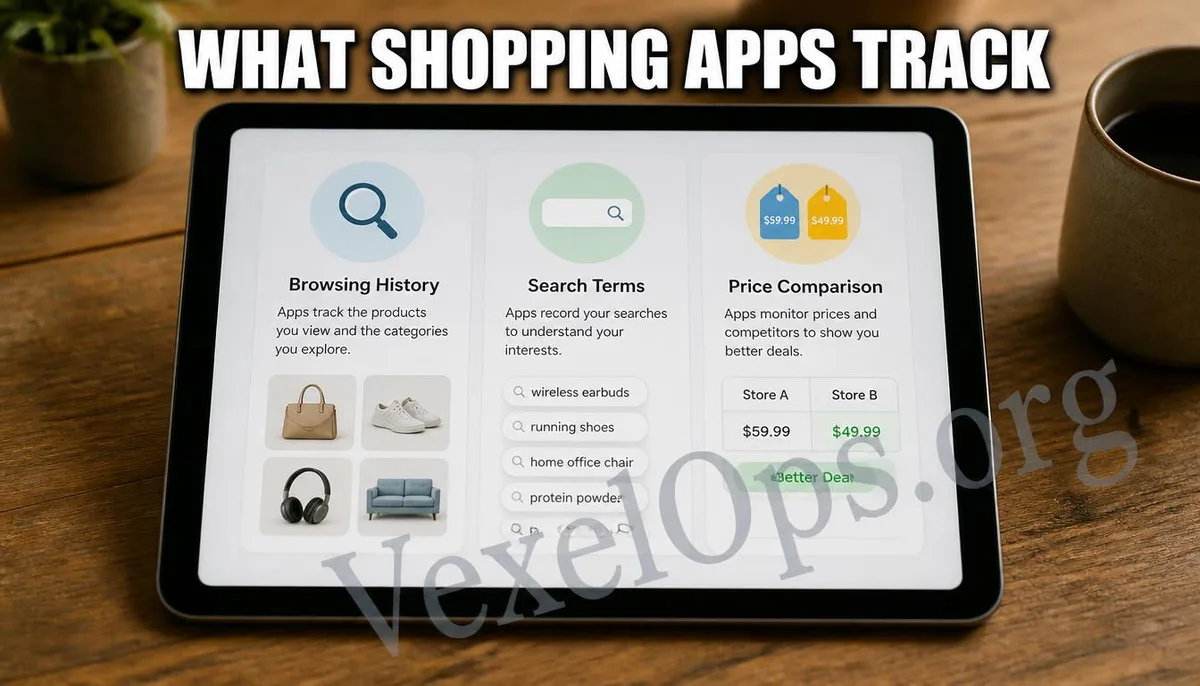
The creation of consumer profiles encompasses far more aspects than most people realize, extending beyond just actual purchase records. Browsing behavior itself is an important source of data, including which product pages are viewed, how long the user stays, and whether items were added to the cart without proceeding to checkout. These seemingly inconsequential actions are viewed by the system as signals of interest that accumulate over time. Search history is also a critical component; keywords entered in the app's built-in search bar are used to deduce recent demand trends, even if no search results are ultimately clicked. Price comparison and browsing competitor products are also recorded. Some apps utilize software development kits installed on devices, which are embedded within the app to collect user behavior and report it to partner companies, observing whether users are browsing similar products on other shopping platforms to estimate their purchasing intent and price comparison habits.
What Can Be Inferred From This Accumulated Data?
A single browsing or searching action is unlikely to yield specific conclusions; however, these behaviors, when accumulated over time, create a rather detailed profile. The system can estimate a user's general spending capacity range based on past purchase amounts and preferred product categories. It can infer life stage changes, for example, if a user frequently browses baby products, the system may conclude that a new baby is on the way and adjust subsequent product types recommended. It can even estimate purchasing rhythms and gauge how frequently the user may engage in particular types of spending, prompting reminders or discounts as those times approach.
How Can You Reduce the Level of Analysis?
If you do not wish to have your shopping habits analyzed in such detail, there are several practical steps you can take: - Regularly clear the built-in search and browsing history in shopping apps; most apps offer this option in account settings. - Check the personalization recommendation settings in the app; some platforms allow users to disable personalized recommendations based on browsing behavior. - Use your browser's incognito mode for price comparison browsing, to reduce opportunities for behavior data across different platforms to be correlated through shared software development kits.
Commonly Asked Questions About Consumer Profiles
Will Using Different Accounts for Shopping Avoid Building a Consumer Profile?
The effectiveness is limited. Most consumer profiling systems do not rely solely on accounts; they also use device identifiers, browser fingerprints, payment methods, and other information to link behaviors behind different accounts back to the same user. Even if multiple accounts are used to diversify purchase records, if device or payment information overlaps, there is still a chance the system can deduce these accounts belong to the same individual. Truly separating identities requires simultaneous use of different devices and network environments, which is quite impractical for typical users.
Will This Data Be Sold to Other Companies?
In most regions, data protection laws require businesses to comply with relevant notification obligations when collecting and using consumer behavior data, usually summarized in lengthy privacy policy terms that explain with whom the data may be shared and for what purposes. In practice, such data may indeed circulate between companies and advertising partners, but typically in a de-identified or aggregated analysis form, rather than selling personal identifying information outright. It is advisable to take time to review the sections on data sharing in privacy policies when installing new shopping apps to understand how your data may be used.
Is Consumer Profile Analysis Entirely Bad for Consumers?
Not entirely. From the perspective of consumer experience, this system can indeed provide practical conveniences, such as finding relevant products more quickly and receiving genuinely pertinent promotional information rather than being bombarded by irrelevant advertisements. The contentious points mainly revolve around the transparency of data collection and whether users are clearly informed and consent to the extent of such analysis. Understanding how this mechanism operates can help users make more conscious choices between convenience and privacy, as opposed to passively accepting implications without being fully aware.
One Key Takeaway: The precise recommendations of shopping apps come from the long-term accumulation of behaviors such as browsing, searching, and comparing prices, rather than a one-time coincidence. Regularly clearing browsing history and adjusting personalized recommendation settings can reduce the level of detail analyzed to some extent.