
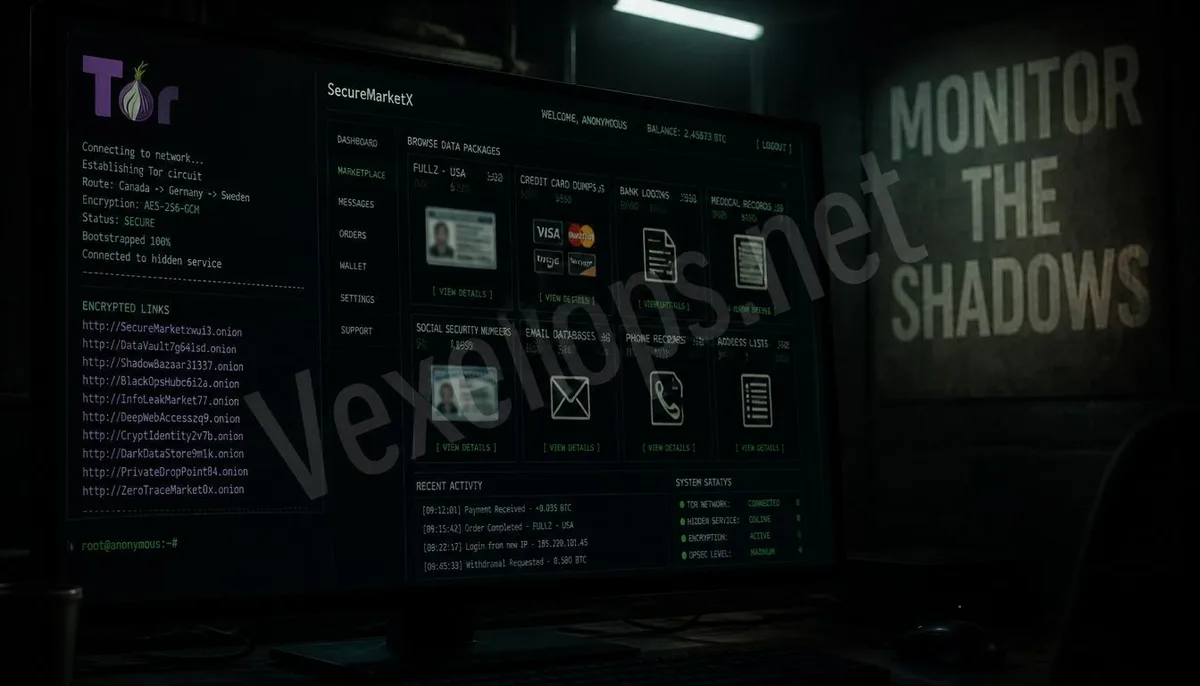
The Underground of the Digital World: The Technical Structure and Secrecy of the Dark Web
The dark web is not an independent entity but a network overlay built on existing internet infrastructure. It primarily operates through specialized protocols such as Tor or I2P, characterized by multiple layers of encryption and random hops between communication nodes. Technical experts regard this structure as the pinnacle of anonymous communication, aimed at protecting the safety of political dissidents or sensitive information transmitters. However, this high degree of anonymity also provides a perfect haven for scammers. Domain names on the dark web are usually strings of meaningless character combinations, and they cannot be found through traditional search engines like Google or Bing. This technological barrier makes the dark web a gray area for legal regulation. To ordinary readers, the dark web is filled with mystery, but in the eyes of cybersecurity specialists, it is a chaotic market brimming with vulnerability trading, malware leasing, and large-scale database sales. Scammers exploit the concealment of the dark web to establish a complete ecosystem of crime. They recruit technicians, purchase attack tools, and launder and resell stolen user assets. Understanding the
The Technical Means Used by Scammers to Trade Data on the Dark Web
- Automated Data Crawling and Integration: Scammers utilize crawling tools to search for relevant information in various data breach databases about specific targets. They cross-reference data from different platforms to piece together a
- Digital Asset Bidding and Auctioning: On dark web black market forums, valuable accounts or corporate credentials with special permissions are publicly auctioned. Criminal organizations bid based on factors like the number of followers,
- Malware as a Service (MaaS): Technical experts develop high-end ransomware or monitoring scripts, renting them out to scammers on a subscription basis. This allows criminals without advanced technical backgrounds to conduct
Identifying Data Breach Risks: How Your Information Flows to the Black Market
- Platform Server Compromise: This is the largest source of data. When the servers of major social media, e-commerce platforms, or hotel systems are breached, millions of user records instantly leak onto the dark web.
- Phishing Sites and Malware Harvesting: Users unknowingly enter information on fake websites, or their computers are infiltrated with keyloggers. This raw data is immediately uploaded to the scammers' control end and subsequently sold on
- Credential Stuffing Attacks: Scammers use breached usernames and passwords to automatically attempt logins on other platforms. Once logged in successfully, the account is marked as a valid asset and sold at a higher price on the dark web.
When you suspect that your information is circulating on the dark web, VexelOps’ professional technical team can assist you with a thorough data breach audit. We utilize professional monitoring tools to search global dark web forums for data fingerprints related to you, providing immediate technical alerts and account fortification solutions upon detection of leakage, assisting victims in severing the chain of crime before further damage occurs.
Establishing Proactive Defense: Preventing Personal Information from Flowing on the Dark Web
- Implementing Unique Password Principles: Set completely independent and complex passwords for each important platform. This ensures that even if one platform experiences a data breach, your other accounts are not at risk of credential
- Enabling Hardware Two-Factor Authentication: Prioritize using physical security keys or application authenticators. This verification method does not rely on possibly leaked static passwords and can effectively block scammers from logging
- Regularly Cleaning Digital Footprints: Delete seldom-used old accounts and reduce the sharing of excessive personal sensitive information on social media to lower the likelihood of data correlation analysis by scammers.
Common Questions About Dark Web and Data Breach Security
Why Is My Information Appearing on the Dark Web When I Have Never Been There?
Your information appearing on the dark web is often not due to personal operational mistakes but due to large-scale data breaches at third-party platforms you trust. When you make purchases, use social media, or open bank accounts, your data is stored on their servers. Once these servers are compromised by scammers, your personal information can be packed, downloaded, and sold on the dark web. This is why VexelOps emphasizes that protecting privacy requires not only personal vigilance but also assessing the security of service providers.
How Can I Know If My Email or Password Has Been Leaked on the Dark Web?
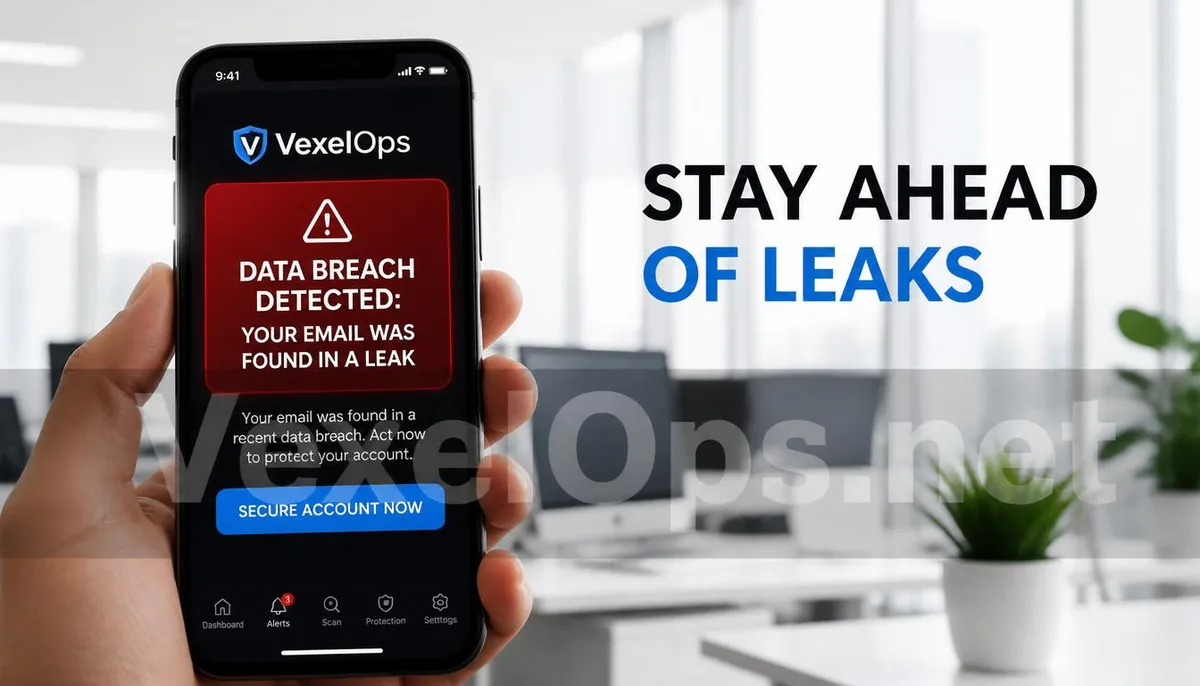
You can use some professional cybersecurity monitoring services to check. These services collect records of publicly disclosed data breaches and allow users to query whether their emails are included. If you find your information on a breach list, it signifies that scammers likely have access to your credentials. VexelOps advises users to immediately change the passwords of affected accounts upon receiving such alerts and to check for any unusual login records or API calls.
If My Data Has Already Been Traded on the Dark Web, Can I Delete It?
In the decentralized and anonymous environment of the dark web, once data is posted, completely deleting it is almost impossible. Data can be downloaded, backed up, and forwarded by countless criminal organizations. However, you can take damage control measures. By changing the passwords for all affected accounts, enabling multi-factor authentication, and monitoring credit reports, you can render the leaked data economically worthless. VexelOps’ expert team can assist you in conducting comprehensive digital environment cleaning, identifying and eliminating follow-up threats that may arise from data breaches, and helping you establish secure defense boundaries in the digital world.
One Key Takeaway: The dark web is the endpoint for data trading, while the starting point for defense lies in controlling the source. By implementing unique passwords, hardware-level authentication, and utilizing professional data monitoring services, you can effectively reduce the risks of asset loss caused by data breaches and protect your personal sovereignty in the digital realm.