
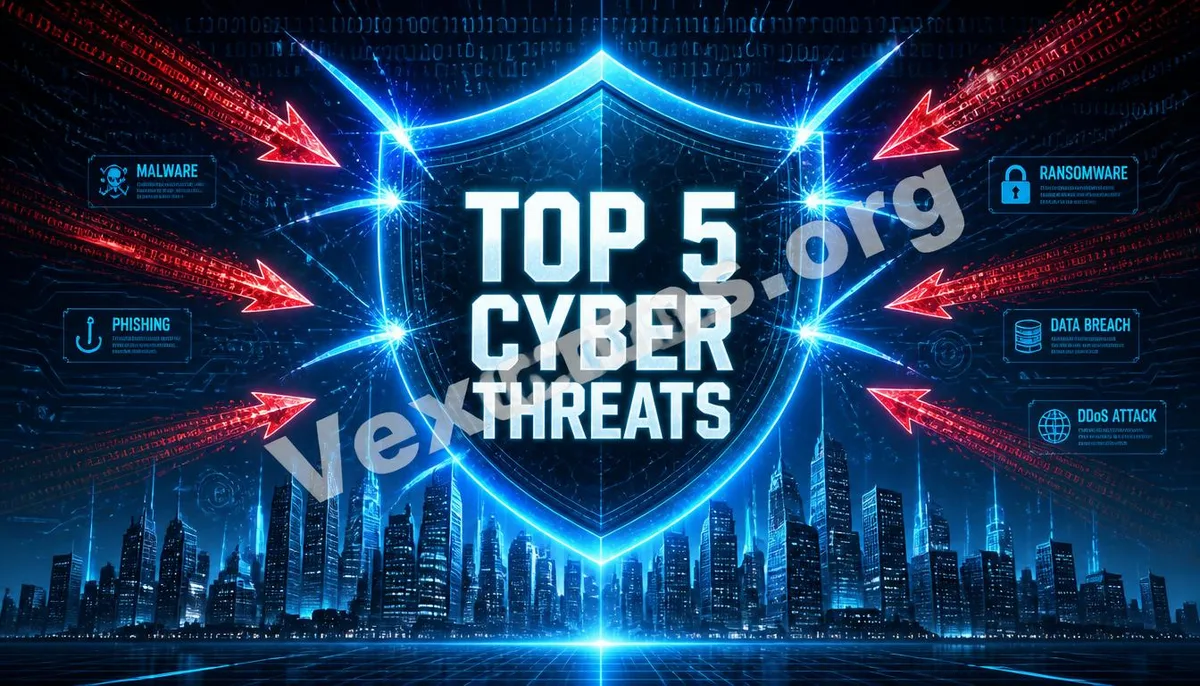
Understanding the Extreme Threat Environment in Current Cybersecurity
In the process of digital transformation, the cybersecurity threats we face are no longer just simple virus infections. According to the annual report from cybersecurity agency Check Point, the frequency and complexity of global cyber attacks are climbing year by year. Hackers use advanced automation tools to search for system vulnerabilities on a large scale.
- Automated scanning: Using scripts to detect open ports on global servers continuously for 24 hours.
- Zero-day exploit: Targeting unpatched flaws in software for precision strikes.
- Social engineering infiltration: Gaining trust and permissions from internal employees by disguising oneself.
Understanding these threats' nature can help us shift from passive reactions to proactive prevention. Establishing a multi-layered defense system is the core strategy for protecting digital assets.
In-Depth Breakdown of the Top 5 Core Cyber Attack Methods
- Phishing: Deceptively disguised emails or messages that trick users into entering their credentials. This is currently the most successful attack path, as it directly targets human oversight.
- Ransomware: Encrypting the files on the target system and demanding payment in cryptocurrency. Modern ransomware can even self-propagate.
- Distributed Denial of Service (DDoS): Using a large number of zombie computers to simultaneously access the target server, causing service disruption.
- Man-in-the-Middle (MITM) attack: Intercepting communication data in public Wi-Fi environments to steal sensitive session tokens or login credentials.
- SQL Injection: Exploiting input vulnerabilities on web databases to forcibly read or modify backend data.
Establishing a Proactive Digital Defense Technology System
In facing the relentless attacks, we should maintain confidence in defense technology advancements. Current Endpoint Detection and Response (EDR) and AI monitoring systems can promptly identify anomalous behavior patterns and automatically block them.
- Implement hardware security keys: These effectively defend against all phishing attempts, as hackers cannot obtain the physical key.
- Establish offline backup mechanisms: In the face of ransomware threats, a robust 3-2-1 backup strategy is the ultimate hope for system recovery.
- Enhance network traffic auditing: Using professional tools to monitor abnormal data flows can detect potential infiltration behaviors early.
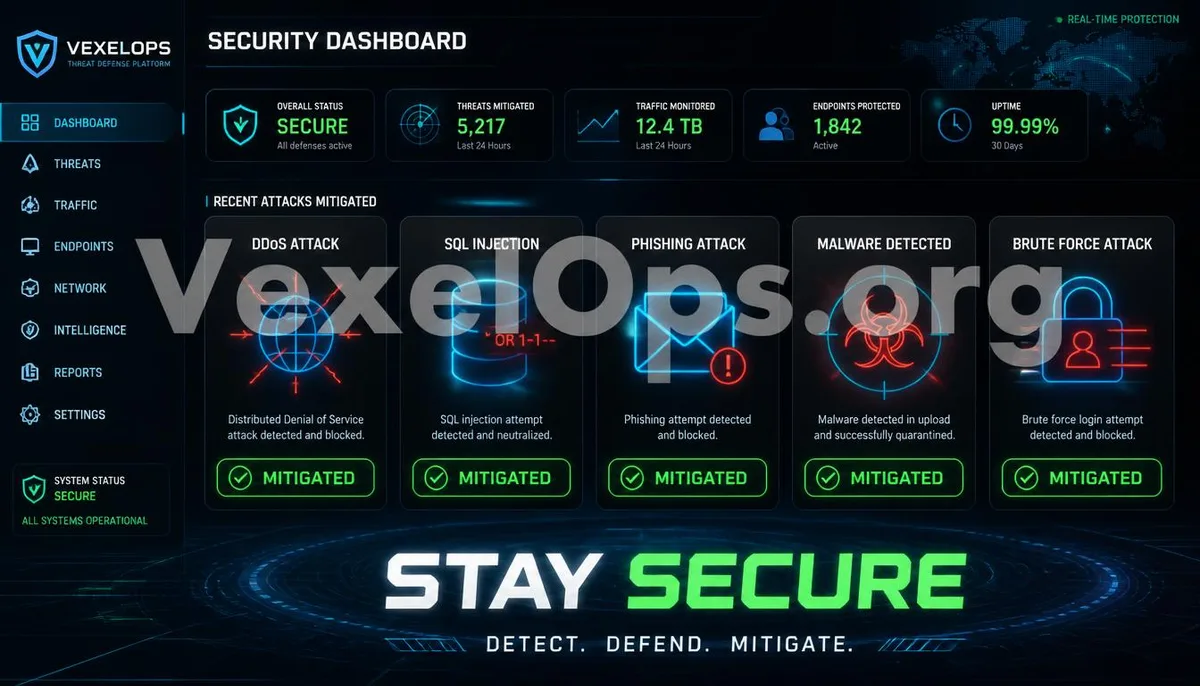
In response to complex cyber attacks or when suspecting system intrusions, VexelOps can assist with in-depth cybersecurity audits and penetration testing, identifying hidden backdoors within the system while providing targeted protection optimization solutions.
Future Cybersecurity Outlook and Enhanced Personal Awareness
The future of the internet will place a greater emphasis on a zero-trust architecture, where all access requests must be verified, regardless of whether they originate from inside or outside the network. This is not just a technological upgrade but a shift in security mindset. Staying updated with new technologies and remaining vigilant against any anomalous system alerts will empower you with greater control in the digital world.
Frequently Asked Questions About Cyber Attack Methods and Security Protection
Why do I still get hacked even though I have antivirus software installed?
Antivirus software primarily intercepts known virus signatures but has limited capability against social engineering, phishing sites, or zero-day exploits. Hackers often exploit system misconfigurations or human errors to bypass defenses. Therefore, cybersecurity protection needs to combine system updates, strong password policies, and a heightened security awareness, rather than relying solely on a single software.
If my company suffers a ransomware attack, should I pay the ransom?
Most cybersecurity experts and law enforcement agencies advise against paying the ransom. Paying the ransom does not guarantee that the files will be recovered and will encourage hackers to continue their attacks. The correct response is to immediately isolate the infected systems and attempt to restore data from offline backups. In such crisis moments, VexelOps's emergency response team can assist with path analysis and damage assessment, seeking possible technical decryption solutions to minimize losses.
What is a zero-trust architecture, and what does it mean for the average user?
The core principle of a zero-trust architecture is to trust no one and always verify. For the average user, this means that when logging into any services, the system will require multi-factor verification and dynamically adjust permissions based on your login environment. While it adds a small step to operations, it significantly enhances account security. Embracing this security trend is the best practice for protecting personal digital privacy.
One Key Takeaway: While cyber attacks are advancing, utilizing two-step verification and regular backups can effectively thwart most threats. Staying vigilant and employing advanced defense technologies is crucial for safeguarding digital sovereignty.