

Digital Shadows Behind the Convenience of Smart Homes
When you walk into your home and the lights automatically turn on and the smart speaker plays your favorite music, this seemingly warm scene is, on a technical level, a vast and fragile network of data exchange. Every connected smart device is a potential entry point; hackers don’t need to crack your computer password but only need to find that forgotten smart outlet in the corner with outdated firmware to tear open a gap in your internal network. Such infiltrations are often silent — you might be resting on the couch without noticing that the robotic vacuum's camera is quietly turning or that the smart speaker is capturing every private conversation. The security of IoT devices is often overshadowed by their functionality. Many manufacturers, in an effort to cut costs, use low-security communication protocols and hardcoded passwords. These devices are like rooms without locks, scattered throughout your digital life. Hackers can quickly identify all the connected devices in your home using automated scanning tools and precisely target known vulnerabilities.
- Weak password exploitation: Many IoT devices still use the manufacturer's default credentials, becoming the primary pathway for intrusion.
- Unencrypted communication pathways: Some devices lack end-to-end encryption when transmitting data, leaving privacy information exposed on the internal network.
- Lack of firmware updates: Many users never update the systems after purchasing devices, leaving known security vulnerabilities exposed for extended periods.
Vulnerabilities and Breach Paths in the Underlying Protocols of IoT Devices
The communication of smart devices typically relies on Zigbee, Z-Wave, or common Wi-Fi protocols. Hackers can exploit handshake vulnerabilities in the protocols to masquerade as legitimate control terminals and forcibly take over device operations. For instance, through analyzing the protocols of smart light bulbs, attackers can trigger massive power fluctuations or, from there, penetrate connected phones or computers on the same router. This lateral movement across devices is one of the most threatening technical tactics in modern IoT attacks. VexelOps can assist users in conducting comprehensive IoT security audits. We utilize professional technical means to check the connection status of all connected devices in your home, identifying high-risk backdoors and abnormal data transmission paths, building a solid digital barrier for your home security.
The Truth Behind Voice Monitoring Technology in Smart Speakers and Appliances
The wake mechanism of smart speakers is another major privacy concern. While manufacturers claim that recording starts only after hearing the wake word, hackers can modify the device’s voice recognition permissions to put the speaker into continuous listening mode. The captured environmental audio is compressed and encrypted before being sent to remote servers, becoming material to analyze your lifestyle habits or even steal sensitive information. This form of monitoring is extremely covert since the devices appear to be functioning normally. Moreover, smart appliances with camera capabilities, such as smart refrigerators or pet monitors, also often become tools for digital snooping. Attackers can hijack the cloud account session to sync and view your home scenes without triggering any alarms. Maintaining vigilance over the operational status of these devices and regularly checking the login activity logs of your account are essential practices to protect home privacy.
Establishing a Comprehensive Digital Defense Line for Smart Homes
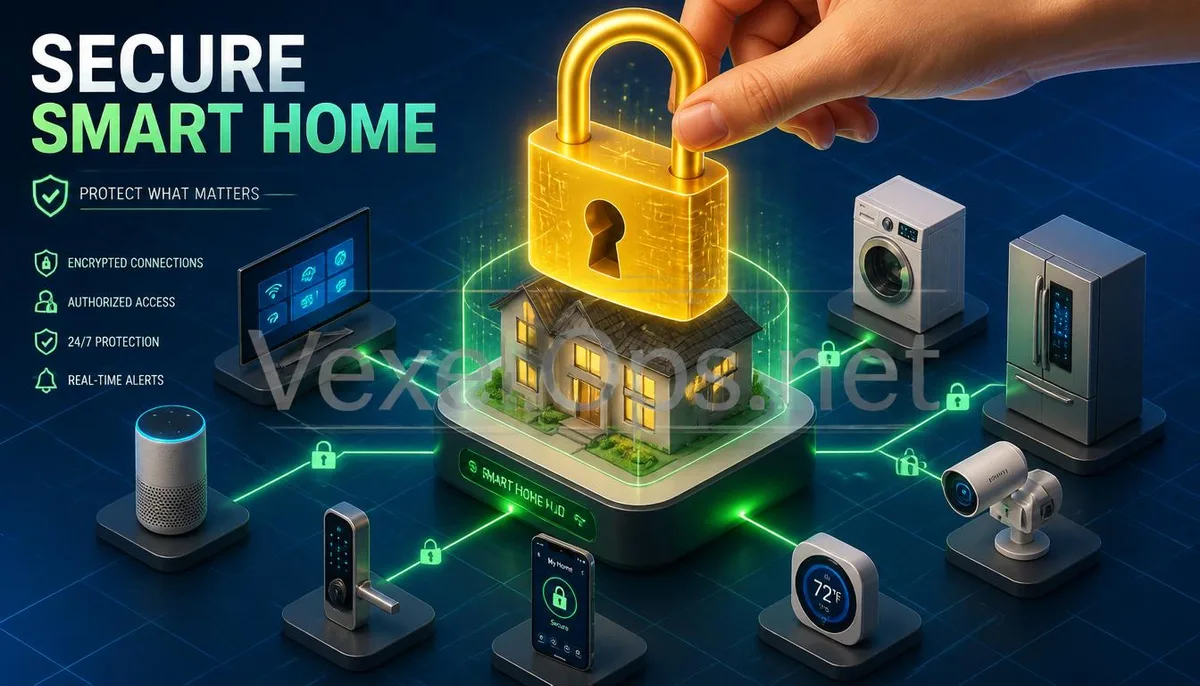
Protecting the security of smart homes needs to start from the root of the network architecture. Placing all smart devices on a separate guest network can effectively prevent a single device’s breach from impacting the data security of the main network. This is akin to establishing individual firebreaks at home; even if a specific light bulb is compromised, hackers cannot access your personal computer or storage devices.
- Enable strong authentication: Activate two-step verification for all smart home cloud accounts to block intrusions based on password leakage.
- Physical shutdown and shielding: For cameras without physical privacy switches, manually cover the lens or disconnect the power when not in use.
- Disable unnecessary cloud features: If devices support local control, remote cloud access should be turned off to reduce exposure to internet risks.
With proactive technical means and defensive mindsets, you can enjoy the convenience brought by smart technology while maintaining absolute security. The advancement of technology should enhance quality of life, not sacrifice privacy. By mastering the correct protective knowledge, your home will always be the safest and most private digital harbor.
Common Questions About Smart Home Device Surveillance
Why does my smart speaker light up suddenly when no one is speaking?
This might be because the speaker misinterprets a wake word in the ambient sound, but it could also be triggered by remote commands. Hackers can use specific audio signals or network packets to forcibly activate the speaker's recording function. If you find this phenomenon happening frequently, it's advisable to check the voice record in the app to see if there are any suspicious recording snippets, and immediately update the device firmware or reset the security settings.
Can simple devices like smart light bulbs or outlets be hacked?
Yes. Although these devices are simple in function, they have complete network protocol stacks. Hackers typically target these simple devices not to control the light but to use them as a stepping stone into your home network. Once they gain control of a light bulb, attackers can initiate internal scans looking for computers or storage devices with weaker defenses. Therefore, any connected device should be viewed as a potential security risk.
How can I determine if my smart devices are transmitting private data externally?
The most professional method is to observe the upload traffic of each device through your router's traffic management interface. If a simple smart outlet generates several megabytes of upload traffic in the middle of the night, this is clearly abnormal behavior. Additionally, you can check the destination IP of the device connections; if you find connections to unknown overseas servers, you should immediately disconnect that device from the network and seek professional cybersecurity audit assistance.
One Key Takeaway: The core of protecting smart home devices from hacking lies in network isolation and minimizing permissions. By establishing a separate guest network, regularly updating firmware, and utilizing professional cybersecurity audits, you can effectively block IoT surveillance and protect the absolute privacy of home life.