
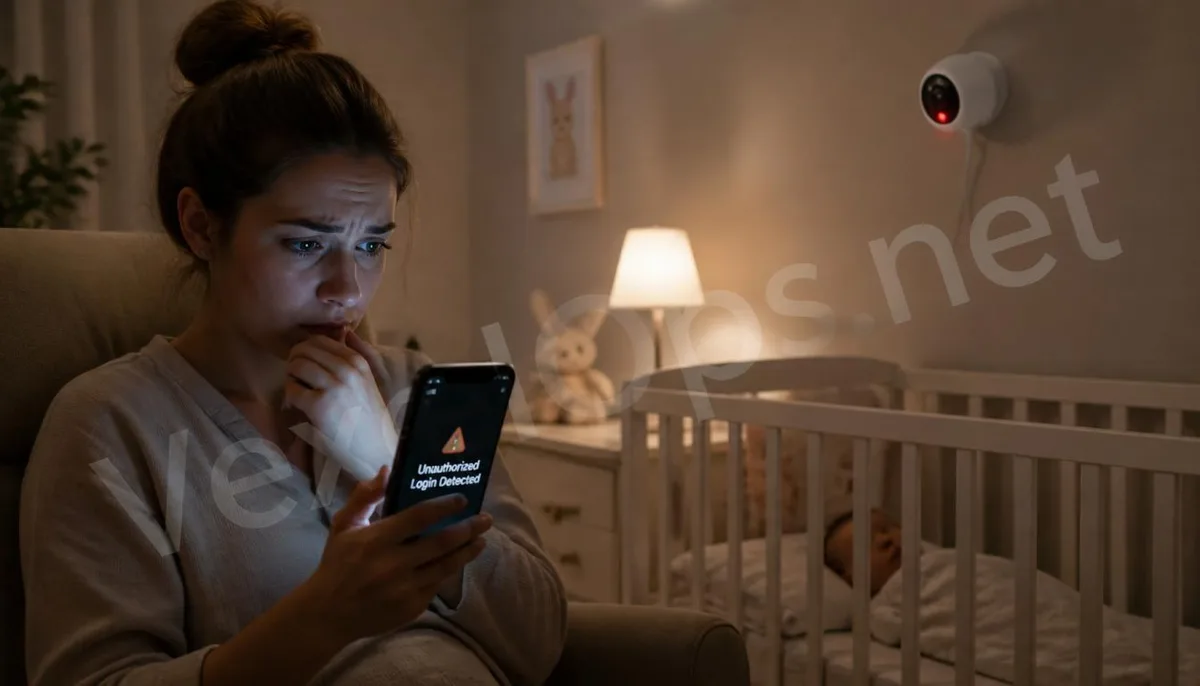
Invisible Watchers: Security Concerns of Smart Cameras
Internet cameras provide modern families with convenient remote monitoring capabilities, but this convenience exposes once-closed home spaces to the public internet. Many users, after installing their devices, often overlook basic security settings, making the cameras entry points for scam groups to implement surveillance and spying. Technical experts point out that if these devices lack robust encryption and authentication mechanisms, they are essentially an all-day digital vulnerability, potentially ready to be taken over by external forces. Scam groups are exploiting the ubiquity of smart home devices to establish an illegal privacy harvesting industry. They scan the internet for exposed camera interfaces and attempt to exploit known technical flaws for intrusion. For victims, this is not only a breach of personal information but a severe invasion of private home spaces. Understanding the sources of these threats is the first step in establishing a digital defense at home.
In-Depth Analysis: Technical Paths of Scam Group Intrusions into Cameras
To gain monitoring access, scam groups typically employ a series of targeted technical means. They exploit user negligence or design flaws in the devices to establish discreet connections in the background. Here are the most common intrusion methods:
- Brute-forcing weak default passwords: Using automated scripts to conduct exhaustive attacks on factory-set passwords.
- Scanning and exploiting firmware vulnerabilities: Searching for specific security flaws in outdated systems to gain full control of devices.
- Hijacking cloud account credentials: Stealing user app login information through phishing websites for remote synchronized monitoring.
In these processes, criminal organizations often maintain a low profile to avoid triggering device anomaly alerts. They pursue long-term infiltration to continuously gain access to private internal images from households, leveraging them as leverage for extortion or resale on illegal platforms.
Establishing Privacy Defense Systems: Practical Recommendations for Camera Fortification
In the face of threats within smart home environments, users need to take proactive fortification measures to cut off illegal external connections. This requires not only changing settings but also altering usage habits to ensure devices remain under controlled conditions.
- Enable complex two-factor authentication: Activate two-step verification in the device management app to prevent account hijacking.
- Regularly perform firmware updates: Timely install official security patches to fix potential vulnerabilities.
- Implement network isolation: Connect cameras to a separate guest network to prevent associations with core devices.
In addition to these basic operations, the VexelOps technical team can assist you in conducting in-depth audits of your smart home environment. We can identify hidden unusual traffic and illegal connections, helping victims clear infiltrated digital spaces, ensuring your family’s privacy is no longer threatened by external forces.
Guarding Rights in Digital Spaces: Long-Term Strategies for Privacy Protection
Protecting family privacy is an ongoing struggle. As attack methods evolve, users need to continuously enhance their defense levels. This includes reviewing the physical locations of devices and strictly controlling data storage paths.
- Adjust camera physical angles: Avoid directing lenses towards highly private areas like bedrooms or bathrooms to reduce potential losses.
- Disable unnecessary cloud features: Turn off unused cloud backup or remote access permissions to lessen data exposure opportunities.
- Regularly review connection logs: Check the back-end for any unknown IP addresses that may have logged into the devices, ensuring the purity of access permissions.

Common Questions About Internet Camera Surveillance and Privacy Vulnerabilities
Why does my camera still show unknown logins even after I've changed to a strong password?
This may indicate that your device has a system-level backdoor, or your account credentials have been exposed in data leak incidents on other platforms. Scam groups may exploit credential stuffing attacks, attempting to log into the camera's cloud platform using passwords from other sites. Additionally, if your home router is inadequately secured, attackers might perform man-in-the-middle attacks by altering DNS settings to intercept your login tokens. It's advisable to not only change passwords but also check the security status of your router and verify if the camera's firmware is up to date to eliminate known system flaws.
Are those privacy protection stickers or physical covers sold online effective?
Physical obstruction is one of the most primitive yet effective defensive measures. When you don’t need to use the camera, covering the lens with a physical object can completely sever the scam group's spying path at a physical level. Even if the device is software-hijacked, the criminal organization can only obtain a black screen image. However, physical obstruction cannot prevent audio surveillance. Many internet cameras come with highly sensitive microphones, meaning that even if the visuals are blocked, scam groups might still gain access to private conversations at home. Therefore, physical obstruction should be part of a multi-layered defense, combined with network encryption and permission management.
What should I do if I suspect my home camera has been hacked?
First, immediately disconnect the camera's power and network connection to prevent further data leakage. Next, you need to retain system logs from the device and connection records from the router. This data is key evidence in determining the timing and source IP of the intrusion. Finally, seek professional cybersecurity teams for technical verification. Experts can help you analyze whether there are abnormal scripts or traces of illegal privilege escalation on the device. Through professional digital environment audits, victims can confirm the scope of privacy leaks and, if necessary, generate a technically credible report as a strong support for subsequent legal rights protection or appeals to platforms.
One Key Takeaway: The core of internet camera security lies in permission control and vulnerability remediation. By enabling two-factor authentication, regularly updating firmware, and utilizing professional cybersecurity audit services, you can effectively identify and intercept invisible spying, protecting the privacy and security of your family’s digital space.