
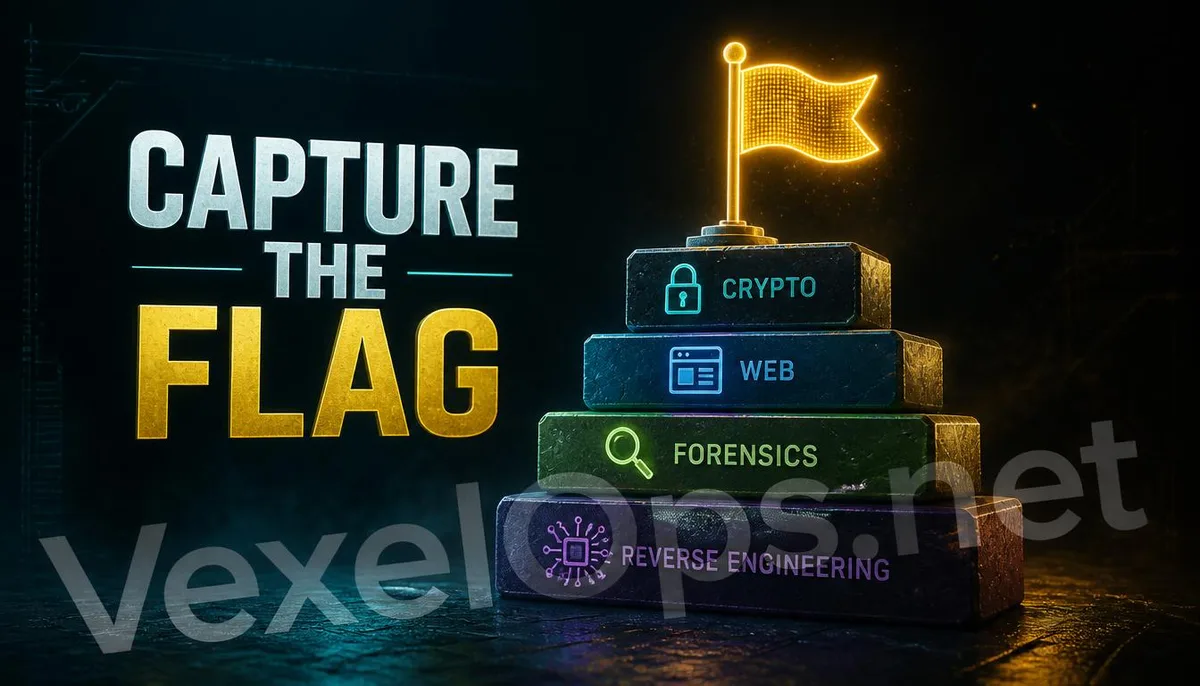
A Legitimate Competition Where You Can Hack Freely
CTF stands for Capture The Flag. Although the term might sound like an outdoor activity, its actual content is a cybersecurity technical competition. Participants are tasked with finding a hidden string in a deliberately designed environment by using various cybersecurity techniques. This string is called a "flag," and submitting it to the competition system earns points. The cleverness of this mechanism lies in its transformation of a potentially dangerous activity, requiring authorization to conduct penetration tests, into a fully legal competition environment that is even encouraged. All attack and defense targets are practice fields specially set up by the organizers, with no real systems impacted, making CTF the most popular route for skills practice and talent discovery in the cybersecurity community.
What Types of Questions Does CTF Primarily Examine?
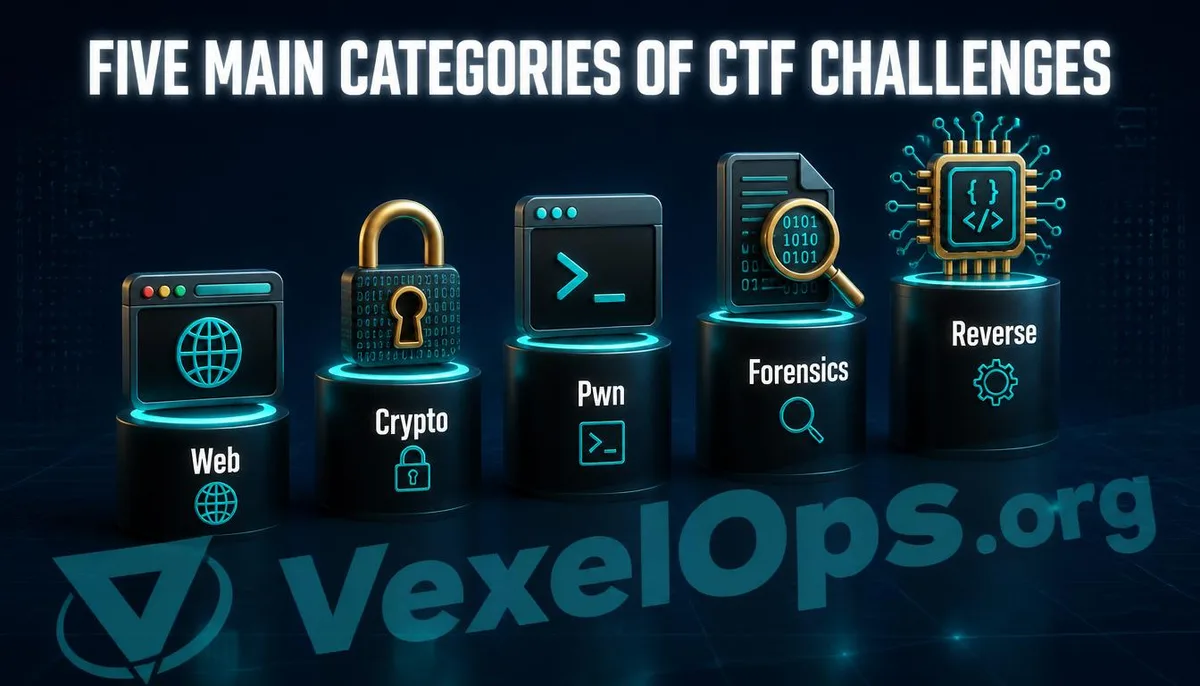
CTF questions are usually divided into several major categories, each corresponding to different areas of cybersecurity. Web questions assess the ability to find vulnerabilities in web applications, such as identifying logical flaws or input validation issues in website code. Crypto questions revolve around cryptography, potentially requiring participants to decrypt a message protected by a weak encryption algorithm. Pwn questions belong to the more advanced domain of binary exploitation, requiring an understanding of program memory operations. Forensics questions resemble detective work, digging up hidden clues from suspicious files or packet logs. Reverse engineering questions require analyzing compiled programs to deduce their original logic design. Different competitions will generate questions according to these categories, allowing participants to choose challenges based on their strengths or interests, without needing to excel in every category to compete. How much prize money is available in CTF competitions? Cybersecurity beginners can also earn prizes in such competitions.
How Can Complete Beginners Get Started?
CTF may seem to have a high barrier to entry, but there are quite comprehensive, beginner-friendly resources available to gradually build skills. The first step can involve starting with online practice platforms, which organize past competition questions into regularly accessible practice levels, often with difficulty ratings, allowing beginners to familiarize themselves with problem-solving logic without the pressure of real competition time. The second step is to find detailed tutorial articles or videos documenting the problem-solving process. These resources are often referred to as "write-ups," where authors record how they reasoned step-by-step to find the flag. Reading others' thought processes can help establish a problem-solving mindset faster than blindly exploring. The third step is to attempt joining official competitions; most large CTF competitions allow individual or team participation. Even if no questions can be solved, observing when top performers solve which problems on the leaderboard is invaluable for learning. Official or participant-released write-ups are usually available after the competition for reference.
Common Questions Users Ask About CTF Competitions
Is it embarrassing if I can't solve questions in a CTF competition?
Not at all; this is something almost every participant experiences at the beginning. The difficulty of CTF questions is designed to be broad, ranging from beginner problems that can be solved in minutes to high-difficulty questions that might take hours or even remain unsolved throughout the entire competition. Even experienced cybersecurity researchers may hit a wall when faced with unfamiliar question categories. The focus of the competition is often more on the learning process of problem-solving and the accumulation of technical skills than on rankings at the end; many who remain active in this field started from being unable to solve any problems.
Does participating in CTF help in finding cybersecurity-related jobs?
Yes, to a certain extent. Many companies and recruiting organizations in the cybersecurity field consider CTF achievements as one measure of technical ability, since CTF questions often require applying techniques that are encountered in practical work. Regularly participating in CTFs and accumulating problem-solving experience can, in some way, provide a verifiable demonstration of practical skills, supplemental to a resume. However, it's essential to understand that CTF results are generally only one part of the evaluation process and cannot fully replace formal educational background or work experience, making them more suitable as additional positive indicators.
Besides CTF, are there other similar legitimate practice channels?
Yes, besides CTF competitions, there are also Bug Bounty platforms mentioned earlier that allow researchers to find vulnerabilities in real but authorized environments for rewards. Additionally, some online security learning platforms offer subscription-based progressive learning modules, allowing learners to accumulate skills at their own pace. These channels cater to different stages of learners, with CTF being more suitable for foundational skills establishment and verification, while Bug Bounty offers more experience in real corporate environments.
One Key Takeaway: CTF (Capture The Flag) competitions are the most popular legal training grounds in the cybersecurity community. By solving challenges, one can accumulate technical skills. Beginners can start with online practice platforms and write-up resources without needing a deep technical background from the beginning.