
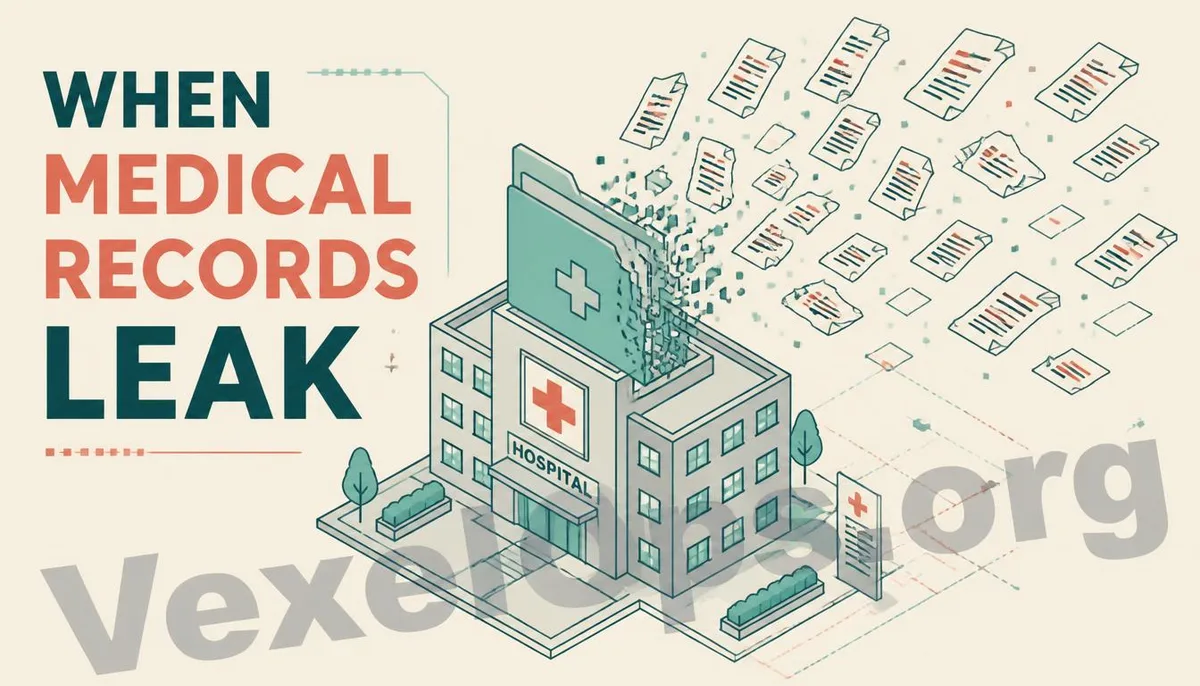
A Data Breach Affecting Millions
Recently, a globally recognized medical technology company confirmed a data breach that impacted the personal privacy of up to 3.8 million patients worldwide. The compromised data included names, birth dates, contact information, as well as sensitive medical information such as medical records, diagnosis results, and treatment plans. At first glance, this kind of news seems to pertain to corporate-level cybersecurity incidents, somewhat distanced from the daily lives of ordinary readers. However, the issues reflected by such events are closely related to everyone's data security. The news of the breach quickly surfaced on cybercrime forums, leading to offers to sell the stolen data, which is also one reason these incidents spark ongoing discussion. Once data leaks occur, victims often find it difficult to ascertain the exact purposes for which their data has been used.
Why Medical Data Holds Special Market Value
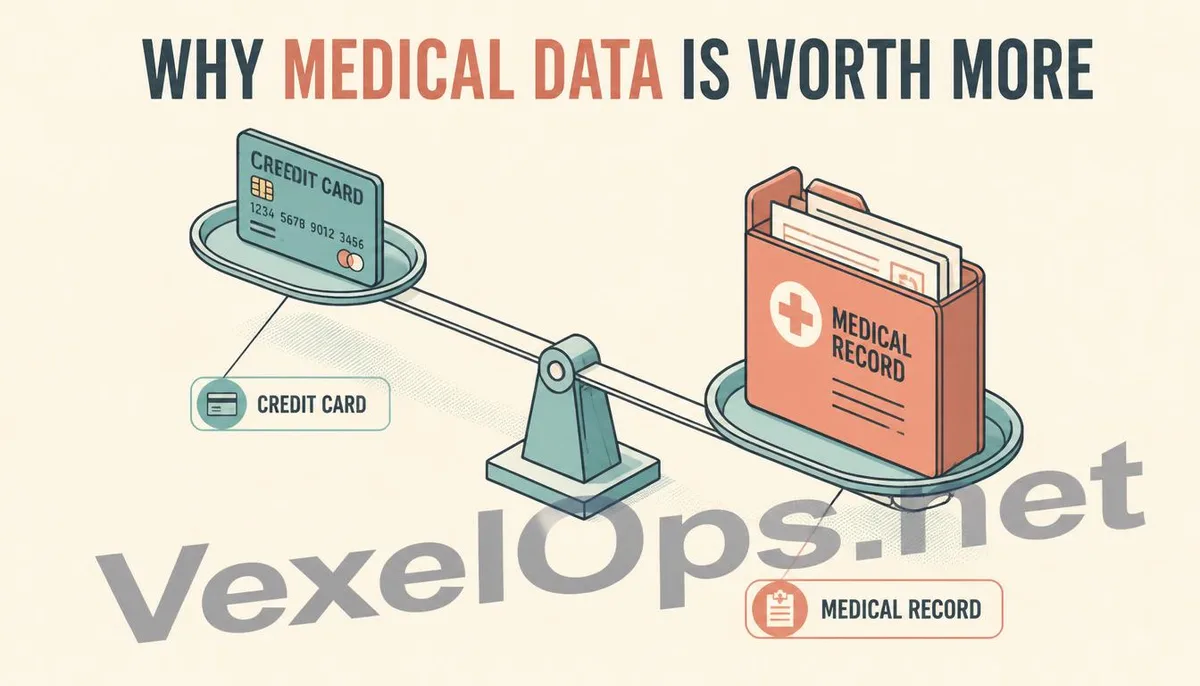
Most people, upon hearing about a data breach, instinctively think about the risk of credit card numbers being stolen. However, in the underground data trading market, a complete medical record often holds more value than simply a credit card number for several reasons. When a credit card number is misused, banks and card issuers typically detect abnormal transactions within a short timeframe and can freeze the card quickly to stop losses. Medical data, on the other hand, is different; a complete medical history not only includes personal identifying information but also insurance details, medication records, and diagnostic history. This information can be used to file fraudulent medical claims, forge prescriptions, or conduct more targeted scams, and these anomalies often take longer to discover. Additionally, the personal identifying details contained in medical data are usually more complete and harder to change post-breach. Basic details such as names and birth dates, once leaked, cannot be modified as easily as a password, thus making medical data regarded as having a higher long-term utility in black market transactions.
How Such Incidents Occur
Data breaches in large organizations are typically not caused by a single factor, but rather by multiple lapses occurring simultaneously. Common causes include weak employee account passwords, failure to fully implement multi-factor authentication, known but unpatched system vulnerabilities, or employees inadvertently disclosing login credentials due to phishing attacks. It is important to note that the hacking groups that lead these large-scale data thefts are mostly not nation-state hackers targeting a single objective for prolonged infiltration, but rather opportunistic criminal gangs seeking to exploit relatively weak defenses of large organizations. This means that a company's size does not necessarily equate to robust cybersecurity; there is no inherent positive correlation between the two.
What to Do if You Suspect Your Data Has Been Affected
In the face of such large-scale data breaches, there are limited proactive measures that general users can take, but there are still several practical directions to consider.
- Pay attention to whether the organization has issued a formal notification. Most local regulations require companies to inform affected users once a data breach is confirmed. Upon receiving such a notification, carefully review the
- Immediately change potentially compromised passwords to new ones that have not been used on other platforms, and enable two-factor authentication.
- Be aware of any suspicious emails or text messages impersonating the organization in question. After a data breach, there are often follow-up phishing attempts targeting victims, such as fake customer service requests for identity
If you are unsure whether your data appeared in any recent data breaches or if you received a suspicious notification and do not know how to determine its validity, VexelOps can also provide assistance in this area.
Common Questions Users Ask About Data Breaches
I am not a customer of this company; why should I care about this news?
Even if you are not a customer of the specific affected organization, understanding the causes and subsequent impacts of such events has real significance. Most people use services from more than one or two companies; as long as a platform stores personal data within an account system, it theoretically possesses similar breach risks. By staying informed about such news events, you can review your other commonly used services for risk factors, such as repetitive passwords or unactivated two-factor authentication, and reinforcing your security proactively is more effective than remedial efforts after the fact.
What follow-up actions do affected companies typically undergo after a data breach?
Most data protection laws in various regions specify clear obligations for companies regarding notification and follow-up actions post-data breach. Companies usually must report to regulatory authorities and notify affected users within a certain timeframe, and in severe cases, they may face fines or legal repercussions. In addition to legal responsibilities, companies must also manage the long-term impact on user trust, notably in industries like healthcare and finance that heavily rely on trust. The damage to brand reputation from a significant breach event is often more difficult to repair in the short term than the immediate financial penalties.
How frequently do such news events occur? Are they becoming more common?
Recent observations in the cybersecurity industry indicate that incidents involving large organizations experiencing data breaches have indeed increased over the years. This correlates to the rising levels of digitalization in society, continued growth in the amount and variety of data companies store, and the evolving tactics of attackers, which include the integration of AI technology for more precise social engineering attacks. This indicates that for general users, developing a habit of regularly checking account security status and staying informed about relevant news will be a long-term necessity, not just a temporary response to a single incident.
One Key Takeaway: Medical data in the underground market is often valued higher than credit card numbers, as it is more complete and harder to change after the fact. In response to data breaches involving large institutions, users can take practical actions such as paying attention to official notifications, changing passwords, and being vigilant against subsequent phishing attempts.