
Scam Call Techniques are More Advanced Than Most People Think
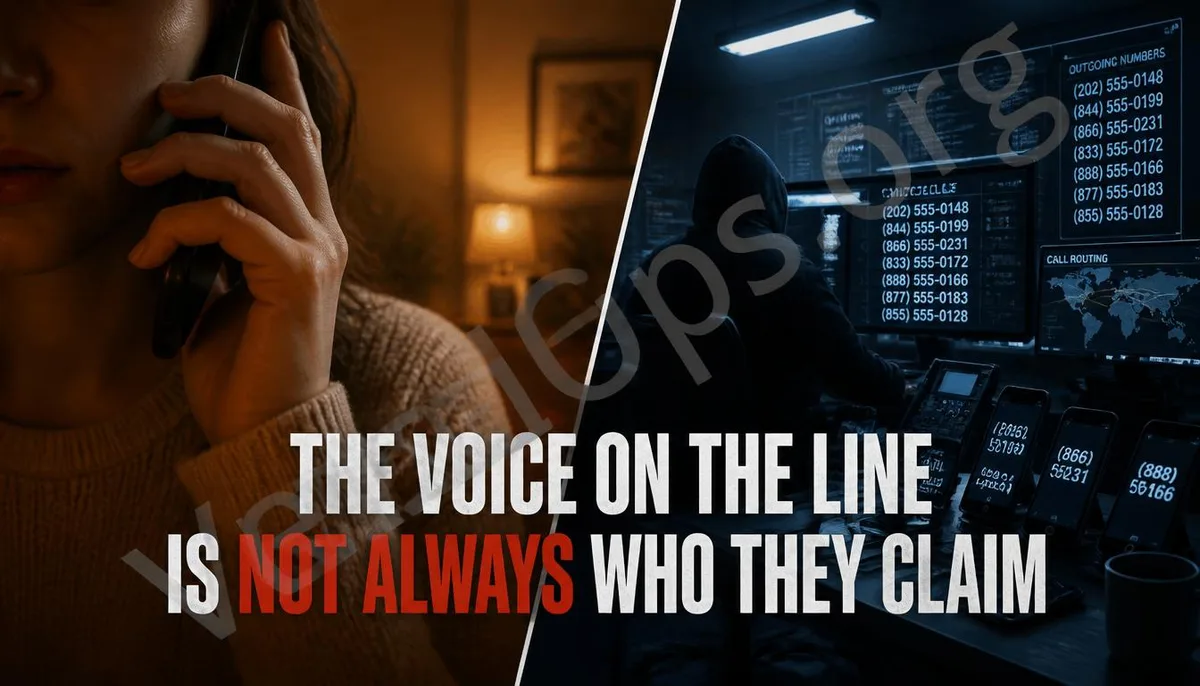
Before discussing how to identify suspicious calls, it’s important to understand the level of advancement in scam call techniques in recent years. Caller ID spoofing allows scammers to make your caller ID display any number they wish, including genuine bank customer service lines, telecom company numbers, or even official government agency numbers. This means that caller ID is no longer a fully trustworthy method for identity verification. A free call starting with 0800 may not necessarily be from official customer service. The proliferation of AI voice synthesis technology has greatly enhanced the sound quality and interaction fluidity of scam calls. Automated systems can adjust the conversation direction based on your responses, making the call feel more like a real person than in the past. Understanding this context is not to make you fearful of all calls but to inform you why relying solely on intuition and caller numbers is no longer sufficient.
Common Types of Scam Calls
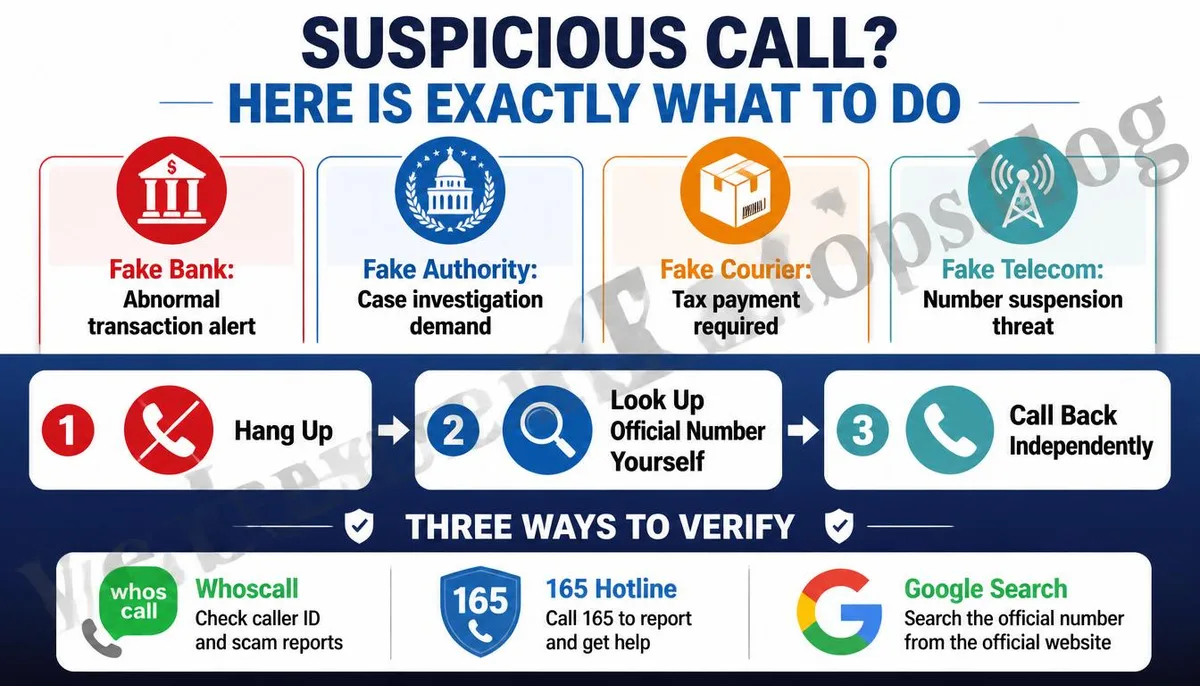
Impersonating Bank Customer Service The caller claims there are unusual transactions on your account, your credit card has been compromised, or your account’s security needs verification, asking you to provide account details, transfer money to a so-called safe account, or install remote assistance tools for help. Genuine bank customer service will never proactively call you to ask for your full account password, will not ask you to transfer money to another account, nor request that you install any software. If in doubt, hang up and call the customer service number on the back of your card to confirm. Impersonating Telecom Companies Claiming that your number is about to be deactivated, there are unpaid fees that need addressing, or your number is involved in illegal activity requiring cooperation in an investigation. Some scammers might even claim your number has been used by a criminal group, demanding you transfer money to a specified account to prove your innocence. Impersonating Government Agencies or Law Enforcement Claiming you are involved in money laundering, tax evasion, or other criminal activities, requesting you to cooperate in an investigation and
Specific Actions to Take If You Receive a Suspicious Call
Step 1: Do Not Provide Any Information Over the Phone No matter how urgent the caller’s request, do not provide any personal information, account details, or verification codes until you confirm their identity. Real official entities will not be impatient when you ask to verify their identity. Step 2: Hang Up and Call Back Using a Number You Find Hang up the call, then use the official website, the number on the back of your credit card, or your bill to find the official customer service number and call back to confirm. Do not use any number the caller provided, as scammers can design systems to make you call back to the same scam line. Step 3: Use Reverse Lookup for the Number In the US, you can reverse lookup unknown numbers via: - 165 Anti-Scam Network: Visit 165.npa.gov.tw to check if a number has been reported as a scam-related number. - Whoscall App: Developed by the Taiwanese company Gogolook, it integrates a comprehensive database of scam numbers reported by users, allowing you to see the trustworthiness assessment of a number before answering. - General Search Engines: Paste the number into Google search directly to see if others have reported this number
How to Use Whoscall and Number Lookup Tools Effectively
Whoscall is currently the most popular caller identification tool in Taiwan, available for free download on both iOS and Android. Once installed, it can display caller identity information in real-time during calls, including whether it has been flagged as a scam, solicitation, or marketing call by other users. In addition to real-time identification, Whoscall’s search feature allows you to manually input a number after receiving a suspicious call to check its background information and any reports from other users. It's important to note that the databases of such tools rely on user reports, so for very new scam numbers, there may not be enough reports yet, making a clean query result not a guarantee of safety.
What to Do If You Have Already Provided Information or Transferred Money
If you’ve already given account details or verification codes during the call, you need to take a few immediate actions. Immediately contact your bank, explain the situation, and ask them to confirm whether there have been any unusual transactions. Assess whether you need to freeze your account or change your account details. If credit card information was provided, you also need to contact the card issuer immediately. If you have already transferred money, contact your bank as soon as possible to start an emergency interception procedure. Although the success rate depends on whether the funds have been moved, the sooner you contact them, the better. Simultaneously, call the Anti-Scam Hotline at 165 to file a report, creating a formal incident record, which will assist in subsequent handling procedures. Keep a timeline of the entire incident, including the call time, what the caller said, and what information you provided. These details will be necessary for reporting and follow-up.
Frequently Asked Questions About Identifying Suspicious Calls
If Caller ID Shows an Official Number, Should I Still Be Suspicious?
Yes, and this is one of the most dangerous aspects of modern scam calls. Spoofing technology allows caller IDs to display any number, including the official customer service number saved in your phone contacts. The widespread nature of this technology has led many who relied on caller ID as a basis for trust to suffer losses. The truly reliable verification method is not to look at caller ID but to hang up in any uncertain situation and reconnect through official channels that you personally verify. This habit may initially seem excessive, but it is currently the most effective personal protective measure against caller ID spoofing.
If the Caller Knows My Name or the Last Four Digits of My ID Number, Does That Mean They Are Official?
Not necessarily. The leakage of personal information is quite common nowadays, and scam groups can obtain some personal information through various channels, including databases purchased from data breaches, publicly available information collected from social media, and information accumulated through other scam techniques. If the caller knows some of your personal information, it only means they have obtained that information; it does not imply they are an official entity. The identity verification process of legitimate institutions involves you contacting them and answering verification questions, rather than them calling you with your information.
Do Government Agencies Really Call Me? How Can I Differentiate Between Real and Fake?
Real government agencies may contact citizens by phone under certain circumstances, such as tax notifications or civil matters, but such contacts usually will not demand you take immediate financial action or provide sensitive information over the phone. Genuine government notifications will typically require you to act at relevant offices in person or through official mail and systems, rather than requiring immediate fund transfers or account information by phone. Any call claiming to be from the government that creates a sense of urgency demanding immediate transfer or the provision of complete personal information should be hung up immediately, and the correct contact method should be verified through official websites.
One Key Takeaway: The most effective response to suspicious calls is not to argue or demand that the other party prove their identity over the phone, but to hang up proactively and confirm through official contact methods that you found yourself. This simple habit cuts off the immediate pressure mechanism that fraudsters rely on the most.